

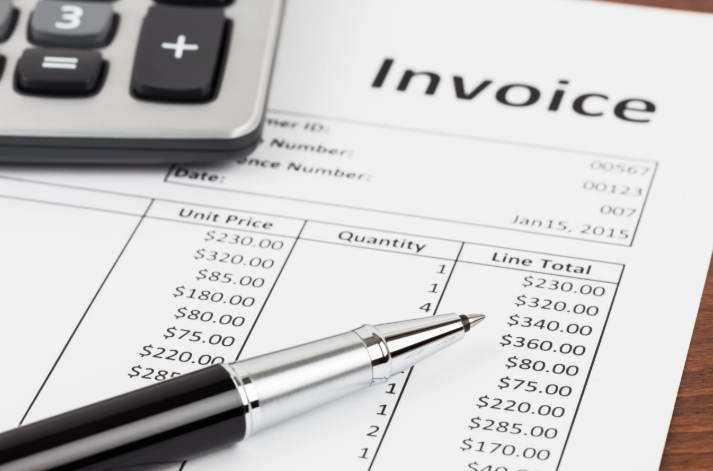
In many business transactions, especially those involving goods, both buyers and sellers benefit from clarity before anything is finalized. One document that plays a key role in creating that clarity is the pro forma invoice. Although it resembles a standard invoice, it serves a very different purpose. Rather than requesting payment, it acts as a preview of what the final transaction will look like.
A pro forma invoice is essentially a preliminary document issued by a seller to outline the details of a proposed sale. It gives the buyer a full picture of expected costs, delivery timelines, and other important conditions before the deal is completed. This early transparency helps both parties align their expectations and avoid confusion later.
What a Pro Forma Invoice Really Represents
Unlike a standard invoice, which formally requests payment, a pro forma invoice is more like a detailed quotation in document form. It confirms that both sides are on the same page regarding what is being sold, how much it will cost, and how it will be delivered.
This document typically includes product descriptions, quantities, estimated pricing, shipping details, and any additional charges that may apply. However, these figures are not always final. They are based on the best available estimates at the time of issuance, which means adjustments may occur before the final invoice is created.
Businesses often send this document either before shipping goods or alongside the shipment. Its main role is to communicate expectations rather than enforce payment.
Why Businesses Use Pro Forma Invoices
Companies rely on pro forma invoices for several practical reasons. First, they help eliminate misunderstandings. By clearly outlining all aspects of a transaction in advance, both parties can review and agree on the terms before any goods change hands.
Second, they simplify internal processes. Many organizations require approval before making purchases, and a pro forma invoice provides the necessary details for decision-makers to evaluate the transaction. This reduces delays and keeps operations running smoothly.
Third, they are particularly useful in international trade. When goods cross borders, customs authorities often require documentation to assess duties and taxes. A pro forma invoice provides enough information for officials to estimate these charges, even before the final invoice is issued.
Key Elements Found in a Pro Forma Invoice
While there is no strict format that every business must follow, most pro forma invoices include similar types of information. These details ensure that the buyer fully understands what to expect from the transaction.
Common components include the names and contact details of both the buyer and seller, a clear description of the goods or services, the quantity being purchased, and the agreed or estimated price. It also typically outlines shipping costs, handling fees, and expected delivery dates.
Additional notes may include payment terms, special instructions, or any conditions that could affect the final outcome of the transaction. Even though some figures may still be subject to change, the goal is to provide a comprehensive overview.
The Role of Pro Forma Invoices in International Trade
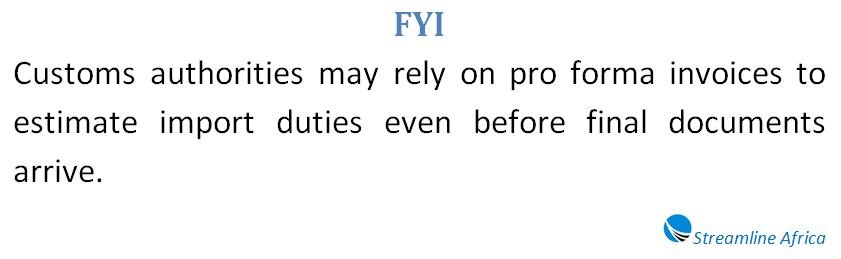
When goods are shipped across borders, documentation becomes even more critical. Customs authorities need enough information to determine applicable duties and taxes before allowing shipments to proceed.
Although a pro forma invoice is not always mandatory, it is frequently used in international transactions. It helps officials evaluate the shipment based on estimated values, descriptions, and quantities. This ensures that the process moves forward without unnecessary delays.
However, it is important to note that a pro forma invoice does not replace a commercial invoice. Once the transaction is finalized, the seller must issue a formal invoice that includes complete and accurate details. In many cases, this final document must be submitted within a specified timeframe after shipment.
Flexibility Across Different Transactions
One of the strengths of a pro forma invoice is its adaptability. Businesses across various industries use it in ways that suit their specific needs. Whether the transaction involves manufacturing, retail, or services, the document can be tailored to include relevant details.
For example, a supplier may include estimated shipping weights and logistics costs, while a service provider might outline project timelines and expected fees. The flexibility allows businesses to communicate clearly, even when certain aspects of the deal are not yet finalized.
This adaptability also makes it easier for buyers to review and negotiate terms. If something does not align with their expectations, they can request changes before committing to the transaction.
Pro Forma Invoice vs. Final Invoice
It is important to distinguish between a pro forma invoice and a final invoice. While they may look similar, their purposes are entirely different.
A pro forma invoice serves as a preview. It outlines what the transaction is expected to look like but does not require payment. On the other hand, a final invoice is an official document issued once the goods or services have been delivered. It represents a formal request for payment and includes confirmed figures.
In most cases, the final invoice closely matches the pro forma invoice. However, minor differences may occur due to changes in shipping costs, taxes, or other variables that were initially estimated.
A Simple Example in Practice
Consider a small bakery that specializes in custom cakes. A customer places an order for a large event and requests specific designs and ingredients. Before starting production, the bakery prepares a pro forma invoice outlining the expected cost, delivery date, and any additional charges.
The customer reviews the document and agrees to the terms. Once the cake is completed and delivered, the bakery issues a final invoice reflecting the confirmed amount. The customer then makes payment based on that official document.
This process ensures that both parties understand the agreement from the beginning, reducing the risk of disputes.
Can a Pro Forma Invoice Be Changed or Cancelled?
Since a pro forma invoice is not legally binding, it does not carry the same weight as a formal contract or invoice. It can be revised if circumstances change or if either party requests adjustments.
For instance, a buyer may negotiate pricing or delivery timelines after reviewing the document. Similarly, a seller may update estimates if costs fluctuate. This flexibility allows both sides to refine the agreement before finalizing it.
Final Thoughts
A pro forma invoice is a valuable tool for setting clear expectations in business transactions. By outlining key details in advance, it helps buyers and sellers communicate effectively and avoid misunderstandings.
Although it is not a demand for payment, it plays an essential role in planning, negotiation, and logistics—especially in international trade. When used properly, it creates a smoother path from initial agreement to final transaction, ensuring that both parties are well-informed every step of the way.
Frequently Asked Questions
Is a pro forma invoice the same as a final invoice?
No, it is not. A pro forma invoice is only an estimate or preview, while a final invoice is an official request for payment after goods or services are delivered.
Why do businesses use pro forma invoices?
They help prevent misunderstandings, streamline approvals, and ensure both buyer and seller agree on key details before completing a transaction.
Is a pro forma invoice legally binding?
No, it is not legally enforceable. It serves as a good-faith estimate and can be adjusted if needed before the final agreement.
What information is usually included?
It typically includes product descriptions, quantities, estimated prices, shipping costs, delivery timelines, and any additional charges.
Can prices on a pro forma invoice change?
Yes, since it is based on estimates, factors like shipping fees or taxes may change before the final invoice is issued.
How does it help in international trade?
It provides customs authorities with enough information to estimate duties and taxes, helping shipments move smoothly across borders.
Can buyers negotiate after receiving one?
Yes, buyers can review the terms and request changes to pricing, quantities, or delivery details before agreeing to proceed.
When is a pro forma invoice issued?
It is usually sent before goods are shipped or alongside delivery to confirm the terms of the transaction in advance.
What happens after a pro forma invoice?
Once the deal is finalized and goods are delivered, a formal invoice is issued for payment, often closely matching the pro forma details.