
From our vantage point as an investment advisory team working across frontier and emerging markets, Africa presents one of the most compelling yet underutilized industrial opportunities globally. At major ports such as Tema in Ghana or Mombasa in Kenya, the steady influx of imported goods underscores a structural imbalance—one that investors can no longer afford to ignore.
The continent continues to rely heavily on imports for products that could be competitively manufactured locally. This dependency has created a persistent outflow of capital while suppressing domestic industrial growth. For us, this is not merely a macroeconomic concern; it is a clear investment gap with scalable, long-term potential.
The Strategic Case for Local Manufacturing
In our advisory work, we frequently encounter investors seeking exposure to Africa’s growth story. Traditionally, this interest has been channeled into sectors such as telecommunications, extractives, and financial services. However, manufacturing remains significantly underrepresented in most portfolios.
We believe this is a misalignment.
Africa’s expanding consumer base, rising urbanization, and improving regional trade integration create a strong demand foundation for locally produced goods. Yet, the supply side remains constrained. This imbalance presents a classic investment opportunity: high demand, limited local competition, and clear inefficiencies that can be addressed through capital and expertise.
Learning from Market Inefficiencies
Several years ago, while advising a mid-sized trading firm operating between Asia and West Africa, we observed a recurring pattern. The firm was importing large volumes of construction materials—tiles, adhesives, and fittings—into markets like Lagos and Abidjan.
Despite strong demand, the business faced constant operational challenges: shipping delays, currency volatility, and fluctuating freight costs. These risks eroded margins and introduced uncertainty into what should have been a stable supply chain.
From an advisory standpoint, the conclusion was clear. If these products could be manufactured locally at competitive costs, many of these risks could be mitigated while unlocking additional value.
From Import Dependency to Industrial Investment
This realization has informed a broader shift in our investment strategy. Rather than focusing solely on trade-based businesses, we now actively evaluate opportunities that enable local production.
One model that has gained traction involves supporting platforms that simplify factory development for entrepreneurs. These platforms act as intermediaries, bridging the gap between technical complexity and market demand.
From an investor’s perspective, this approach is particularly attractive. It reduces execution risk by standardizing processes such as equipment sourcing, plant setup, and workforce training. At the same time, it enables scalability by replicating successful factory models across multiple markets.
De-Risking Manufacturing for First-Time Operators
A critical barrier to industrial investment in Africa has been the perceived risk associated with first-time manufacturers. Many entrepreneurs have strong market insights but lack the technical expertise required to establish and operate production facilities.
As advisors, we view this not as a deterrent, but as an opportunity to introduce structured solutions.
By investing in platforms that provide end-to-end support—ranging from feasibility assessments to operational training—we can significantly reduce failure rates. This not only improves returns but also builds confidence among stakeholders, including lenders and development finance institutions.
Identifying High-Impact Product Categories
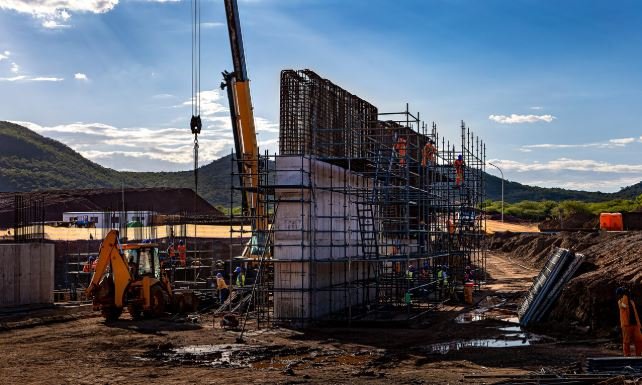
Our investment framework prioritizes sectors where import substitution is both feasible and commercially viable. These typically include:
- Construction materials, driven by rapid urban development
- Packaging solutions, fueled by growth in consumer goods
- Basic household products with consistent, high-volume demand
The key is not to attempt broad industrialization across all sectors simultaneously. Instead, we advocate for a focused approach that targets products with proven demand and clear cost advantages when produced locally.
The Economics Behind the Opportunity
From a financial standpoint, local manufacturing offers several advantages that are often underestimated:
Shorter supply chains reduce logistics costs and exposure to global disruptions. Currency risks are minimized when production and sales occur within the same market. Additionally, local production can benefit from government incentives aimed at promoting industrialization.
However, we emphasize that these advantages must translate into competitive pricing and quality. Investment decisions should be grounded in rigorous feasibility studies, ensuring that locally produced goods can compete effectively with imports.
Navigating Structural Challenges
No investment landscape is without its challenges, and Africa’s manufacturing sector is no exception. Infrastructure gaps—particularly in power and transportation—remain a key concern.
In our advisory role, we incorporate these factors into our risk assessments. For example, projects may require additional capital expenditure for backup power solutions or logistics optimization. While this increases upfront costs, it also creates opportunities for integrated investments in supporting infrastructure.
Regulatory environments also vary significantly across countries. Successful investors are those who engage with local partners and maintain flexibility in their operational strategies.
The Importance of Ecosystem Development
One of the most important insights we have gained is that manufacturing does not exist in isolation. It requires a supportive ecosystem, including reliable suppliers, skilled labor, and access to finance.
As such, our investment approach often extends beyond individual factories. We look for opportunities to build or support entire value chains, creating synergies that enhance overall efficiency and resilience.
This ecosystem perspective is particularly relevant in regions where industrial clusters are beginning to emerge.
Shifting Perceptions Around “Made in Africa”
An often-overlooked aspect of industrial investment is consumer perception. Historically, imported goods have been associated with higher quality, while locally produced items have faced skepticism.
Changing this narrative is essential for long-term success.
We advise portfolio companies to prioritize quality assurance and brand development from the outset. When consumers experience reliable, high-quality local products, perceptions begin to shift organically. Over time, this creates a virtuous cycle that supports further investment and growth.
A Long-Term Investment Horizon
It is important to recognize that manufacturing investments typically require a longer time horizon compared to other sectors. Returns may not be immediate, particularly during the initial setup phase.
However, the long-term benefits are substantial.
Once operational, manufacturing businesses can generate stable cash flows, benefit from economies of scale, and establish strong market positions. For patient capital, this represents an attractive risk-return profile.
The Role of Policy and Partnerships
Governments across Africa are increasingly recognizing the importance of industrialization. Initiatives aimed at improving infrastructure, streamlining regulations, and promoting regional trade are creating a more conducive environment for investment.
We encourage investors to align their strategies with these policy directions. Partnerships with public institutions and development organizations can also enhance project viability and access to financing.
Conclusion: Investing Where Value Is Created
From our perspective as investment advisors, the case for local manufacturing in Africa is both compelling and urgent. The continent’s reliance on imports is not just an economic challenge—it is a missed investment opportunity.
By deploying capital into scalable, well-structured manufacturing ventures, investors can capture value that is currently being exported. More importantly, they can contribute to the development of resilient, self-sustaining economies.
The transition from import dependency to local production will not happen overnight. It requires coordinated efforts, informed decision-making, and a willingness to embrace complexity. But for those prepared to take a long-term view, the rewards—both financial and developmental—are significant.
Africa’s next phase of growth will not be defined solely by what it consumes, but by what it produces. As advisors, we see this not just as a possibility, but as an inevitability—and one of the most promising investment frontiers of our time.
Key Highlights
Africa’s Import Dependence Is an Untapped Investment Opportunity
Africa’s heavy reliance on imported goods highlights a major gap investors can turn into scalable manufacturing ventures.
Local Production Reduces Risk and Retains Value
Producing within the continent minimizes currency volatility, logistics costs, and keeps profits circulating locally.
Manufacturing Is Still Underrepresented in Investment Portfolios
Many investors overlook manufacturing, yet it offers strong long-term returns backed by real demand.
Demand for Everyday Products Is Already Proven
High-volume goods like construction materials and packaging present low-risk entry points due to consistent demand.
Simplifying Factory Setup Unlocks New Entrepreneurs
“Factory-as-a-service” models reduce barriers, allowing more first-time manufacturers to succeed.
Infrastructure Challenges Can Become Investment Opportunities
Power, logistics, and supply gaps aren’t just risks—they create additional avenues for strategic investment.
Partnerships Are Critical for Success
Collaborating with local stakeholders helps navigate regulations, culture, and operational realities more effectively.
Quality Is Key to Changing Consumer Perception
Consistent, high-quality local products are essential to shift trust from imports to “Made in Africa.”
Industrial Growth Requires an Ecosystem Approach
Successful manufacturing depends on building entire value chains, not just standalone factories.
Patience Drives Stronger Returns
Manufacturing investments take time but reward patient investors with stability and long-term profitability.