
Seychelles is one of Africa’s smallest nations by population, yet it has built a reputation as one of the continent’s most prosperous island economies. Located in the western Indian Ocean, the archipelago combines political stability, a relatively high standard of living, and an economy driven by marine resources and international tourism. While its limited land area and dependence on imports present challenges, the country continues to attract investors seeking opportunities in hospitality, fisheries, financial services, and sustainable development. Businesses considering Seychelles should understand both the advantages offered by its investment-friendly policies and the structural constraints associated with operating in a small island economy.
Economic Landscape
Unlike many African economies that depend heavily on mining or large-scale agriculture, Seychelles has developed around its surrounding ocean. Marine resources play a central role in national income, employment, and exports, making the blue economy an essential pillar of economic development. Commercial fishing, seafood processing, marine conservation initiatives, and tourism collectively account for a significant share of economic activity.
Tourism remains the strongest contributor to national revenue. Visitors are attracted by the country’s white-sand beaches, luxury resorts, diving sites, and rich biodiversity. Following the severe disruption caused by the COVID-19 pandemic, the tourism industry demonstrated remarkable resilience, with visitor arrivals steadily recovering and supporting employment across multiple sectors.
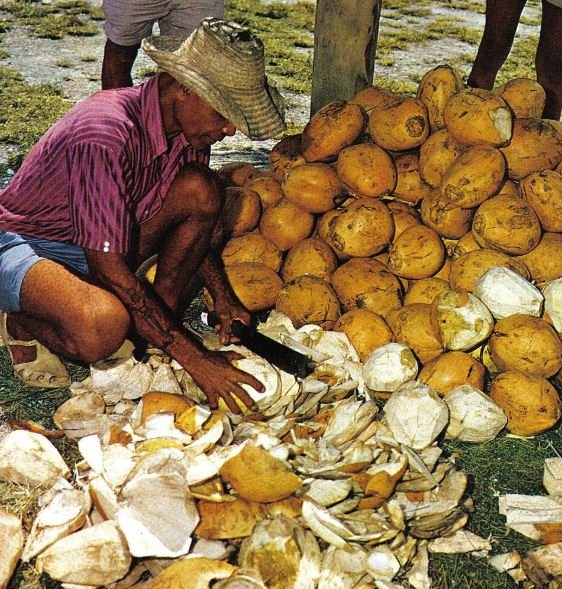
Beyond tourism and fisheries, Seychelles continues to maintain traditional industries such as coconut cultivation, vanilla production, and boat construction. Although these sectors contribute less than tourism, they preserve local heritage while supporting exports and small businesses.
Promising Investment Opportunities
The hospitality industry continues to present attractive opportunities for both domestic and international investors. Luxury hotels, boutique resorts, eco-lodges, restaurants, wellness facilities, and tourism support services benefit from the country’s enduring popularity among international travelers. Demand for sustainable tourism experiences is also increasing, creating opportunities for environmentally responsible investments.
The fisheries sector remains another major area for business expansion. Tuna fishing, seafood processing, cold storage facilities, and value-added seafood exports continue to attract investment. Seychelles has also gained international recognition for pioneering innovative financing through its blue economy initiatives, encouraging projects that balance economic growth with marine conservation.
Agriculture, while constrained by limited land availability, still offers niche opportunities. High-value crops such as vanilla, coconut products, tropical fruits, and specialty agricultural goods continue to serve domestic markets and selective export destinations. Businesses focused on organic farming and premium food products may find opportunities within these specialized markets.
Renewable energy also represents a growing area of interest. Given the country’s dependence on imported fuel, investments in solar energy, wind power, and energy-efficient infrastructure align with national priorities aimed at reducing energy costs and strengthening environmental sustainability.
Business Risks and Operational Challenges
Although Seychelles enjoys relative economic stability, investors should carefully assess several structural risks before entering the market.
Climate change poses perhaps the greatest long-term threat. Rising sea levels, coastal erosion, changing weather patterns, and stronger storms place many low-lying islands at considerable risk. Environmental experts have warned that significant portions of the archipelago could face severe impacts if global temperatures continue to rise. These environmental pressures influence infrastructure planning, insurance costs, and long-term investment decisions.
Economic concentration presents another challenge. Because tourism accounts for a large share of national income, external shocks such as pandemics, global recessions, geopolitical conflicts, or disruptions to international travel can quickly affect government revenue, employment, and business performance.
Import dependence also increases operational costs. Seychelles imports much of its food, fuel, machinery, construction materials, and manufactured goods. As a result, fluctuations in global shipping costs, exchange rates, or supply chain disruptions can significantly affect local businesses.
Drug trafficking and substance abuse have emerged as growing social concerns. Seychelles’ historical maritime trade routes have occasionally been exploited by criminal networks involved in narcotics trafficking. The resulting increase in domestic drug abuse creates social and public health challenges that require continued government attention.
Establishing a Business in Seychelles
One of Seychelles’ strongest advantages is its welcoming approach toward foreign investment. Overseas investors are generally permitted to establish wholly foreign-owned companies with relatively few ownership restrictions. Company registration procedures are straightforward compared with many jurisdictions, making market entry less burdensome.
The country is particularly well known for its International Business Company (IBC) framework. This corporate structure has historically attracted international entrepreneurs by offering simplified reporting obligations and administrative flexibility. Although international transparency standards have evolved in recent years, Seychelles continues to maintain a business environment designed to support legitimate international commerce.
Foreign nationals may also invest in real estate under specific regulatory conditions. Property purchases require government approval, and certain categories of land, particularly state-owned property, remain unavailable for private acquisition. Residential property transactions involving non-citizens are subject to applicable legal requirements and approval procedures.
Incentives for Investors
The Seychellois government actively encourages investment through a range of financial and administrative incentives. Depending on the nature of the investment, qualifying businesses may receive tax concessions, temporary tax exemptions, customs duty relief on imported equipment and construction materials, and faster processing of work permits for skilled expatriate employees.
These incentives aim to attract investment into sectors that promote employment, technology transfer, environmental sustainability, and long-term economic diversification.
Infrastructure and Market Considerations
Compared with many countries in the region, Seychelles benefits from relatively reliable infrastructure, modern telecommunications, and a stable financial system. Roads, airports, healthcare, and public services generally support commercial activity effectively.
Nevertheless, investors should recognize the limitations associated with operating in a small island nation. The domestic consumer market is limited by population size, while the country’s geographic isolation increases transportation costs and delivery times. Businesses that rely heavily on imported inputs or regional distribution networks must account for these logistical realities during planning.
Cultural Environment and Practical Considerations
Seychelles possesses a multicultural heritage shaped by African, French, British, and Asian influences. Seychellois Creole remains the most widely spoken language, while English and French are both used in government, education, and commercial activities. Although English is commonly encountered in business settings, local language preferences may still vary within different communities.
Visitors should also consider seasonal weather conditions when planning travel. The monsoon period, generally occurring between November and March, can bring stronger winds, heavy rainfall, and rough sea conditions that may affect marine transport, outdoor tourism, and water-based recreational activities. Careful scheduling and awareness of weather forecasts can help minimize disruptions during business or leisure visits.
FAQs about Investing in Seychelles
What drives the Seychelles economy?
Tourism and the blue economy are the country’s main economic engines. Fishing, marine services, hospitality, boat building, and seafood processing support jobs, exports, and government revenue.
Why is Seychelles attractive to foreign investors?
The country offers political stability, relatively strong infrastructure, flexible foreign ownership rules, and investment incentives such as tax concessions, duty exemptions, and faster work permit processing.
Which sector offers the strongest investment potential?
Tourism remains the leading opportunity. Investors can explore luxury resorts, eco-lodges, restaurants, wellness centres, water-based activities, and other services designed for international visitors.
What opportunities exist in the fishing industry?
Commercial fishing, tuna processing, cold storage, seafood exports, marine technology, and sustainable aquaculture provide opportunities for investors interested in the blue economy.
Can foreigners fully own businesses in Seychelles?
Foreign investors can generally establish fully owned companies with limited restrictions. However, certain sectors may require approval, licensing, or compliance with local investment regulations.
Can non-citizens purchase property in Seychelles?
Foreign nationals may buy certain properties, but government approval is required. State-owned land is unavailable, while residential property purchases may be subject to value thresholds and other conditions.
What are the main business risks?
Major risks include climate change, dependence on tourism, high import costs, a small domestic market, shipping delays, and exposure to global economic or travel disruptions.
Why is climate change a serious concern?
Many islands are low-lying and vulnerable to rising sea levels, coastal erosion, flooding, and extreme weather. These threats can affect tourism facilities, infrastructure, insurance costs, and long-term investment planning.
How does import dependence affect businesses?
Seychelles imports much of its fuel, food, machinery, construction materials, and consumer goods. Higher shipping costs or supply chain disruptions can therefore increase prices and reduce profit margins.
What should investors understand about local business culture?
Seychelles has a multicultural society influenced by African, French, British, and Asian traditions. English, French, and Seychellois Creole are used, while relationship-building and respect for local regulations remain important.