
Executive Overview
From our assessment, Sierra Leone represents a frontier investment market with considerable long-term potential supported by abundant natural resources, a strategic Atlantic coastline, and a steadily evolving democratic system. Although the country continues to address infrastructure deficits, governance reforms, and human capital constraints, meaningful progress in institutional rebuilding has strengthened investor confidence compared to the post-conflict period. For businesses with a long-term investment horizon, Sierra Leone offers opportunities across mining, agriculture, infrastructure, energy, tourism, and logistics, provided investments are supported by thorough due diligence and sound risk management.
Strategic Position in West Africa
Sierra Leone occupies a favorable location on the western coast of Africa, sharing borders with Guinea and Liberia while providing direct access to international shipping routes through the Atlantic Ocean. One of its greatest strategic assets is the natural harbor surrounding Freetown, widely regarded as one of the finest deep-water harbors in the world.
This geographic advantage enhances the country’s long-term prospects as a regional logistics and maritime services hub. As regional trade continues to expand under the African Continental Free Trade Area (AfCFTA), Sierra Leone is well positioned to strengthen its role in facilitating commerce across West Africa.
Read More: Senegal: Evaluating the Business Landscape, Investment Risks, and Growth Potential
Political Landscape and Institutional Development
Our analysis indicates that Sierra Leone has made measurable progress in strengthening democratic governance since the end of the civil war in 2002. Regular multiparty elections and continued institutional reforms have improved political stability, although governance challenges remain.
Government priorities continue to focus on improving public sector efficiency, expanding access to education and healthcare, reducing corruption, and creating employment opportunities for the country’s growing youth population. Investors should nevertheless recognize that policy implementation can vary across institutions, making regulatory engagement and local advisory support essential when establishing operations.
Economic Performance and Growth Drivers
Sierra Leone’s economy continues to rely primarily on agriculture, mining, and an expanding service sector. Agriculture remains the country’s largest employer, while mining contributes significantly to export earnings and government revenue.
The country’s substantial deposits of diamonds, rutile, iron ore, and bauxite continue to attract international interest. However, the government has increasingly emphasized responsible resource management and greater domestic value creation rather than reliance on raw commodity exports alone.
Economic diversification has become a central policy objective. Public and private investment is gradually expanding into manufacturing, financial services, telecommunications, transport, renewable energy, and digital infrastructure. Although economic growth remains vulnerable to fluctuations in global commodity prices, broader sectoral development is expected to improve resilience over the long term.
Priority Investment Opportunities
In our view, agribusiness represents one of Sierra Leone’s strongest long-term investment opportunities. Fertile agricultural land, favorable rainfall patterns, and increasing domestic demand create attractive prospects for commercial farming, food processing, storage facilities, irrigation systems, agricultural inputs, and export-oriented value chains.
Mining will remain a cornerstone of the economy, with opportunities extending beyond extraction into engineering services, logistics, equipment supply, environmental management, and mineral processing. Investors should carefully evaluate licensing frameworks, environmental standards, and community engagement strategies before entering the sector.
Infrastructure development offers equally significant potential. Demand for improved transport networks, electricity generation, housing, industrial parks, water infrastructure, and telecommunications continues to exceed current capacity. Public-private partnerships are expected to play an increasingly important role in closing these investment gaps.
Additional opportunities are emerging in financial technology, healthcare, education, renewable energy, fisheries, construction, hospitality, and business support services as urbanization and private sector activity continue to expand.
Human Capital and Labour Market
Sierra Leone’s youthful population provides an expanding labor force and an increasingly attractive consumer market. English serves as the official language, while Krio facilitates communication across ethnic groups and supports commercial interaction throughout the country.
Despite these advantages, workforce productivity remains constrained by skills shortages in technical, engineering, managerial, and vocational occupations. Companies entering the market should anticipate investing in employee development, technical training, leadership programs, and succession planning to build sustainable operations.
Businesses that prioritize workforce development often strengthen employee retention while building positive relationships with surrounding communities.
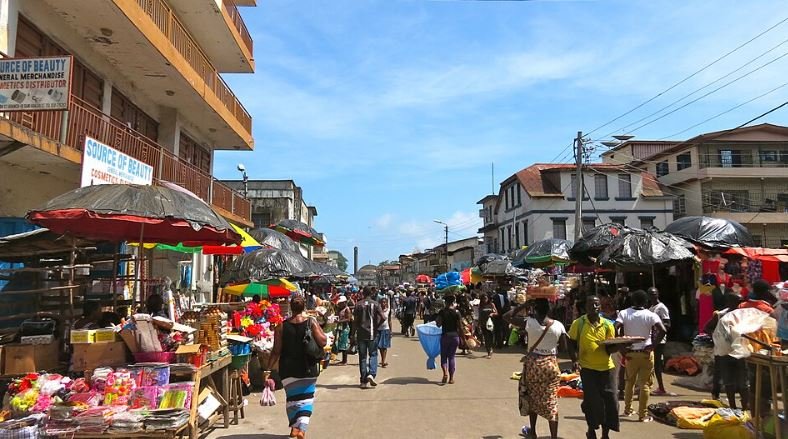
Infrastructure and Operating Environment
Although Sierra Leone has made steady progress in rebuilding infrastructure, operational constraints remain an important consideration for investors. Electricity supply, transport networks, logistics infrastructure, and digital connectivity continue to require substantial investment to meet growing business demand.
These challenges increase operating costs for many businesses, particularly those operating outside major urban centers. However, they also create commercial opportunities for investors specializing in infrastructure development, renewable energy, logistics, telecommunications, engineering, and construction.
Businesses should incorporate contingency planning into project design, including reliable backup power, diversified supply chains, and robust logistics management.
Trade and Regional Integration
Sierra Leone’s membership in the Economic Community of West African States (ECOWAS) enhances market access across the region, while participation in the African Continental Free Trade Area creates additional opportunities for export-oriented businesses.
The country’s Atlantic ports, combined with ongoing improvements in customs administration and transport infrastructure, position Sierra Leone to strengthen its role within regional supply chains. Continued investment in trade facilitation could significantly improve export competitiveness over the coming decade.

Tourism and Emerging Service Industries
Tourism remains underdeveloped relative to Sierra Leone’s natural and cultural assets. The country’s pristine beaches, protected forests, wildlife reserves, and historical landmarks—including River No.2 Beach, Tiwai Island Wildlife Sanctuary, Bunce Island, and the Tacugama Chimpanzee Sanctuary—provide a strong foundation for sustainable tourism development.
Investment opportunities exist across hospitality, eco-tourism, transportation, conference facilities, destination management, and conservation-based enterprises. As supporting infrastructure improves, tourism is expected to become a more meaningful contributor to economic diversification.
Risk Assessment
While Sierra Leone offers attractive long-term investment potential, our assessment identifies several risks requiring careful management. Infrastructure limitations, administrative inefficiencies, regulatory uncertainty, limited access to finance, commodity price volatility, and climate-related vulnerabilities continue to influence the investment environment.
Comprehensive legal due diligence, strong local partnerships, proactive stakeholder engagement, and effective environmental and social governance practices are essential for mitigating operational risk. Investors should also maintain flexibility to adapt to regulatory and market developments.
Investment Outlook
Our overall assessment is that Sierra Leone represents a frontier market with improving fundamentals and considerable long-term growth potential. The combination of abundant natural resources, expanding regional trade opportunities, favorable demographics, and ongoing institutional reforms provides a solid platform for future economic development.
Investors with patient capital, disciplined risk management, and a commitment to sustainable business practices are likely to be best positioned to capitalize on the country’s evolving opportunities. As governance, infrastructure, and private sector capacity continue to strengthen, Sierra Leone is expected to emerge as an increasingly competitive destination for strategic investment across multiple sectors of the economy.
Important Questions and Answers about Business Opportunities in Sierra Leone
Why is Sierra Leone very attractive to investors?
Sierra Leone offers significant opportunities through its mineral resources, fertile farmland, Atlantic coastline, natural harbor, and growing demand for infrastructure and services.
Which sectors have the strongest investment potential?
Agribusiness, mining, renewable energy, infrastructure, logistics, telecommunications, tourism, healthcare, financial technology, and construction are among the most promising sectors.
What makes Sierra Leone strategically important?
Its Atlantic location, access to regional markets, and Freetown’s deep-water natural harbor give the country strong long-term potential as a trade and logistics hub.
How important is agriculture to the economy?
Agriculture is one of the country’s largest employers and offers opportunities in commercial farming, food processing, irrigation, storage, mechanization, and agricultural distribution.
What opportunities exist in the mining sector?
Investors can explore diamonds, rutile, bauxite, and iron ore, as well as related services such as transport, engineering, equipment supply, mineral processing, and environmental management.
What are the main challenges for businesses?
Major constraints include unreliable electricity, weak transport networks, administrative delays, limited access to finance, skills shortages, and regulatory uncertainty.
Is Sierra Leone politically stable?
The country has maintained relative stability and competitive multiparty elections since the civil war ended, although governance and institutional capacity still require improvement.
How does the young population support investment?
Sierra Leone’s youthful population provides a growing workforce and consumer market, but companies may need to invest in technical training and employee development.
What role does regional integration play?
Membership in ECOWAS and participation in the African Continental Free Trade Area can help businesses reach wider regional markets and develop export opportunities.
Is tourism a viable investment sector?
Yes. Sierra Leone’s beaches, forests, wildlife sanctuaries, islands, and historical sites create opportunities in eco-tourism, hospitality, transport, conservation, and heritage travel.
How can investors manage market risks?
Investors should conduct strong legal and commercial due diligence, work with credible local partners, engage communities early, and build flexible operational plans.
What type of investor is best suited to Sierra Leone?
The market is most suitable for patient investors with long-term capital, strong risk controls, local market knowledge, and a commitment to sustainable development.