

At Streamline Africa, we believe Somalia should not be assessed solely through the familiar narratives of conflict, political fragility, and institutional weakness. These risks are real and must be taken seriously, but they do not provide a complete picture of the country’s commercial environment.
Somalia has a highly entrepreneurial population, strong demand for essential products and services, significant natural resources, and several market segments that remain underdeveloped. For informed investors with the right risk-management strategy, local partnerships, and long-term outlook, the country presents opportunities that are difficult to find in more mature markets.
Our assessment identifies three sectors with particularly strong investment potential: solar energy, fisheries, and import-substitution manufacturing. Each of these areas addresses a major structural gap in the Somali economy while offering the possibility of scalable commercial returns.
Solar Energy Can Reduce One of Africa’s Highest Power Costs
Somalia’s electricity market is characterised by high prices, fragmented supply, and heavy dependence on diesel-powered generators. In many areas, households and businesses pay exceptionally high rates for electricity, making energy one of the largest operating expenses for companies.
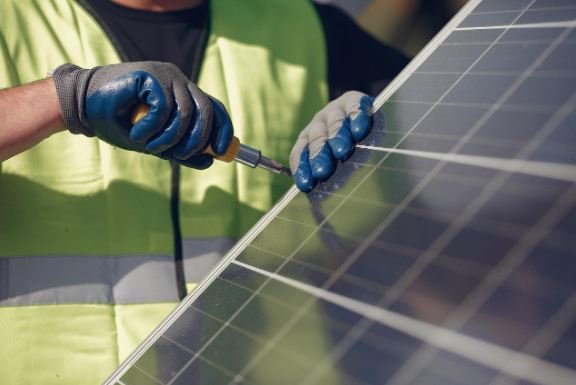
From an investment perspective, this creates a compelling case for solar power. Somalia benefits from strong and consistent sunlight, making solar energy suitable for both urban and rural applications. Opportunities exist in rooftop installations, mini-grid development, battery storage, hybrid energy systems, and commercial solar solutions for businesses.
The most attractive business models may be those that combine equipment supply with financing, installation, monitoring, and maintenance. Many customers may be interested in solar energy but unable to afford large upfront costs. Pay-as-you-go arrangements, leasing models, and long-term power purchase agreements could make renewable energy more accessible.
Investors should, however, avoid treating the market as a simple equipment-distribution opportunity. Long-term success will depend on technical reliability, trained local technicians, dependable after-sales service, and systems designed for local conditions.
Fisheries Could Become a Major Export Industry
Somalia possesses the longest coastline on mainland Africa, yet its fishing economy remains substantially underdeveloped. The country’s waters contain valuable marine resources, including tuna and other commercially attractive species, but local companies often lack the infrastructure required to capture their full value.
At Streamline Africa, we see opportunities across the entire fisheries value chain. These include modern fishing vessels, landing facilities, ice production, refrigerated transportation, cold storage, fish processing, packaging, and export logistics.
One of the greatest challenges is that Somali fishing companies frequently sell their catch at relatively low prices to foreign intermediaries. These buyers may process, package, brand, and resell the same fish in international markets at far higher margins.
This value gap demonstrates the commercial potential of developing local processing and direct export capabilities. Somali companies could increase revenue by preparing fish to international standards, rapidly freezing premium species, and selling directly to markets in Europe, Asia, and the Middle East.
Achieving this will require investment in food-safety certification, product traceability, testing facilities, quality control, and workforce training. Companies that can help the sector meet international standards may benefit not only from seafood exports but also from demand for logistics, certification, and technical support services.
Local Manufacturing Can Replace Expensive Imports
Somalia imports a large share of the products consumed within its domestic market. This includes personal-care goods, detergents, packaged food, beverages, building materials, household products, and other basic consumer items.
For Streamline Africa, this heavy dependence on imports presents a significant opportunity for local manufacturing. Businesses that produce commonly used goods domestically may benefit from lower transport costs, faster distribution, improved responsiveness to consumer preferences, and reduced exposure to global supply-chain disruptions.
The experience of local personal-care manufacturers already demonstrates that Somali-made products can compete with imports when they are affordable, accessible, and adapted to the needs of local consumers.
Other promising manufacturing areas may include soap, cleaning products, packaged foods, bottled beverages, packaging materials, furniture, construction inputs, and basic agricultural processing.
Investors should focus on goods with stable demand, straightforward production processes, and strong price advantages over imported alternatives. Successful companies will also require effective distribution networks and strong relationships with local wholesalers and retailers.
Regulatory Reform Will Determine the Pace of Industrial Growth
Despite the opportunity, domestic manufacturers continue to face policy and infrastructure constraints. Somalia’s commercial system has historically been shaped around trading and importing rather than industrial production.
Manufacturers often require reliable electricity, access to land, machinery financing, favourable customs treatment for raw materials, and protection from unfair competition. Import traders, by contrast, generally prefer lower barriers on finished foreign goods.
This tension means that industrial growth will depend partly on regulatory reform. Clear tax policies, improved standards, efficient customs processes, and better access to finance would make local manufacturing more competitive.
Streamline Africa’s Investment Outlook
Somalia remains a complex market, and investors should not underestimate the operational, political, and security risks. Thorough due diligence, careful market selection, and strong local partnerships are essential.
Nevertheless, solar energy, fisheries, and domestic manufacturing offer credible opportunities because they respond to clear and persistent market needs. These sectors also have the potential to create jobs, lower operating costs, support exports, and strengthen local supply chains.
From Streamline Africa’s perspective, Somalia’s strongest investment opportunities are found where commercial demand intersects with major infrastructure and production gaps. Investors that enter with patience, technical expertise, and a well-structured risk strategy may be able to build profitable businesses while contributing meaningfully to the country’s economic development.

FAQs about Somalia’s Investment Opportunities
Somalia Offers More Than Its Risk Profile Suggests
Although Somalia faces political, security, and infrastructure challenges, the country also has significant commercial gaps that informed investors can turn into viable opportunities.
Solar Energy Could Lower High Electricity Costs
Businesses and households continue to pay exceptionally high prices for power. Solar systems, mini-grids, battery storage, and flexible payment models could provide more affordable and reliable electricity.
The Fisheries Sector Remains Largely Untapped
Somalia’s long coastline gives it considerable potential in commercial fishing. However, limited cold storage, processing facilities, certification, and export infrastructure continue to restrict the industry’s growth.
Local Fish Processing Could Capture More Value
Somali fishing companies often sell their catch cheaply to intermediaries. Processing, freezing, packaging, and exporting seafood directly could allow local businesses to retain a larger share of the final market value.
Import Dependence Creates Manufacturing Opportunities
Somalia imports most of the consumer goods sold in its markets. Producing essential products locally could reduce transport costs, shorten supply chains, create employment, and offer consumers more affordable alternatives.
Everyday Consumer Goods Offer Strong Potential
Detergents, soap, packaged foods, beverages, building materials, personal-care products, and household items are among the areas where local manufacturers could compete with imported brands.
Regulatory Reform Will Be Essential
Domestic manufacturers require supportive customs policies, reliable energy, affordable finance, clearer standards, and better industrial infrastructure to operate competitively and expand production.
Local Partnerships Can Reduce Investment Risk
Investors entering Somalia will need strong local knowledge, careful due diligence, patient capital, and trusted partnerships to manage operational and political uncertainty effectively.