
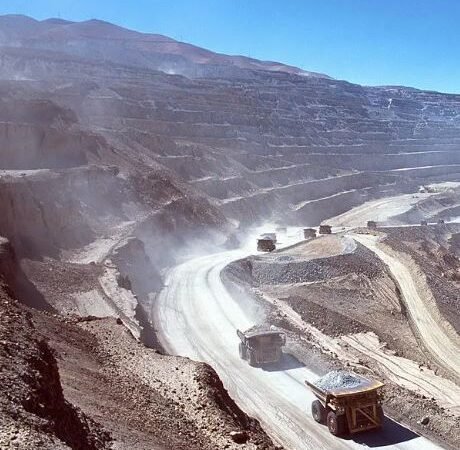
The Democratic Republic of Congo is entering an important stage in the evolution of its mining sector. The country is seeking to retain a larger share of the economic value generated from its extensive copper and cobalt reserves by discouraging the export of unprocessed minerals and promoting domestic beneficiation, refining and industrial activity.
For investors, this represents both an opportunity and a structural challenge. The DRC already occupies a strategically important position in global supply chains for minerals used in electric vehicles, battery storage, renewable-energy infrastructure and advanced manufacturing. As international demand for copper and cobalt grows, policymakers are increasingly focused on ensuring that the country participates beyond extraction.
The direction is commercially significant. A mining operator developing a project in Lualaba Province, for example, may increasingly need to assess whether processing facilities should be incorporated into the investment model rather than relying primarily on the export of raw material. This could create opportunities for capital providers, engineering firms, equipment suppliers, logistics companies and specialist service providers.
In our assessment, however, the effectiveness of this strategy will depend on whether the wider investment environment develops at the same pace as mineral policy.
Electricity Is the Central Investment Risk
The most immediate constraint is power availability. Processing copper and cobalt requires reliable and comparatively large volumes of electricity. Smelting, concentration and refining operations cannot achieve competitive production costs when facilities are exposed to persistent shortages, interruptions or expensive alternative energy arrangements.
This presents a fundamental challenge to the DRC’s value-addition ambitions. Mineral reserves may make a project commercially attractive at the geological level, but investors must also evaluate infrastructure availability, electricity pricing, transmission capacity and the reliability of supply.
Consider a hypothetical processing project near Fungurume. The mineral resource may be commercially compelling, yet the economics could change substantially if the developer must finance dedicated generation capacity or depend heavily on imported electricity. These additional requirements increase capital expenditure and can extend project-development timelines.
The situation also creates investment opportunities. Hydropower development, renewable-energy systems, transmission infrastructure and private-sector power arrangements could become increasingly important components of the mining ecosystem. Investors capable of combining mining exposure with infrastructure expertise may therefore find opportunities that extend well beyond mineral extraction.
For the DRC, export restrictions will ultimately deliver stronger economic outcomes only if they are accompanied by meaningful investment in energy, transport, workforce development and regulatory predictability.
Zambia’s Copper Expansion Raises Questions About Economic Participation
Zambia offers another important case for investors examining Africa’s critical-minerals landscape. The country is benefiting from renewed global interest in copper as electrification, renewable-energy systems and expanding electricity networks increase demand for the metal.
Major mining districts in Copperbelt and North-Western provinces continue to attract international capital. Improvements in the country’s fiscal position, progress in debt restructuring and renewed engagement with development institutions have also contributed to improving investor sentiment.
From an advisory standpoint, however, production growth should not be examined in isolation. The longer-term sustainability of Zambia’s mining expansion will also depend on how effectively economic benefits are distributed through employment, procurement, infrastructure and local enterprise development.
A new copper investment near Chingola, for example, may generate considerable export earnings and government revenues. Yet the broader developmental impact will be greater where local transport operators, engineering contractors, maintenance companies and skilled workers are able to participate meaningfully in the project.
This distinction matters because community expectations are becoming an increasingly important component of mining investment risk. Where local populations observe expanding production without comparable improvements in employment, public infrastructure or economic opportunity, social pressures can intensify.
Investors therefore need to assess community relations, local-content frameworks and stakeholder expectations alongside conventional financial metrics. Strong environmental, social and governance practices are no longer peripheral considerations. They increasingly influence project continuity, investor confidence and long-term commercial resilience.

Zambia Can Capture More Value Beyond Extraction
Zambia’s investment proposition could strengthen further if the country develops deeper industrial linkages around copper. Processing, fabrication, equipment servicing and mining-related manufacturing all present possibilities for retaining additional value locally.
For institutional investors and strategic operators, supplier-development programmes can also create opportunities for domestic companies to enter higher-value parts of the mining ecosystem. Building technical capabilities among local businesses can reduce dependence on imported services while increasing the economic impact of large mining projects.
The central investment question is therefore evolving. It is no longer simply whether Zambia can increase copper output, but whether rising production can support a more diversified and competitive industrial economy.
Policies that encourage private investment while maintaining regulatory consistency will be particularly important. Investors typically respond positively where tax structures, licensing requirements and local-content expectations are clearly communicated and reasonably predictable.
Mali’s Bogolan Industry Highlights the Potential of Cultural Investment
Africa’s investment opportunities are not limited to extractive industries. Mali’s bogolan textile industry illustrates how cultural assets and traditional knowledge can also become commercially valuable economic resources.
Bogolan textiles, produced through traditional dyeing techniques, have long represented an important element of Malian identity. Renewed international interest in African fashion, handmade products and sustainable design is now creating opportunities for artisans to reach consumers well beyond domestic markets.
From an investment advisory perspective, the sector demonstrates the commercial potential of converting cultural heritage into scalable enterprise.
A women’s textile cooperative operating near Mopti, for example, could expand its earning potential by moving from informal local sales into structured production, branded product lines and digital commerce. Investment in quality control, packaging, design development and international distribution could significantly increase the value attached to each finished textile.
Such enterprises may require relatively modest amounts of capital compared with large mining projects, yet their wider economic effects can be substantial. They create income opportunities for artisans, tailors, traders, logistics providers and younger workers learning traditional production techniques.
Scaling Traditional Enterprises Requires Market Infrastructure
The primary challenge for small cultural enterprises is often not demand but market access. Many producers remain disconnected from international buyers, financing institutions and professional distribution networks.
Investment in digital platforms, export partnerships and cooperative business models could help overcome these limitations. Development-finance institutions and impact investors may also find opportunities to support businesses that combine commercial potential with measurable social outcomes.
Bogolan therefore represents a different form of value addition from mineral processing, but the underlying investment principle is similar. Greater economic value is created when countries develop capabilities that move products beyond their most basic form.
Investors Should Focus on the Full Value Chain
Across the DRC, Zambia and Mali, we see a common investment theme emerging: resource ownership alone does not guarantee sustainable economic returns.
The DRC has world-class mineral resources but requires substantial energy and infrastructure investment to support its industrial ambitions. Zambia is attracting renewed copper investment but must strengthen the connection between mining expansion and domestic economic participation. Mali’s textile industry demonstrates how cultural resources can create new income streams when producers gain access to capital, branding and wider markets.
For investors, these markets therefore require more than conventional assessments of production potential.
Successful investment strategies should consider infrastructure constraints, regulatory developments, local capabilities, community expectations and opportunities for value-chain integration. Projects that address several of these factors simultaneously may offer stronger long-term commercial and developmental outcomes.
Africa’s next phase of resource investment will increasingly be shaped by how effectively countries move from extraction or primary production toward higher-value economic activity. For governments and investors alike, the opportunity lies not simply in producing more, but in building the infrastructure, enterprises and capabilities necessary to retain a larger share of the value generated within African economies.
Important Points to Note
The DRC’s Mineral Strategy Is About More Than Extraction
The DRC wants to retain more value from its copper and cobalt by encouraging local processing and refining. For investors, this creates opportunities beyond mining, including infrastructure, engineering, logistics and industrial services.
Electricity Could Determine the Success of the DRC’s Ambitions
Processing critical minerals requires reliable and affordable power. Without major improvements in electricity generation and transmission, the DRC may struggle to turn its mineral-processing ambitions into commercially viable projects.
Energy Investment Is Becoming Part of the Mining Opportunity
The DRC’s power deficit also creates an investment opening. Hydropower, renewable energy, transmission networks and private power projects could become increasingly important to the future growth of the mining sector.
Zambia’s Copper Boom Needs Wider Economic Benefits
Higher copper production and growing foreign investment are positive developments, but the real test is whether communities, workers and local businesses benefit. Sustainable mining growth must translate into stronger livelihoods and broader economic participation.
Local Suppliers Can Strengthen Zambia’s Mining Economy
Zambia has an opportunity to build more domestic businesses around mining. Engineering, maintenance, transport, fabrication and professional services can help retain more mining-related spending within the country.
Community Expectations Are Now an Investment Consideration
Mining companies cannot focus exclusively on production and financial returns. Employment opportunities, community relations, local procurement and infrastructure development increasingly influence the long-term stability of mining investments.
Value Addition Can Improve Africa’s Economic Returns
Whether the resource is copper, cobalt or cotton, greater value is generally created when processing, manufacturing, branding or finishing takes place locally rather than exporting products in their most basic form.
Mali Shows That Investment Opportunities Extend Beyond Mining
Bogolan demonstrates how cultural heritage can become a commercial asset. With stronger branding, financing and international market access, traditional industries can support jobs and sustainable small-business growth.
Small Enterprises Need Better Access to Markets
Many African artisans and producers have strong products but limited routes to customers. Digital commerce, export partnerships, financing and professional distribution can help turn small traditional businesses into scalable enterprises.
Investors Should Evaluate Entire Value Chains
The strongest opportunities may not always sit at the point of extraction or production. Investors should examine supporting infrastructure, processing, logistics, local suppliers, workforce capabilities and market access when assessing Africa’s resource sectors.