
Togo presents a distinctive proposition within West Africa. Although the country is relatively small in geographic size, its location, port infrastructure, and access to regional markets give it strategic importance. Togo functions as both a domestic market and a transit platform for businesses seeking to reach landlocked economies across the subregion.
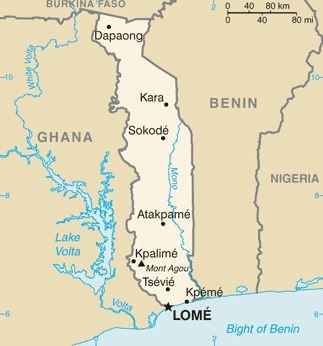
The country stretches from the Gulf of Guinea in the south to Burkina Faso in the north, creating a natural commercial corridor. For investors, this geographic structure supports opportunities in transport, logistics, warehousing, agriculture, light manufacturing, and cross-border trade.
Country Overview
Lomé is Togo’s capital and principal economic centre. The country has an estimated population of between nine and nine and a half million people, with growing urban demand concentrated around the capital and other commercial towns.
French is the official language and is widely used in administration, contracts, education, and formal business transactions. Togo operates as a presidential republic, with the executive playing a central role in economic planning and policy implementation.
The economy is primarily driven by services and agriculture, while logistics, trade, mining, manufacturing, and construction continue to expand their contribution.

Strategic Importance of the Port of Lomé
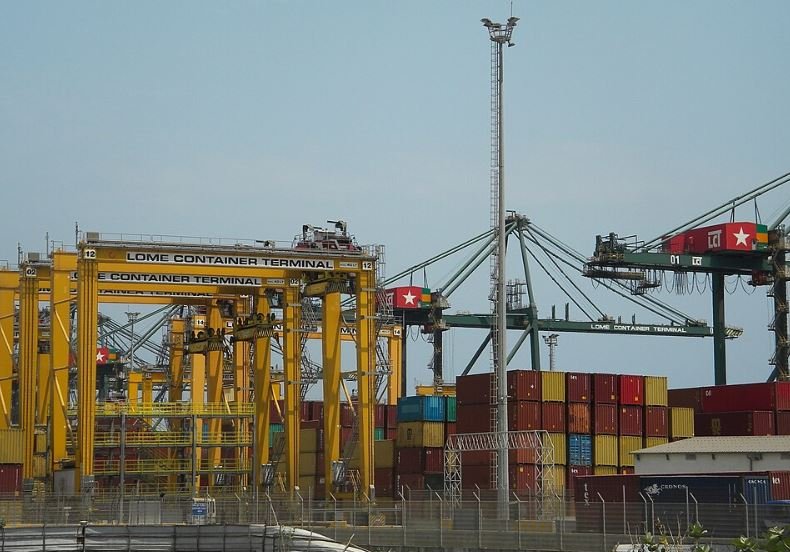
In our assessment, the Port of Lomé is Togo’s most significant economic advantage. As a deep-water port, it can accommodate large vessels and handle substantial volumes of regional and international cargo.
Its importance extends beyond Togo’s national borders. The port provides access to global shipping routes for countries including Burkina Faso, Mali, and Niger. This creates commercial demand for freight forwarding, customs services, inland transport, storage facilities, insurance, distribution, and supply chain management.
For investors evaluating regional logistics, Togo offers a practical base from which goods can be imported, processed, stored, and distributed to multiple West African markets.
Geography and Commercial Connectivity
Togo shares borders with Ghana, Benin, and Burkina Faso, while its southern coastline provides direct access to the Atlantic Ocean. This position places the country between major coastal economies and inland consumer markets.
The southern zone is more urbanised and commercially active, particularly around Lomé. Central Togo contains productive agricultural areas, hills, and forested landscapes, while the northern region is dominated by savannah and rural communities.
The country’s north–south transport axis supports the movement of agricultural products, industrial goods, fuel, and consumer merchandise. Continued investment in roads, border systems, and freight infrastructure would further strengthen Togo’s role as a regional trade route.
Demographic and Social Considerations
Togo has a diverse population made up of several ethnic and linguistic communities. The Ewe are strongly represented in southern areas, while the Kabye have a significant presence in the north. Other communities contribute to the social and economic character of the central and northern regions.
Although French is important in formal commerce, local languages remain influential in retail, farming communities, labour relations, and customer engagement. Investors entering the market should therefore consider multilingual communication and culturally informed stakeholder management.
Christianity, Islam, and traditional belief systems coexist across the country. Community networks, traditional authorities, and family relationships continue to influence commercial and social interaction.
Historical and Political Context
Togo’s modern institutions have been shaped by both colonial administration and post-independence centralized government. The territory was initially controlled by Germany before being divided between British and French administrations after the First World War. The French-administered section later gained independence in 1960.
Since independence, political power has remained highly centralized. While reforms and elections have taken place, discussions continue regarding political participation, institutional accountability, and the distribution of economic opportunity.
For investors, relative policy continuity can support long-term planning, but political and regulatory developments should still be monitored carefully.
Core Economic Sectors
Togo’s service sector benefits significantly from trade and transport activity. Shipping, banking, telecommunications, retail, and business services are concentrated in Lomé and other urban centres.
Agriculture remains one of the largest sources of employment. Cotton is a major commercial crop, while coffee and cocoa are also produced for export. Food crops support domestic consumption, although productivity, storage, mechanisation, and market access remain uneven.
These gaps create opportunities for investment in agricultural inputs, processing facilities, cold storage, irrigation, rural transport, packaging, and farmer support services.
Phosphate mining is another important part of the economy. However, the country could capture greater value by expanding local processing rather than relying heavily on raw mineral exports.
Investment Opportunities
Our advisory outlook identifies several sectors with long-term potential. Logistics remains one of the strongest areas because of port activity and regional transit demand. Warehousing, trucking, digital freight systems, customs support, and distribution services are likely to remain commercially relevant.
Agribusiness also offers considerable potential. Investors may explore food processing, cotton-related manufacturing, cocoa and coffee value chains, poultry, livestock, fertiliser distribution, and agricultural technology.
Additional opportunities exist in renewable energy, affordable housing, construction materials, consumer products, financial technology, tourism, and light industry.
Togo’s compact territory may allow businesses to establish distribution networks more efficiently than in larger markets. However, commercial success will depend on realistic demand assessments, dependable local partnerships, effective cost control, and careful regulatory compliance.
Business Environment and Operational Risks
Companies considering Togo should conduct detailed market and legal due diligence. Taxation, licensing, customs procedures, land access, foreign exchange exposure, and labour requirements must be examined before capital is committed.
Infrastructure is more developed in Lomé than in many rural areas. Investors operating outside the capital may face higher transport costs, limited utilities, weaker digital connectivity, and shortages of specialised skills.
Political stability, regional security, and regulatory predictability should also form part of any risk assessment. Entry strategies should include strong compliance systems, community engagement, and flexible operating plans.
Regional Trade and Diplomatic Relevance
Togo is a member of the Economic Community of West African States and participates in regional trade, mobility, and diplomatic initiatives. Its infrastructure supports the movement of goods between coastal and landlocked markets, strengthening its importance within regional integration efforts.
For international firms, Togo can serve as a platform for entering neighbouring countries rather than being viewed solely as a standalone national market.
Tourism and Cultural Assets
Tourism is not yet a major economic driver, but the sector contains underdeveloped potential. Koutammakou, associated with the Batammariba people, is internationally recognised for its traditional earthen architecture and cultural significance.
Togo also has beaches, mountains, festivals, craft traditions, rural landscapes, and ecological attractions. Investment in hotels, tour services, conservation, transport, and destination marketing could strengthen the industry.
Advisory Outlook
Our overall assessment is that Togo offers a compelling combination of port access, regional connectivity, agricultural potential, and emerging service-sector demand. Its domestic market is modest, but its value increases considerably when viewed as part of the wider West African commercial landscape.
Investors should approach the country with a long-term strategy, careful due diligence, and strong local relationships. Businesses that align their models with logistics, value addition, employment creation, and regional trade are likely to be best positioned to benefit from Togo’s continued economic development.
Frequently Asked Questions
What Is Togo’s Main Economic Advantage?
The Port of Lomé is the country’s strongest commercial asset. It supports international shipping, cargo handling, warehousing, distribution, and transit trade.
Which Markets Can Businesses Reach Through Togo?
Companies operating from Togo can serve the domestic market while also accessing Burkina Faso, Mali, Niger, Ghana, Benin, and other regional economies.
Which Sectors Offer the Best Investment Opportunities?
Promising sectors include logistics, agribusiness, food processing, renewable energy, mining, construction materials, financial technology, tourism, and light manufacturing.
Why Is Agriculture Important to Togo’s Economy?
Agriculture employs a large share of the population and supports the production of cotton, cocoa, coffee, and food crops. Greater investment in processing and storage could improve profitability.
What Risks Should Investors Consider?
Key risks include regulatory uncertainty, infrastructure gaps outside Lomé, limited specialist skills, regional security concerns, and possible delays involving permits or customs procedures.
Is Togo Suitable for Regional Expansion?
Yes. Its compact size, coastal access, road connections, and ECOWAS membership make it a practical base for companies pursuing broader West African growth.
How Important Are Local Partnerships?
Reliable local partners can help investors understand regulations, business culture, consumer behaviour, community expectations, and operational challenges.
What Is the Overall Investment Outlook for Togo?
Togo offers attractive long-term potential, especially for businesses focused on regional trade, value addition, infrastructure, employment creation, and efficient supply chains.