
International commerce has long connected countries through the exchange of goods, services, technology, capital, and expertise. These relationships allow nations to access products they cannot efficiently produce, expand their industries into foreign markets, and benefit from economic specialization. However, trade relationships can become strained when governments believe that foreign competition threatens local businesses, employment, technological leadership, or national security.
When these tensions intensify, countries may introduce tariffs, import restrictions, licensing requirements, or other barriers designed to reduce the competitiveness of foreign products. The affected trading partner may respond with similar measures, creating a cycle of economic retaliation commonly described as a trade conflict or trade war.
Although governments often introduce trade restrictions to defend national interests, the consequences rarely remain limited to the targeted industries. Modern economies are deeply interconnected through international supply chains. A tariff imposed on one category of imports may increase production costs in several unrelated sectors, affect consumer prices, alter investment decisions, and disrupt commercial relationships across multiple countries.
Trade conflicts therefore represent more than disagreements over imports and exports. They can influence economic growth, inflation, employment, business confidence, diplomatic relations, and the long-term structure of global commerce.
How Economic Disputes Develop into Trade Wars
Trade disagreements do not automatically become trade wars. Governments frequently negotiate concerns relating to market access, product standards, subsidies, taxation, intellectual property, and trade imbalances without introducing retaliatory restrictions. A trade war generally develops when one country imposes measures that another government considers unfair, excessive, or economically harmful.
For example, a government may increase import duties to protect local manufacturers from lower-priced foreign products. The exporting country may interpret the decision as discriminatory and respond by imposing tariffs on agricultural goods, industrial equipment, technology products, or other strategically important exports.
As each government attempts to increase pressure on the other, the dispute may expand beyond its original focus. What begins as a disagreement involving steel or agricultural products may eventually affect transportation, energy, electronics, manufacturing, financial markets, and consumer goods.
Domestic political interests may also influence the escalation. Industry associations, labour organizations, manufacturers, and business groups sometimes advocate stronger protection against foreign competition. Political leaders may respond by presenting tariffs as measures intended to preserve employment, strengthen national production, or address unfair international practices.
However, international trade involves complex economic relationships. Restricting imports may support certain domestic producers while simultaneously increasing costs for businesses that depend on imported materials. Consequently, the benefits experienced by one industry may be accompanied by financial pressure in another.
Protectionism and the Pursuit of National Economic Interests
Trade wars are closely associated with protectionism, which refers to government policies intended to limit foreign competition and support domestic economic activity. Protectionist measures may include tariffs, import quotas, subsidies, local-content requirements, licensing rules, technical standards, and restrictions on selected foreign products.
Governments often justify these policies by arguing that local industries require protection from competitors that benefit from lower production costs, government assistance, weaker labour regulations, or unequal access to markets. Emerging industries may also need temporary support while developing the capacity to compete internationally.
National security has become another important consideration. Governments may view industries such as energy, food production, telecommunications, advanced technology, pharmaceuticals, transportation, and defence manufacturing as too strategically important to depend entirely on foreign suppliers. Maintaining domestic capacity may therefore be considered valuable even when imported alternatives are less expensive.
Trade deficits can also influence protectionist decisions. A country experiences a trade deficit when the value of its imports exceeds the value of its exports. Policymakers may believe that restricting imports will encourage consumers to purchase locally manufactured products and reduce dependence on foreign economies.
Nevertheless, trade balances are influenced by several factors, including consumer demand, exchange rates, national savings, investment patterns, industrial productivity, and global competitiveness. Tariffs alone may therefore be insufficient to resolve persistent trade imbalances.
Why Modern Trade Conflicts Affect More Than Two Countries
Earlier international trade relationships were often less integrated than the commercial networks operating today. Modern products may pass through several countries before reaching consumers. Raw materials may originate in one region, components may be manufactured elsewhere, assembly may occur in another country, and distribution may involve multiple international markets.
This interconnected system means that trade restrictions between two major economies can create consequences far beyond their borders. Companies located in countries that are not directly involved may experience shortages, delayed shipments, higher transportation expenses, or changes in demand.
Manufacturers may respond by relocating production, identifying alternative suppliers, redesigning products, or transferring costs to consumers. However, adjusting an established supply chain can require substantial investment and may take several years.
Smaller economies may experience both opportunities and challenges. Some may attract investment as businesses seek alternative manufacturing locations. Others may face reduced export demand or higher costs for imported materials. The final outcome depends on each country’s industrial capacity, infrastructure, trade relationships, and ability to respond to changing market conditions.
Trade conflicts can therefore reshape investment patterns and influence where companies establish factories, distribution centres, and regional operations. Decisions initially intended to address a bilateral disagreement may gradually alter the wider geography of international production.
Lessons from Earlier Periods of Commercial Rivalry
Economic competition between nations existed long before the development of modern trade institutions. During the period of colonial expansion, powerful states competed for access to valuable resources, overseas territories, shipping routes, and exclusive commercial markets.
Some disputes extended beyond economic restrictions and contributed to military confrontation. In nineteenth-century Asia, disagreements involving foreign commerce, political authority, and access to domestic markets created prolonged conflict between China and European powers. The resulting settlements expanded foreign commercial influence and significantly changed regional trade relationships.
The twentieth century also demonstrated the dangers associated with widespread tariff escalation. During the economic uncertainty of the early 1930s, the United States introduced extensive import duties intended to protect domestic agriculture and industry. Several trading partners responded with restrictions of their own.
Rather than restoring economic stability, the exchange of trade barriers contributed to a decline in international commerce during an already difficult global economic period. Reduced market access weakened exporters, limited commercial activity, and intensified financial uncertainty.
The experience encouraged governments to pursue greater international cooperation in subsequent decades. Trade agreements and multilateral institutions were developed to reduce barriers, establish common rules, and create formal mechanisms for resolving disputes.
Historical evidence does not suggest that all protective measures are ineffective. However, it demonstrates that broad retaliation can generate consequences that extend far beyond the industries governments initially intend to support.
The Potential Economic Value of Strategic Trade Protection
Supporters of protective trade policies argue that unrestricted competition does not always create fair or sustainable outcomes. Domestic companies may struggle to compete against foreign businesses that receive substantial government subsidies or operate under significantly different regulatory conditions.
In such circumstances, temporary trade protection may provide local industries with additional time to improve productivity, invest in technology, expand production, and strengthen their competitiveness. Increased demand for locally manufactured products may also support employment and encourage domestic investment.
Trade restrictions may be used as negotiating instruments. A government may introduce tariffs to pressure another country to improve market access, strengthen intellectual property protections, reduce industrial subsidies, or revise policies considered harmful to foreign businesses.
Certain industries may also possess strategic importance beyond their immediate financial value. Domestic production of essential medicines, food, energy equipment, advanced technologies, or defence materials can reduce vulnerability during international emergencies.
For these reasons, the effectiveness of protectionism depends heavily on its design. Measures focused on clearly defined economic or strategic objectives may produce different results from broad restrictions affecting large categories of consumer and industrial products.
The Financial Costs Often Hidden Behind Tariffs
Despite their intended objectives, tariffs can create significant economic pressure. An import tariff is collected when foreign goods enter a country, meaning the immediate cost is generally paid by the importing business rather than directly by the foreign government.
Importers may absorb part of the additional expense, negotiate lower prices with suppliers, or transfer the cost to customers. In many cases, businesses eventually increase prices to protect their profit margins.
Manufacturers may also be affected when tariffs apply to imported machinery, raw materials, or production components. Higher input costs can reduce profitability and make locally produced goods more expensive in both domestic and international markets.
Consumers may experience higher prices and fewer choices. If imported products become significantly more expensive and domestic suppliers cannot meet demand, shortages may develop. Businesses may require time to expand production, particularly when new factories, equipment, skilled workers, or infrastructure are needed.
Retaliatory tariffs create additional difficulties for exporters. Agricultural producers, manufacturers, and other businesses may lose access to important foreign markets when their products become more expensive. Governments may introduce financial support for affected sectors, but such assistance can increase public expenditure.
The overall economic effect may therefore involve a redistribution of costs and benefits rather than a straightforward national gain. Some industries may expand while others experience reduced sales, higher expenses, or weaker competitiveness.
The United States–China Dispute and a New Era of Competition
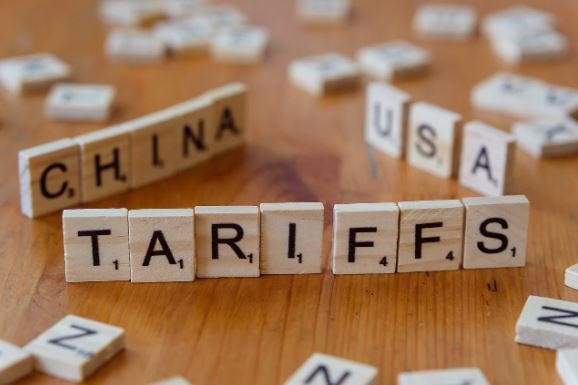
The commercial relationship between the United States and China provides one of the most significant modern examples of prolonged trade tension. For many years, economic integration between the two countries expanded rapidly. American consumers gained access to competitively priced products, while businesses developed extensive manufacturing and supply networks involving Chinese producers.
However, concerns increased regarding trade imbalances, intellectual property protection, industrial subsidies, technology transfer, and the movement of manufacturing activity abroad.
Beginning in 2018, the United States introduced tariffs covering a broad range of imported goods. China responded with duties targeting American exports, including agricultural and industrial products. As the dispute expanded, businesses faced uncertainty regarding future costs, market access, and investment decisions.
Although negotiations produced agreements and temporary periods of reduced tension, many trade barriers remained. The relationship gradually expanded beyond traditional concerns about imports and exports to include advanced technologies, semiconductor production, electric vehicles, renewable energy equipment, critical minerals, and national security.
Later tariff increases reflected growing concerns about strategic industrial competition. Measures affecting electric vehicles, batteries, solar technologies, and semiconductors demonstrated how trade policy had become connected to technological leadership and future economic influence.
Further negotiations resulted in temporary adjustments to selected restrictions, but the broader rivalry continued. The experience illustrated how difficult it can be to reverse trade barriers after businesses, governments, and political institutions have adjusted to a prolonged period of economic competition.
Trade Wars, Sanctions, and Other Economic Restrictions
Trade wars are sometimes confused with economic sanctions, but the two measures generally serve different purposes. Trade conflicts primarily involve commercial restrictions intended to influence trade relationships, protect industries, or respond to economic policies.
Sanctions often pursue broader diplomatic, security, or political objectives. They may restrict financial transactions, investment, travel, access to technology, or commercial relationships with specific governments, organizations, or individuals.
Governments may also introduce trade controls without entering a retaliatory conflict. Import quotas can limit the quantity of foreign goods entering a market, while product standards may require imported goods to satisfy specific safety, environmental, or quality requirements.
Subsidies provide another form of economic support by reducing costs for domestic producers. However, disagreements may emerge when foreign governments believe that subsidies provide local companies with an unfair competitive advantage.
The distinction depends largely on the purpose, scope, and response associated with the policy. A domestic regulation may remain an independent economic measure, but reciprocal restrictions can gradually transform a disagreement into a broader trade conflict.
Building More Resilient Trade Strategies
The continuing use of tariffs has encouraged businesses to reconsider their exposure to international political and economic risks. Many organizations are diversifying suppliers, expanding regional production, maintaining larger inventories, and developing alternative transportation routes.
Governments are also investing in domestic manufacturing and strengthening relationships with countries viewed as reliable economic partners. These strategies are intended to reduce dependence on a limited number of suppliers and improve resilience during periods of disruption.
However, greater resilience may involve higher operating costs. Producing goods domestically or sourcing from several locations can be more expensive than relying on the most efficient international supplier. Policymakers and businesses must therefore balance economic efficiency with security and supply-chain stability.
Long-term competitiveness requires more than tariffs. Investment in infrastructure, education, workforce development, innovation, energy reliability, research, and technology can strengthen domestic industries without relying entirely on import restrictions.
Trade policy is most effective when integrated into a broader economic strategy rather than treated as a permanent substitute for productivity and industrial development.
The Future of International Commerce
Trade conflicts reveal the tension between national economic priorities and the benefits of global cooperation. Governments have legitimate responsibilities to protect strategic industries, support employment, address unfair practices, and strengthen economic security.
However, extensive trade barriers can increase costs, weaken business confidence, reduce consumer choice, and slow economic growth. Retaliatory measures may also damage diplomatic relationships and make cooperation on wider international challenges more difficult.
The central policy question is therefore not whether all tariffs are beneficial or harmful. The more important consideration is whether a particular measure has a clearly defined objective, produces measurable economic value, and avoids unnecessary costs for businesses and consumers.
As competition over technology, energy, manufacturing, and strategic resources continues, trade policy will remain an important instrument of national economic strategy. Countries that combine targeted protection with investment, innovation, international cooperation, and competitive domestic industries may be better positioned to navigate future commercial disputes.
Trade wars may begin with tariffs, but their effects extend into nearly every part of the economy. Their long-term consequences depend not only on the restrictions imposed but also on how governments, businesses, and consumers respond to a changing global marketplace.
Important Questions and Answers
Why do governments start trade wars?
Governments may use trade restrictions to protect local industries, preserve jobs, reduce imports, address trade imbalances, or pressure another country to change its policies.
How do tariffs affect consumers?
Tariffs often make imported goods more expensive. Businesses may pass these additional costs to consumers through higher prices.
Can trade wars protect local businesses?
Yes. They can reduce foreign competition and increase demand for locally produced goods. However, the protection may be temporary if local industries do not improve their competitiveness.
Why can trade wars cause inflation?
When tariffs increase the cost of imported raw materials and finished products, businesses may raise prices, contributing to wider inflation in the economy.
How are global supply chains affected?
Companies may face higher costs, shipment delays, supply shortages, and pressure to relocate production or find alternative suppliers.
What is the difference between a trade war and economic sanctions?
Trade wars mainly focus on tariffs and commercial restrictions, while sanctions are broader measures used to achieve political, diplomatic, or security objectives.
What did history teach about aggressive tariffs?
Past tariff conflicts showed that widespread retaliation can reduce global trade, weaken economic growth, and worsen financial uncertainty.
Why is the U.S.–China trade conflict important?
It demonstrates how trade disputes can expand beyond ordinary goods into technology, electric vehicles, semiconductors, renewable energy, and national security.
Are trade wars good or bad for the economy?
They may benefit selected industries, but they can also increase costs, reduce consumer choice, damage exports, weaken diplomatic relationships, and slow economic growth.