
Across Africa, growing cities are producing increasing volumes of waste every year. What was once viewed solely as an environmental concern is now emerging as a significant business opportunity. As urban populations expand and consumer activity rises, the demand for efficient waste collection, recycling, and resource recovery solutions continues to increase. For entrepreneurs and investors, this transformation presents a unique chance to generate profits while contributing to environmental sustainability and economic development.
The continent’s rapid urban growth is a major factor behind this trend. With millions of people relocating to urban centers, municipal waste generation is increasing at an unprecedented rate. As governments, businesses, and communities seek practical solutions, recycling and waste management enterprises are becoming essential components of Africa’s future industrial landscape.
Why the African Recycling Sector Holds Strong Potential
Africa’s waste management industry remains relatively underdeveloped compared to many regions around the world. This creates substantial room for growth and innovation. Many countries are actively encouraging private-sector participation through investment incentives, industrial development programs, and sustainability initiatives.
Industrial zones established across countries such as Nigeria, Rwanda, and the Republic of the Congo are increasingly supporting companies involved in recycling, resource recovery, and renewable energy production. These developments provide investors with access to infrastructure, logistics, and regulatory support that can accelerate business growth.
As environmental awareness increases and governments tighten waste regulations, recycling businesses are expected to become even more valuable within local economies.
Plastic Recycling: Addressing One of the Largest Waste Streams
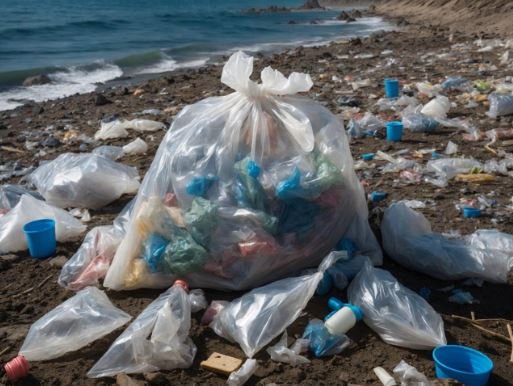
Plastic pollution is among the most visible environmental challenges facing African cities. Large quantities of plastic packaging, containers, and disposable products often end up in dumpsites, waterways, and coastal areas.
This challenge creates a substantial opportunity for businesses that can collect, process, and transform plastic waste into marketable products. Recycled plastic can be converted into pellets used by manufacturers, construction materials, packaging products, furniture, and even paving blocks.
As industries seek cost-effective and sustainable raw materials, demand for recycled plastic continues to rise, making this segment one of the most attractive areas within the recycling industry.
E-Waste Recovery: Unlocking Value from Discarded Electronics
The widespread use of smartphones, computers, televisions, and household appliances has significantly increased the volume of electronic waste across the continent.
Many electronic devices contain valuable materials, including copper, aluminum, gold, silver, and other recoverable components. Proper recycling allows these materials to be extracted and reintroduced into manufacturing supply chains.
Businesses specializing in electronic waste management can create revenue streams through material recovery while ensuring hazardous substances are handled safely and responsibly. As technology adoption continues to grow, electronic waste recycling is likely to become an increasingly profitable sector.
Paper and Cardboard Processing for Local Manufacturing
Paper and cardboard remain widely used across industries ranging from retail and logistics to food packaging and consumer goods.
Although many African countries import recycled paper products, substantial amounts of waste paper are generated locally every day. Recycling facilities can convert used paper and cardboard into new materials that support domestic packaging and manufacturing industries.
By reducing reliance on imports and strengthening local supply chains, paper recycling businesses can play an important role in industrial development while generating sustainable returns.
Transforming Organic Waste into Valuable Resources
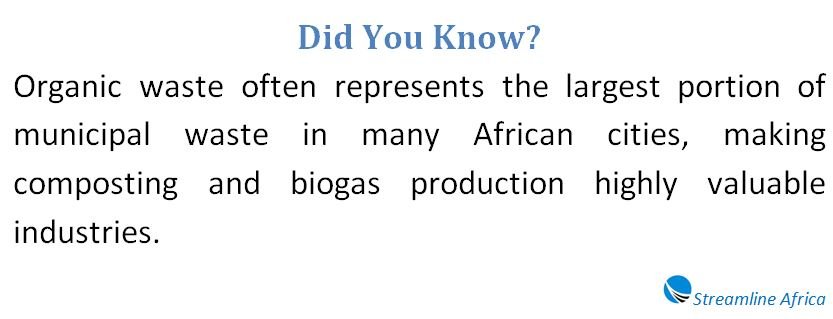
Food scraps, agricultural residues, and other biodegradable materials represent a significant portion of Africa’s waste stream. Unfortunately, much of this organic waste is discarded without being utilized.
Entrepreneurs can capitalize on this opportunity through composting and biogas production facilities. Compost improves soil quality and supports agricultural productivity, while biogas systems convert organic matter into renewable energy.
These solutions address waste disposal challenges while simultaneously supporting farming operations and energy generation, creating multiple revenue opportunities from a single waste source.
Glass Recycling and Resource Conservation
Glass products are commonly used for beverages, food storage, pharmaceuticals, and household items. Despite their recyclability, large amounts of glass waste remain underutilized in many African markets.
Recycling glass reduces the need for extracting new raw materials and lowers the energy required for manufacturing. Processed glass can be supplied to packaging manufacturers, construction firms, and producers of household goods.
With growing emphasis on sustainable production practices, glass recycling facilities can become valuable contributors to circular economy initiatives.
Rubber and Tyre Recycling Opportunities
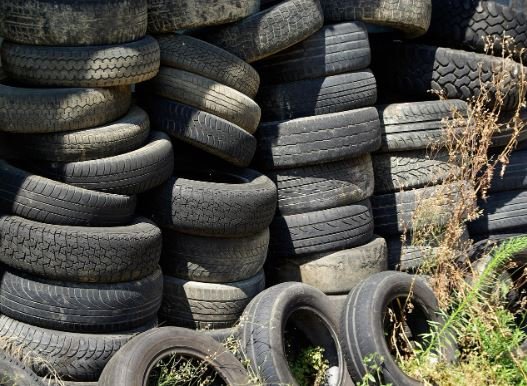
Millions of worn-out tyres reach the end of their useful life every year. When improperly disposed of, they create environmental hazards and occupy valuable landfill space.
Recycling operations can process used tyres into crumb rubber, playground surfaces, sports flooring, road construction materials, and industrial products. Some facilities also convert tyre waste into alternative fuels for industrial applications.
The broad range of end products makes tyre recycling an attractive investment option with multiple market opportunities.
Textile Recycling in a Growing Consumer Market
The rise of affordable clothing and changing fashion trends has increased textile waste throughout Africa. Large volumes of garments, fabric scraps, and industrial textile waste often end up discarded despite retaining significant value.
Textile recycling businesses can collect and sort used materials for resale, reuse, or conversion into industrial products such as insulation, padding, and cleaning materials.
As sustainability gains importance within the fashion industry, textile recycling is expected to become a more prominent component of waste management systems.
Metal Recycling: Meeting Industrial Demand
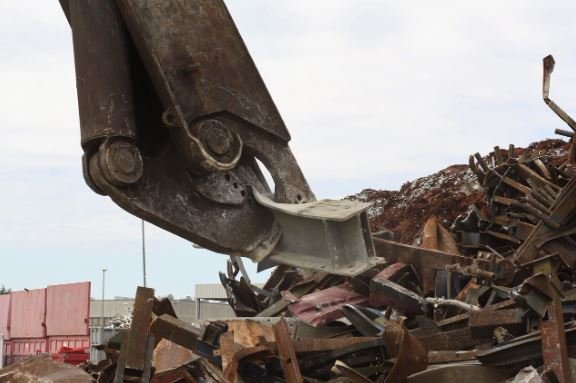
Metal remains one of the most valuable recyclable materials. Construction activities, vehicle disposal, industrial manufacturing, and demolition projects generate large quantities of scrap metal each year.
Both ferrous metals, such as steel and iron, and non-ferrous metals, including aluminum and copper, are in constant demand. Recycling these materials requires significantly less energy than producing metals from virgin ore.
Businesses involved in collecting, sorting, and processing scrap metal can supply manufacturers with cost-effective raw materials while supporting resource conservation efforts.
Waste-to-Energy Projects: Solving Two Problems at Once
Waste-to-energy technologies offer a practical solution for managing growing waste volumes while addressing energy shortages.
These systems convert municipal waste into electricity, heat, or fuel through processes such as incineration, gasification, and anaerobic digestion. By reducing landfill dependency and generating energy simultaneously, waste-to-energy facilities create environmental and economic benefits.
For investors seeking large-scale infrastructure opportunities, this sector offers considerable long-term potential across many African markets.
Challenges Investors Must Prepare For
Despite the promising outlook, the recycling industry faces several obstacles that require careful planning.
Infrastructure limitations remain a concern in many regions, affecting waste collection efficiency and transportation networks. Public participation in recycling programs is still developing, meaning businesses may need to invest in awareness campaigns and community engagement initiatives.
Regulatory frameworks can also vary significantly between countries. Investors must understand local environmental policies, licensing requirements, and compliance obligations before launching operations.
Addressing these challenges effectively can provide a competitive advantage and improve long-term business sustainability.
How Industrial Development Platforms Support Recycling Enterprises
Specialized industrial development organizations are helping create favorable conditions for waste management companies across Africa. Their support extends beyond providing land for facilities and includes a range of services designed to improve operational efficiency and investment attractiveness.
Modern industrial zones often offer access to utilities, transportation infrastructure, and shared services that reduce startup costs for recycling businesses. These environments allow companies to focus on growth while benefiting from established industrial ecosystems.
Access to Funding and Strategic Partnerships
One of the most significant barriers facing recycling companies is access to capital. Industrial development platforms frequently connect businesses with investors interested in environmentally responsible projects.
These connections help companies secure financing for equipment acquisition, technology upgrades, facility expansion, and innovation initiatives. Strategic partnerships with global industry players can also provide valuable expertise and market access.
Encouraging Innovation and Technology Adoption
Advanced recycling technologies are essential for maximizing efficiency and profitability. Industrial ecosystems often facilitate partnerships with equipment manufacturers, technology providers, and research institutions.
These collaborations support knowledge transfer, operational improvements, and the adoption of modern recycling methods. Innovation hubs and research centers further encourage the development of solutions tailored to local waste management challenges.
Strengthening Market Access and Export Potential
Recycled products are increasingly traded across international markets. Strategic industrial locations near transportation corridors, ports, and logistics hubs help recycling companies reach customers more efficiently.
Improved market access enables businesses to sell recycled materials domestically and internationally, expanding revenue opportunities and increasing competitiveness.
Building a Circular Economy for Sustainable Growth
The future of Africa’s recycling industry lies in the development of circular economic systems where waste becomes a valuable resource rather than a disposal problem.
In these ecosystems, materials discarded by one industry can serve as inputs for another, minimizing waste and maximizing resource utilization. Such collaboration reduces dependence on imported raw materials while encouraging local manufacturing growth.
As urbanization accelerates and sustainability becomes a greater priority, waste recycling is positioned to become one of Africa’s most impactful and profitable investment sectors. Companies that enter the market early have the opportunity to generate substantial financial returns while contributing to cleaner cities, stronger industries, and a more sustainable future for the continent.
FAQs about Waste Recycling Investment Opportunities in Africa
What Makes Waste Recycling a Major Opportunity in Africa?
Africa’s growing urban population is producing more waste than ever before, creating strong demand for recycling and waste management solutions that can generate both environmental and financial benefits.
Why Are Investors Showing Interest in Africa’s Recycling Sector?
Many African countries are encouraging sustainable industrial development, offering opportunities for investors to enter relatively untapped recycling markets with significant growth potential.
Which Type of Waste Offers the Largest Recycling Potential?
Plastic waste is one of the biggest opportunities because of its abundance and the increasing demand for recycled materials in manufacturing and construction.
How Can Businesses Profit from E-Waste Recycling?
Companies can recover valuable materials such as copper, gold, silver, and aluminum from discarded electronics while safely handling hazardous components.
Why Is Paper Recycling Important for African Economies?
Recycling paper and cardboard reduces dependence on imported materials and supports local packaging and manufacturing industries.
What Benefits Come from Recycling Organic Waste?
Organic waste can be transformed into compost for agriculture or biogas for renewable energy production, creating multiple revenue streams.
How Does Glass Recycling Support Sustainability?
Glass recycling conserves natural resources, reduces energy consumption, and supplies raw materials for packaging, construction, and household products.
What Products Can Be Made from Recycled Tyres?
Used tyres can be converted into rubber flooring, road materials, playground surfaces, industrial products, and alternative fuels.
Why Is Textile Recycling Becoming More Important?
Growing clothing consumption has increased textile waste, creating opportunities to repurpose fabrics into reusable products and industrial materials.
What Makes Metal Recycling a Profitable Business?
Recycled metals are in constant demand by manufacturers because they are cheaper and require less energy to process than newly mined materials.
How Do Waste-to-Energy Projects Create Value?
These facilities reduce landfill waste while generating electricity, heat, or fuel, helping solve both waste management and energy challenges.
How Can Industrial Development Platforms Help Recycling Companies?
They provide infrastructure, financing connections, technology partnerships, market access, training, and support for circular economy initiatives.