
What Congestion Pricing Means
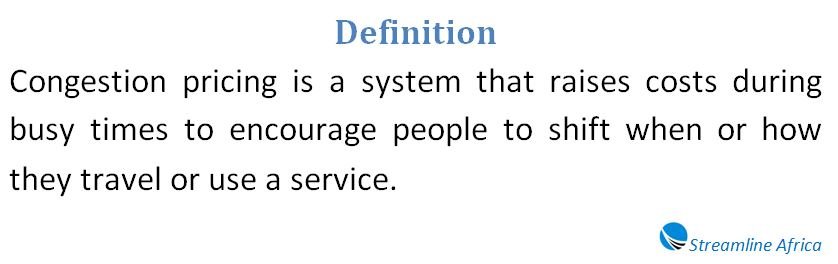
Congestion pricing is a strategy that raises costs during periods of high demand to encourage people to adjust when and how they use a resource. Instead of expanding supply—something that may take years—service providers use higher prices to shift behavior more quickly. Congestion pricing is frequently tied to transportation, but it also shapes how hotels, airlines, power companies, and rideshare platforms operate.
A utility may charge a higher rate between 3 p.m. and 9 p.m., when heating, cooling, and appliance use tend to spike. A hotel might triple its room rates during a weeklong music festival. By making peak times more expensive, congestion pricing nudges consumers to spread out their activity.
Congestion pricing is also known as traffic pricing, dynamic pricing, or value pricing, depending on the context.
Why Congestion Pricing Is Implemented
Cities and companies adopt congestion pricing because peak demand creates strain. Roads clog, energy grids overload, and transportation systems become unreliable. Charging more during high-demand windows gives people an incentive to shift their routines.
Drivers entering a central urban district between 7 a.m. and 10 a.m. or 4 p.m. and 8 p.m. may face an added fee. Airlines may raise fares by 30–120% during the last Friday of the month. Bus operators sometimes increase prices for weekend evenings when travel volume jumps. These pricing systems help redistribute usage, making services more dependable and less resource-intensive.

A Brief History of Congestion Pricing
Though congestion pricing appears modern, it grew from mid-20th-century economic theory. In the 1950s, economist William Vickrey proposed time-sensitive subway fares in New York City—an early version of today’s dynamic pricing—though technology at the time limited adoption.
Maurice Allais advanced the idea beyond transit, helping shape road-pricing trials in the 1970s. One such example, Singapore’s early road licensing system, required drivers to buy special permits. Though simple, it paved the way for today’s advanced camera- and sensor-based congestion systems.
Key Types of Congestion Pricing
Congestion pricing can take multiple forms, each designed to target specific kinds of demand patterns.
Dynamic or Surge Pricing
Dynamic pricing changes constantly based on real-time demand. Rideshare trips that normally cost $14 may rise to $31 after a sports stadium empties or during a sudden downpour. A hotel that typically charges $110 for a room may raise its prices to $265 during a local conference.
Dynamic pricing algorithms evaluate demand every few seconds, ensuring supply aligns with customer needs. This approach is common in industries where service levels must respond quickly to fluctuations.
Segmented Pricing
Segmented pricing separates customers based on willingness to pay for premium features. Airlines may sell economy seats for $180, while flexible business-class seats on the same route cost $870, reflecting added comfort and adaptability. Electronics stores may offer extended warranties costing 12% of the product’s price.
Theater productions may sell prime orchestra seats for $165 while standard balcony seats remain at $68. The value added to the premium seat—proximity, comfort, or exclusivity—is what sets the higher price.
Peak-User or Time-of-Use Pricing
Peak-user pricing attaches higher prices to the times when demand is greatest. Commuter rail systems may charge 35% more for weekday trips taken between 6:30 a.m. and 8:30 a.m. Electric utilities may charge 40% more per kilowatt-hour between 1 p.m. and 6 p.m., when cooling systems and industrial equipment are heavily used.
Consumers can save money by shifting activities—running dishwashers late at night, telecommuting certain days, or choosing earlier flights.
How Economics Supports Congestion Pricing
The underlying economics of congestion pricing suggest that people respond to price changes by adjusting their behavior. When a resource is free or inexpensive, individuals tend to use it more freely. But when a surcharge is applied during peak windows, the cost encourages re-evaluation.
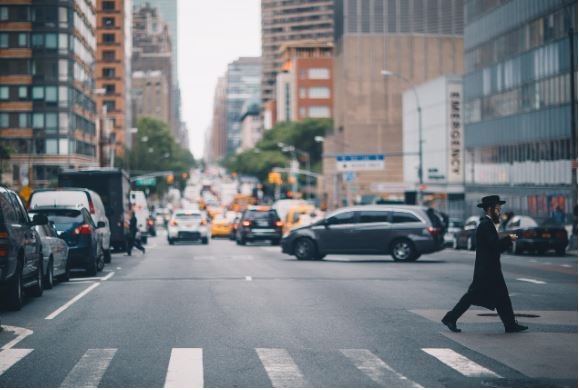
Road congestion illustrates the issue clearly. When too many cars use the same roadway, they create delays for one another, an external cost not reflected in fuel or maintenance expenses. Traffic pricing helps assign a value to this indirect cost.
Economists broadly agree that congestion pricing reduces overall use of overburdened systems. However, concerns remain, particularly around how the cost affects certain income groups and whether alternatives are available for people who cannot shift their schedules.
Benefits of Congestion Pricing
Congestion pricing offers tangible advantages for cities, companies, and consumers.
Traffic reductions can be significant. Even a decrease of 10–15% during peak hours can dramatically improve commute times. These shifts reduce stress, improve travel reliability, and free up infrastructure.
Congestion zones that charge fees of $8 to $20 per vehicle can generate substantial revenue, which cities often reinvest in public transportation upgrades, safer bike lanes, or roadway repair.
Environmental benefits are also notable. With fewer cars clogging city streets, emissions fall. In the energy sector, time-of-use pricing encourages users to avoid heavy consumption during critical hours, reducing the need to build additional power plants and stabilizing the grid.
Drawbacks and Challenges of Congestion Pricing
Despite its promise, congestion pricing has challenges. One recurring concern is fairness. Workers with fixed hours—such as those beginning shifts at 8 a.m. or ending at 5 p.m.—may have no choice but to travel during expensive windows. For these individuals, fees represent a larger share of income.
Businesses inside congestion zones sometimes notice reduced foot traffic. If shoppers must pay an additional $10–$18 during certain times to enter an area, they may choose alternative locations.
Administrative and setup costs also factor in. Launching a full-scale congestion pricing system may require $40–$85 million in initial investments for sensors, cameras, billing systems, and signage. Annual maintenance costs can take up 12–18% of total collected revenue.
Congestion Pricing in Real-World Scenarios
Many examples illustrate congestion pricing in action.
Rideshare companies routinely raise prices during events, sudden demand surges, or weather changes. A trip that typically costs $11 might rise to $26 during a weekend rush. This ensures more drivers go online, reducing wait times.
London has implemented a well-known congestion charge, requiring drivers to pay £18 to enter certain central zones during daytime hours. Since its introduction, the city has reported improvements in both traffic speed and air quality.
Some U.S. cities are exploring their own versions. Proposals have included fees ranging from $9 to $24 for vehicles entering high-traffic areas at peak times. While some plans have stalled, discussions continue as urban planners look for long-term congestion relief strategies.
Final Thoughts on Congestion Pricing
Congestion pricing shows how powerful price signals can be in shaping behavior. When demand overwhelms capacity, raising prices is one of the few tools that can bring immediate relief. Cities and industries use congestion pricing to reduce traffic, stabilize energy grids, and fund transportation improvements.
Yet the approach is not without concerns. Questions of affordability, fairness, and business impacts continue to influence how policymakers design or refine congestion-pricing systems.
For consumers, adjusting routines—whether by shifting travel times, adopting public transit, or reducing peak energy use—remains the most practical way to avoid higher costs as congestion pricing becomes increasingly common across industries.
FAQs about Congesting Pricing
Why do cities use congestion pricing?
Cities adopt congestion pricing to ease traffic jams, cut pollution, and make transportation more predictable. It also generates funding for infrastructure improvements.
How does congestion pricing change driver behavior?
When drivers must pay extra during peak hours, some choose to travel earlier or later, carpool, or use public transit. Even small shifts help reduce overall congestion.
Does congestion pricing only apply to transportation?
No. Utilities, rideshare apps, airlines, and hotels also use versions of congestion pricing, charging more when demand spikes and lowering rates when demand falls.
What are common types of congestion pricing systems?
The main types include dynamic pricing, segmented pricing, and time-of-use pricing. Each adjusts costs differently based on demand patterns or consumer preferences.
How do businesses benefit from congestion pricing?
Businesses like rideshare and travel companies often earn more during high-demand periods and can better manage supply, ensuring they have enough drivers, rooms, or seats available.
Who is most affected by congestion pricing?
People with fixed schedules, limited transit options, or lower incomes may feel the impact more because they have fewer alternatives to avoid peak-time fees.
Can congestion pricing improve the environment?
Yes. By reducing the number of vehicles on the road, congestion pricing lowers emissions, improves air quality, and decreases fuel waste.
Are there downsides to congestion pricing for local businesses?
Some businesses inside congestion zones may see fewer customers who want to avoid driving into areas with additional fees, especially if transit isn’t convenient.
Is congestion pricing expensive to set up?
It can be. Cities often need new technology—like cameras, sensors, and billing systems—which can cost millions to install and maintain.
Does congestion pricing actually work?
Evidence from cities like London and Singapore shows that congestion pricing can significantly reduce traffic and pollution, though results vary depending on design and enforcement.
How can individuals avoid paying congestion pricing fees?
People can shift travel to off-peak hours, use public transportation, carpool, or adjust their routes. Some cities offer exemptions or discounts for certain groups as well.