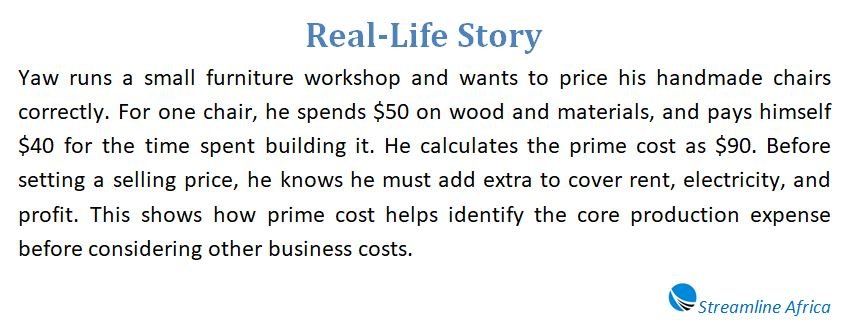
Every product or service that reaches a customer goes through a process of creation, and this process is tied directly to expenses. Among the different categories of costs that businesses measure, prime cost stands out because it covers the most essential spending involved in production—materials and labor. By focusing only on these core expenses, prime cost becomes a useful figure for managers and entrepreneurs who want to know how much it really takes to create what they sell.
While prime costs offer valuable insight, they also have limitations because they leave out overheads like rent or electricity. Understanding both the strengths and gaps of this measure is crucial for anyone running a company, from small artisans to large manufacturers.
What Prime Cost Represents
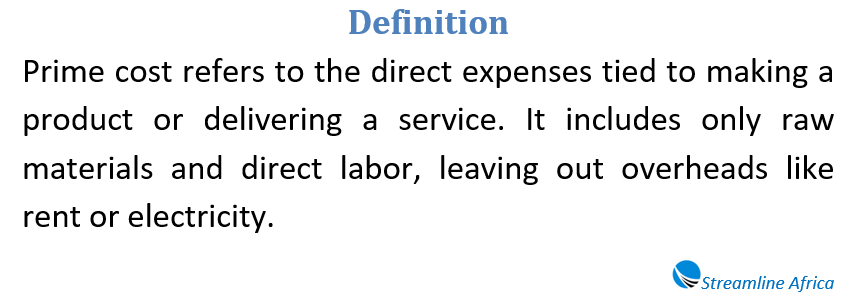
At its heart, prime cost is the sum of all direct production costs. This means the physical items used in making a product and the wages of those directly involved in turning those items into something valuable. It is not a full reflection of all the money a business spends, but it shows the immediate and tangible input costs of production.
For example, a bakery’s prime costs would include flour, sugar, butter, and the wages of the bakers. It would not include electricity, marketing, or the salary of the shop manager. This distinction makes prime cost helpful when looking at unit-level production expenses but potentially misleading if used without considering overhead.

Why Businesses Care About Prime Costs
Businesses calculate prime costs because they help answer one key question: How much do we spend to make this product before adding anything else? The answer informs pricing strategies, helps in controlling waste, and provides a baseline for profitability.
If a business knows its prime cost per unit, it can determine the minimum price it must charge to avoid selling at a loss. This information also helps when negotiating with suppliers or redesigning production processes. Lower prime costs can create room for competitive pricing or higher margins.
The Formula for Prime Cost
The calculation itself is straightforward, which is part of why it is so commonly used.
Prime Cost = Direct Materials + Direct Labor
Direct materials are the raw inputs required for production. Direct labor includes the wages of workers directly involved in making the product. The simplicity of this formula is both a strength and a weakness—it is easy to compute but leaves out many other expenses.
Step-by-Step Calculation Process
- Identify material expenses: The first step is to review financial records to see how much was spent on the raw inputs during a specific period. These should be only those materials that are essential and directly traceable to the product.
- Determine labor costs: Next, calculate the wages of the employees or contractors who physically create the goods. Supervisors or administrative staff are not included, since their work is indirect.
- Combine both figures: By adding direct material costs to direct labor costs, the result is the prime cost for that period or per unit.
A Practical Illustration
Imagine a carpenter who has been hired to build a custom bookshelf. The wood, nails, and varnish amount to $220. The carpenter charges $30 per hour, and the project takes four hours.
The direct material cost is $220, and the direct labor is $120. The prime cost, therefore, is $340. To ensure profitability, the carpenter needs to set the selling price higher than this figure. If overhead expenses like electricity or shop rent are ignored, the bookshelf might appear more profitable than it truly is.
Prime Costs for Small Businesses and Freelancers
Independent workers and small businesses rely heavily on prime cost calculations. For someone producing handmade crafts, calculating prime costs ensures that both the cost of supplies and the time invested are reflected in the selling price. Without this, artisans risk underpricing their goods, working long hours without fair compensation.
Self-employed professionals often go a step further, building in both a labor wage target and a profit margin. For instance, if the carpenter in the example above wants to earn $35 per hour instead of $30 and also include a $70 profit margin, the final price must be adjusted accordingly. This ensures sustainability and growth in the long run.

Distinguishing Prime Costs from Conversion Costs
It is easy to confuse prime costs with another important figure—conversion costs. Conversion costs measure how raw materials are transformed into finished products and therefore include both direct labor and overhead expenses.
The key difference is that prime costs focus on labor and materials, while conversion costs add overhead into the picture. For example, the electricity to run a factory or the depreciation of equipment would appear in conversion costs but not in prime costs. Together, the two figures give a fuller understanding of production efficiency and profitability.
Prime Costs vs. Overhead Costs
Prime costs should not be mistaken for total costs. Overhead represents the indirect side of business expenses: rent, insurance, utilities, administrative salaries, and similar outlays. These costs are essential but cannot be directly linked to a specific unit of production.
A company that only considers prime costs in pricing might find itself underestimating the true expense of operating. Over time, ignoring overhead can erode profitability even if prime costs are well managed.
Common Limitations of Prime Cost Analysis
While prime costs are useful, they should never be seen as the complete story. Some key challenges include:
- Exclusion of overhead: By leaving out indirect expenses, prime costs can make a product seem cheaper to produce than it really is.
- Difficulty in classifying expenses: Not all costs are easy to categorize. For instance, if a factory supervisor also spends part of their time on the production line, deciding whether their salary counts as direct or indirect becomes tricky.
- Variability between industries: In some industries, materials dominate prime costs, while in others, labor is the heavier component. This variability can make cross-industry comparisons less meaningful.
Is Depreciation a Prime Cost?
Depreciation is generally not considered a prime cost. Since it reflects the gradual wear and tear of machinery or equipment, it falls into overhead instead. Similarly, salaries for non-production staff and administrative roles also count as indirect costs, not part of prime cost.
Historical Roots of the Term
The term “prime” comes from the Latin prôtos, meaning “first.” This is a fitting description because prime costs represent the first and most essential layer of production expenses. Just as prime numbers are indivisible, prime costs highlight the core expenses that cannot be avoided when making something tangible.
Strategic Use of Prime Cost Data
Managers and entrepreneurs use prime cost data not just for calculation, but also for strategic planning. Knowing the direct costs helps businesses decide whether to scale up production, outsource certain processes, or renegotiate supplier contracts.
For instance, a clothing brand analyzing its prime costs might realize that fabric makes up the majority of expenses. By finding alternative suppliers or purchasing in bulk, they can lower their prime cost and boost profit margins without sacrificing quality.
Prime Costs in Service Industries
Although prime costs are typically discussed in manufacturing, service industries also apply the concept. For example, a consulting firm may consider direct labor as the hours billed by consultants and direct materials as any research or software licenses tied to a specific project. While the proportions differ, the principle of tracking direct costs remains the same.
The Balance Between Prime and Conversion Costs
A healthy financial strategy often involves monitoring both prime and conversion costs. Prime cost provides a clear picture of direct production input, while conversion cost adds the overhead perspective. When used together, they provide a comprehensive understanding of what it takes to create and deliver products. This dual perspective is valuable for identifying inefficiencies and ensuring sustainable pricing.
Final Thoughts
Prime cost is a straightforward but powerful tool for understanding the direct cost of creating goods and services. By focusing on materials and labor, it highlights the foundation of production expenses and serves as a guide for pricing and profitability decisions.
However, relying solely on prime costs can give an incomplete picture, especially for businesses with high overhead. To make sound decisions, companies must consider both prime costs and indirect costs like rent, utilities, and depreciation.
For large manufacturers, small business owners, and self-employed artisans alike, prime cost remains a vital measure. It not only influences pricing and profitability but also supports efficiency improvements and long-term business growth.
Frequently Asked Questions about Prime Cost
Why should businesses care about prime costs?
Because it shows the bare minimum cost of producing something. Knowing this helps businesses set prices that cover expenses and ensure profitability.
How do you calculate prime cost?
You add the total spent on direct materials to the wages of the workers directly involved in production. The formula is simple: Prime Cost = Direct Materials + Direct Labor.
Can you give a simple example of prime cost?
Yes. If a carpenter spends $220 on wood and supplies, and $120 on four hours of labor, the prime cost is $340.
How are prime costs different from overhead costs?
Prime costs are direct and traceable to a specific product, while overhead costs are indirect—like rent, utilities, or administrative salaries—that keep the business running but aren’t tied to one unit of output.
What’s the difference between prime costs and conversion costs?
Prime costs focus on materials and labor. Conversion costs also include overheads, showing the full expense of turning raw inputs into finished goods.
Are salaries always part of prime costs?
Not usually. Only wages directly tied to production count. Salaries for managers, supervisors, or office staff are considered overhead, not prime costs.
Is depreciation a prime cost?
No. Depreciation is treated as an indirect cost and placed under overhead, not as part of the direct production expenses.
Why is it called “prime” cost?
The word “prime” comes from the Latin for “first.” Prime costs are seen as the first and most essential expenses needed to create a product.
What is the biggest limitation of prime cost analysis?
It leaves out overhead. This can make a product look cheaper to produce than it really is, leading to poor pricing decisions if overhead costs are high.