

Chad presents investors with a difficult but potentially rewarding operating environment shaped by geography, politics, natural resources, and persistent development gaps. Located in the Sahel and cut off from seaports, the country faces high transport costs and weak links between major population centres. Much of its territory is dry, sparsely populated, and vulnerable to worsening drought. These conditions affect agriculture, infrastructure planning, internal security, and the cost of moving goods.
Most households depend on small-scale farming and livestock for income. Pastoral activity remains central to rural life, while cotton is one of the few crops with stronger commercial potential where irrigation is available. Agriculture, however, remains highly exposed to rainfall uncertainty, land degradation, and limited access to modern equipment, storage, finance, and markets.
An Economy Shaped by Oil
Oil has become the main driver of Chad’s formal economy and public revenue. This reliance has brought export earnings, but it has also left the country exposed to fluctuating global prices and production challenges. The broader economy remains narrow, and limited diversification has slowed the growth of manufacturing, services, and value-added agriculture.
Political disruption has also weakened investor confidence. Military rule followed the 2021 transition, while elections held in 2024 restored a formal civilian framework without fully resolving tensions between the government, opposition groups, and other political actors. Businesses must therefore assess not only commercial prospects but also the possibility of policy changes, unrest, and institutional uncertainty.
Areas with Long-Term Investment Potential
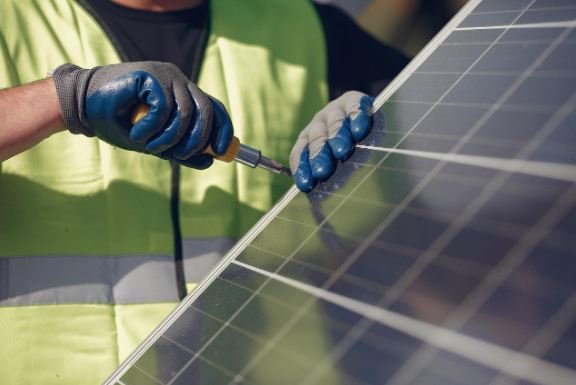
One of Chad’s most underdeveloped opportunities is solar energy. The country receives abundant sunlight across vast areas, yet electricity access remains limited and unreliable. Investment in utility-scale solar, mini-grids, storage systems, and off-grid solutions could support households, farms, mining operations, public services, and industrial facilities.
Livestock also offers room for expansion. Chad has a large animal population, but much of the sector operates informally and exports limited processed value. Opportunities may exist in breeding services, veterinary care, feed production, meat processing, leather, cold storage, and regional distribution.
Hydrocarbons remain commercially important, particularly for firms able to manage political, operational, and logistical risks. China’s growing trade interest may also create openings in infrastructure, energy, construction, and commodity exchange. Chad’s location and security relevance could continue to attract selected international partnerships, although the country’s decision to end its French military arrangement in 2024 has altered its diplomatic position.
Risks That Require Careful Planning
Chad remains among the world’s least developed economies, with major weaknesses in healthcare, education, electricity, transport, and public administration. Large distances and poor road connections increase delivery costs and make security management difficult. Rail infrastructure is absent, while many rural communities become harder to reach during difficult weather conditions.
Investors must also account for corruption, inconsistent contract enforcement, complicated taxation, civil unrest, armed activity, and crime. Climate pressures add another layer of risk by threatening water supplies, grazing land, crops, and local livelihoods. Any business plan should include strong compliance controls, reliable security procedures, realistic logistics budgets, and contingency arrangements.
Establishing and Operating a Business
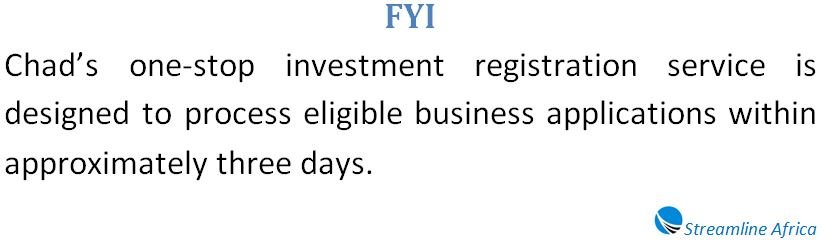
Chadian law allows several forms of registered business entities. Foreign investors establishing a local office may face registration costs, capital-based fees, and residence requirements. The National Agency for Investment and Exportation operates a one-stop registration service designed to process new applications within a few days.
Foreign nationals cannot directly purchase land, but they may fully own a locally incorporated subsidiary. Legal advice is important because administrative practice may differ from written procedures, particularly outside major commercial centres.
Companies should also conduct due diligence before selecting agents, suppliers, or joint-venture partners. Understanding ownership structures, political exposure, licensing obligations, and community expectations can prevent costly disputes. Engagement with local authorities and affected communities is important for projects involving land, water, livestock routes, energy installations, or extractive operations.
Business Culture and Local Relationships
French is the main language of formal business, making a capable French-speaking representative essential for many international companies. Relationships often develop gradually, and local partners may prefer to establish trust before moving into detailed negotiations.
Successful entry therefore depends on patience, cultural awareness, credible local advisers, and realistic expectations. Chad is not a simple market, but investors with long-term capital, strong risk controls, and dependable partnerships may find opportunities in sectors where national needs remain substantial.

Investment in Chad – Key Highlights
Oil Dominates the Economy
Chad relies heavily on oil revenue, making the economy vulnerable to changes in global energy prices, production levels, and government policy.
Solar Energy Offers Major Potential
The country’s strong sunlight and low electricity access create opportunities for solar farms, mini-grids, battery storage, and off-grid energy solutions.
Agriculture Supports Most Households
Small-scale farming and livestock remain the main sources of income for many Chadians, although drought and weak infrastructure limit productivity.
Livestock Could Generate More Value
Investment in veterinary services, animal breeding, meat processing, leather production, cold storage, and regional exports could modernize the livestock industry.
Poor Infrastructure Raises Business Costs
Limited roads, unreliable electricity, large travel distances, and the absence of railways make transportation and business operations expensive and difficult.
Political Stability Remains Uncertain
Although the 2024 elections introduced a formal civilian structure, tensions involving opposition groups and political institutions continue to affect investor confidence.
Climate Change Is a Growing Threat
Drought, water scarcity, declining grazing land, and land degradation are placing increasing pressure on agriculture, communities, and commercial activities.
Foreign Investors Can Own Local Companies
International investors may fully own locally registered subsidiary companies, although foreigners are generally restricted from directly owning land.
Local Relationships Are Essential
Business partnerships often develop slowly because trust, personal relationships, and cultural understanding are important before formal negotiations begin.
Patient Investors May Find Opportunities
Chad is a demanding market, but companies with long-term funding, local expertise, strong compliance systems, and effective risk management may succeed.