
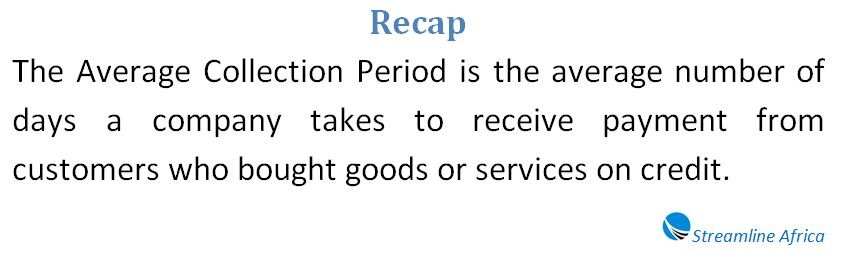
The Average Collection Period (ACP) is an important financial measurement that shows how long a business typically waits before receiving money from customers who purchased products or services using credit. Instead of paying immediately, these customers are allowed to settle their invoices at a later date, creating accounts receivable for the company.
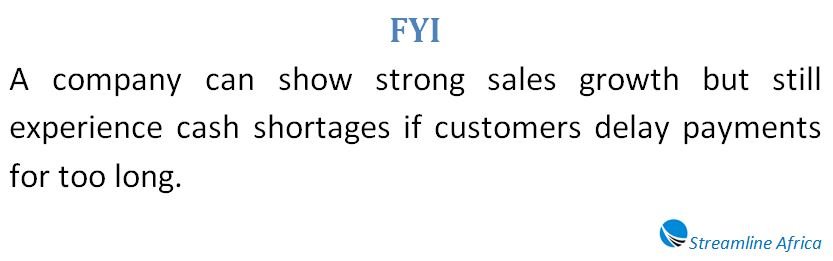
This metric helps businesses understand how effectively they manage customer payments and convert sales into available cash. While making sales is essential for growth, a company’s financial strength also depends on how quickly those sales turn into actual cash. A business may report strong revenue figures, but if customers delay payments for too long, the company can experience cash flow pressure.
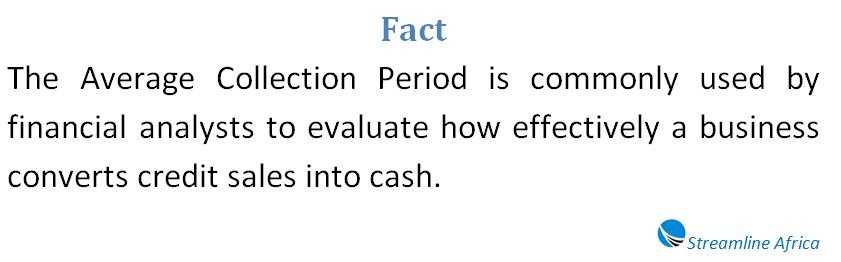
The Average Collection Period provides a practical answer to a simple but important question: how many days does it usually take for a company to collect the money it is owed?
A lower collection period often indicates that a business has efficient payment procedures, strong customer credit management, and a healthy cash flow system. A higher collection period may suggest delays in receiving payments, weak collection practices, or overly generous credit terms.
Why the Average Collection Period Matters
The ability to collect outstanding payments affects a company’s short-term financial stability. When customers take longer to pay, more money remains tied up in accounts receivable instead of being available for daily operations, investments, or business expansion.
Accounts receivable appears on the balance sheet as a current asset because it represents money expected from customers. However, until those amounts are collected, the funds cannot be used in the same way as cash in the bank.
For this reason, companies closely monitor their collection period to evaluate working capital efficiency. Effective management of receivables helps organizations maintain enough liquidity to pay suppliers, employees, and other business expenses.
A shorter collection cycle usually means:
- Customers are paying within agreed credit terms.
- The company is converting sales into cash efficiently.
- Less money is locked in unpaid invoices.
A longer collection cycle can indicate:
- Customers are taking too long to settle balances.
- Credit policies may need adjustment.
- The company may face increased liquidity challenges.
By reviewing this metric regularly, managers can identify payment issues early and improve their financial decision-making.
How to Calculate the Average Collection Period
The Average Collection Period is calculated by comparing the amount customers owe the business with the company’s credit sales over a specific period.
The standard formula is:
Average Collection Period = (Accounts Receivable ÷ Net Credit Sales) × 365 Days
This calculation determines the approximate number of days required to collect customer payments.
Accounts receivable represents outstanding customer balances, while net credit sales refer to sales made where payment is expected in the future rather than received immediately.
Although the formula commonly uses 365 days, some businesses may use 360 days depending on their accounting practices.
Because sales figures come from the income statement and accounts receivable comes from the balance sheet, analysts often prefer using the average accounts receivable balance. This provides a more balanced view because the balance sheet only reflects a single point in time.
The average receivable balance is usually calculated as:
Beginning Accounts Receivable + Ending Accounts Receivable ÷ 2
Using this method requires historical information from previous reporting periods but can provide a more accurate picture of collection performance.

Relationship Between Collection Period and Receivables Turnover
Another way to determine the Average Collection Period is by using the accounts receivable turnover ratio.
The alternative formula is:
Average Collection Period = 365 Days ÷ Receivables Turnover
Receivables turnover measures how many times a company collects its average outstanding customer balances during a year.
A higher turnover ratio means the business is collecting payments more frequently, which results in a shorter collection period. A lower turnover ratio suggests slower collections and more money remaining unpaid.
For example, a company with a turnover ratio of 12 times per year collects its receivables approximately every month. A business with a ratio of 4 times per year may take significantly longer to receive customer payments.
Both calculation methods should produce the same result when the correct figures are used.
Practical Example of Average Collection Period Calculation
Consider a company that provides services to customers on credit. During one financial year, the business records $300,000 in credit sales and has accounts receivable of $25,000 at the end of the year.
Using the formula:
Average Collection Period = ($25,000 ÷ $300,000) × 365
The result is:
30.4 days
This means the company collects customer payments in approximately 30 days after making credit sales.
Now assume that the following year, credit sales increase to $420,000 while accounts receivable rises only slightly to $28,000.
The calculation becomes:
($28,000 ÷ $420,000) × 365
The result is:
24.3 days
Although accounts receivable increased, the company improved its collection efficiency because sales grew faster than unpaid balances.
This shows why the collection period should not be analyzed alone. It must be compared with revenue levels, business growth, and previous performance.
Interpreting Average Collection Period Results
The meaning of a company’s collection period depends on its industry, customer agreements, and business model. There is no universal number that works for every organization.
For example, a company that normally offers customers 30-day payment terms should expect a collection period close to that range. If the figure rises to 60 or 90 days, it may indicate customers are delaying payments.
A declining collection period is usually viewed positively because it means cash is arriving faster. This can improve the company’s ability to handle expenses and invest in opportunities.
However, an extremely low collection period may also require investigation. A business collecting payments much faster than competitors might have strict credit policies that discourage potential customers.
The goal is not simply to reduce the number of days but to create a balance between encouraging sales and maintaining healthy cash flow.
Ways Businesses Can Improve Their Collection Period
Companies can take several steps to reduce the time required to receive payments.
One approach is improving credit policies. Before offering credit, businesses can evaluate customers’ payment history and establish clear limits.
Another strategy is creating accurate and timely invoices. Errors, missing information, or delayed billing can cause unnecessary payment delays.
Businesses may also encourage faster payments through early payment discounts or automated reminders. Regular follow-ups with customers help prevent invoices from becoming overdue.
Technology can also improve collections. Digital invoicing systems, payment platforms, and accounting software allow businesses to track outstanding balances and identify overdue accounts more efficiently.
Average Collection Period as a Financial Performance Indicator
The Average Collection Period is more than a simple accounting calculation. It provides insight into how well a company manages one of its most important resources: cash.
Investors, managers, and financial analysts use this metric to evaluate operational efficiency and working capital management. A company that consistently maintains a reasonable collection period is often better positioned to support growth and manage financial obligations.
Comparing the collection period across different years can reveal whether collection practices are improving or declining. It can also highlight whether changes in credit policies are producing the desired results.
Final Thoughts on Managing Receivables Effectively
The Average Collection Period helps businesses understand the connection between sales and cash availability. Strong revenue numbers are valuable, but they only strengthen a company when payments are collected efficiently.
By tracking how quickly customers settle their accounts, businesses can identify weaknesses, improve credit procedures, and protect their cash flow. A well-managed collection process supports smoother operations, reduces financial pressure, and contributes to long-term stability.
For companies that rely on credit sales, monitoring this measurement regularly is an essential part of maintaining financial health.
Frequently Asked Questions
Why is the Average Collection Period important?
It shows how effectively a company manages customer payments. A shorter collection period usually means better cash flow, while a longer period may create financial pressure because money remains tied up in unpaid invoices.
What does a low Average Collection Period indicate?
A low collection period generally suggests that customers pay quickly and the company has efficient credit and collection procedures. It can improve liquidity and support daily business operations.
What does a high Average Collection Period mean?
A high collection period may indicate delayed customer payments, weak collection practices, or credit policies that allow customers too much time to pay. It may affect the company’s available cash.
How is the Average Collection Period calculated?
The formula is:
Average Collection Period = (Accounts Receivable ÷ Net Credit Sales) × 365
This calculation estimates how many days it takes to collect money from credit customers.
What are accounts receivable in this calculation?
Accounts receivable refers to money customers owe a business for products or services they have already received but have not yet paid for. It represents expected future cash.
Can the Average Collection Period change over time?
Yes. It can increase or decrease depending on customer payment habits, changes in credit terms, business policies, and the effectiveness of collection efforts.
Is a shorter collection period always better?
Not necessarily. While faster payments improve cash flow, extremely strict payment policies may discourage customers. Businesses need a balance between quick collections and maintaining good customer relationships.
How can a company reduce its Average Collection Period?
A business can improve collections by sending invoices promptly, setting clear payment terms, following up on overdue accounts, and offering convenient payment options.
What is the connection between receivables turnover and collection period?
Receivables turnover measures how many times a company collects its receivables during a year. A higher turnover usually results in a shorter Average Collection Period.
Does every industry have the same ideal collection period?
No. The acceptable collection period depends on the industry, customer agreements, and normal business practices. Some industries naturally have longer payment cycles than others.
How does the Average Collection Period affect business growth?
Efficient collections provide businesses with more available cash, allowing them to pay expenses, invest in expansion, manage operations, and reduce dependence on external financing.