
Rwanda has emerged as one of East Africa’s most closely observed development markets, distinguished by institutional discipline, long-term policy planning, and a consistent focus on economic transformation. Despite its relatively small geographic size and landlocked position, the country has strengthened its regional relevance by investing in public administration, infrastructure, tourism, technology, and service-based industries.
Frequently referred to as the “Land of a Thousand Hills,” Rwanda has built an international profile that extends beyond its natural landscape. Its development trajectory reflects a deliberate strategy centered on political stability, social cohesion, administrative efficiency, and the creation of a predictable environment for investment and business activity.
Read Also: Mali Business Environment 2026: Investment Opportunities, Market Risks and Economic Outlook
Country and Market Profile
Kigali serves as Rwanda’s political, commercial, and administrative capital. The country has an estimated population of between 14 million and 15 million people, making it one of the most densely populated markets in Africa. Kinyarwanda is spoken throughout the country, while English, French, and Swahili support government, education, trade, and regional engagement.
Rwanda operates as a presidential republic with a highly centralized governance structure. Its economy is primarily driven by services and agriculture, with increasing contributions from tourism, construction, financial services, information and communication technology, manufacturing, and aviation.
The country’s principal strengths include policy consistency, public security, institutional coordination, a reform-oriented administration, and sustained investment in human capital. These characteristics have supported Rwanda’s positioning as a regional center for conferences, professional services, tourism, and innovation.
Strategic Relevance
Rwanda’s importance is not determined by market size alone. Its strategic relevance is closely linked to the effectiveness with which it has implemented national development priorities and rebuilt public institutions following a period of profound national crisis.
The government has maintained a strong emphasis on accountability, performance management, service delivery, and measurable development outcomes. This approach has contributed to progress in healthcare, education, infrastructure, sanitation, public administration, and digital access.
Rwanda has therefore become an important case study for governments, development institutions, and investors assessing the relationship between state capacity, policy execution, and economic modernization. Its experience continues to influence discussions on governance, national reconciliation, inclusive growth, and public-sector effectiveness across Africa.

Geographic and Regional Context
Rwanda is located within the Great Lakes region and shares borders with Uganda, Tanzania, Burundi, and the Democratic Republic of Congo. Although the country has no direct access to the sea, its central position gives it strategic relevance within East African trade and transport networks.
The national landscape is characterized by highlands, valleys, volcanic terrain, forests, and lakes. Lake Kivu forms part of Rwanda’s western boundary, while fertile agricultural land is concentrated across several regions of the country.
This geography supports agriculture, tourism, and environmental conservation. However, it also creates operational challenges, including pressure on land availability, high population density, transport costs, and the need for efficient urban planning.
Demographic and Social Development
Rwanda has a predominantly young population, presenting both an economic opportunity and a development challenge. A growing labor force can support productivity and domestic consumption, but continued investment in employment creation, technical education, housing, and healthcare will remain essential.
The government has prioritized education, gender participation, public health, and digital literacy as key components of national development. Women hold a visible role in public institutions and economic participation, while policies promoting access to education and healthcare have contributed to improved social outcomes.
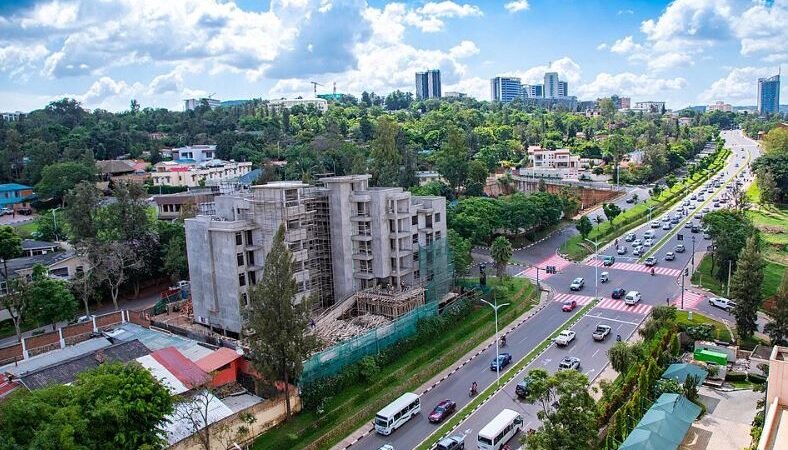
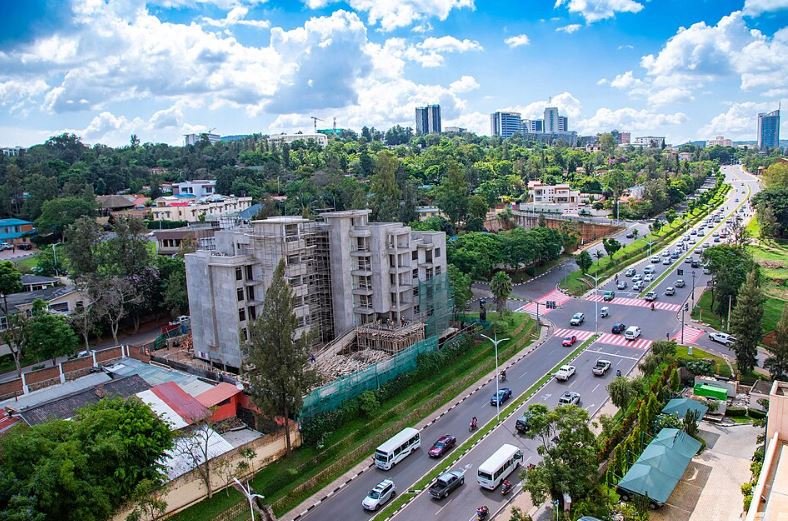
Kigali reflects Rwanda’s broader emphasis on order, urban management, and service delivery. The city is widely recognized for its cleanliness, controlled development, and growing role as a destination for multinational organizations, investors, and international events.
Historical Foundations and Institutional Reconstruction
Rwanda’s contemporary political and economic structure cannot be separated from its history. The country was previously organized under a centralized monarchy before experiencing German and Belgian colonial administration. Colonial governance reinforced social divisions that later contributed to political instability and violence.
The 1994 genocide resulted in the deaths of approximately 800,000 people and caused severe damage to Rwanda’s social fabric, economy, and institutions. The post-conflict period required extensive reconstruction, reconciliation, and the re-establishment of government authority.
Since then, Rwanda has implemented a highly coordinated national rebuilding process. Justice initiatives, community-based reconciliation mechanisms, public-sector reforms, and development planning have played central roles in restoring stability. The country’s focus on unity, security, and institutional performance continues to shape its domestic policy environment.
Governance and Policy Environment
Rwanda’s governance model is characterized by strong central coordination, policy continuity, and performance-based administration. Government ministries and public institutions operate within structured national development frameworks, supported by monitoring systems and clearly defined implementation targets.
This model has facilitated the execution of infrastructure projects, regulatory reforms, and public-service initiatives. It has also improved Rwanda’s reputation for administrative responsiveness and policy predictability.
At the same time, political participation and public criticism remain closely controlled. For investors and development partners, this creates a policy environment that is stable and coordinated, but also one in which political and reputational considerations require careful assessment.
Economic Structure and Priority Sectors
Agriculture continues to employ a significant proportion of Rwanda’s population and remains essential to rural livelihoods. Coffee and tea are among the country’s leading agricultural exports, while efforts are being made to increase productivity, improve processing capacity, and expand value-added production.
The service sector has become increasingly important, particularly in tourism, finance, telecommunications, hospitality, transport, and professional services. Kigali’s expansion as a conference and business tourism destination has supported investment in hotels, aviation, and event infrastructure.
Priority sectors include information technology, agro-processing, light manufacturing, logistics, construction, and renewable energy. Rwanda’s investment strategy seeks to reduce dependence on primary production by developing higher-value industries and export-oriented services.
The country offers a comparatively structured business environment, although investors must account for the limited size of the domestic market, elevated transport costs, skills gaps, and dependence on regional supply chains.
Trade, Diplomacy, and Regional Influence
Rwanda is an active member of the East African Community and participates in regional trade, infrastructure, and market integration initiatives. Its geographic location provides access to neighboring economies, although cross-border efficiency remains critical to reducing the disadvantages associated with being landlocked.
Kigali has also developed into a prominent venue for regional summits, investment forums, and international conferences. Rwanda’s contribution to peacekeeping operations and diplomatic initiatives has further strengthened its international profile.
Through institutional branding, strategic partnerships, and active multilateral engagement, the country has expanded its influence beyond what might ordinarily be expected from a market of its size.
Tourism, Conservation, and National Branding
Tourism remains one of Rwanda’s most internationally visible sectors. Mountain gorilla trekking in Volcanoes National Park represents the country’s flagship tourism product, supported by additional attractions such as Nyungwe Forest, Akagera National Park, and Lake Kivu.
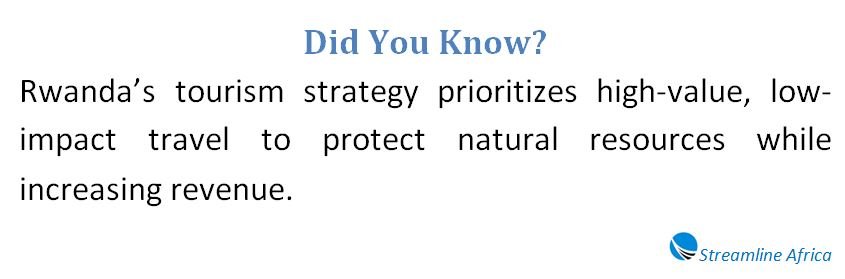
Rwanda has adopted a high-value, low-impact tourism model intended to generate revenue while protecting natural assets. Conservation initiatives are closely linked to community development, employment creation, and national branding.
Cultural traditions, including dance, music, crafts, and storytelling, remain important components of national identity. Football and cycling are also widely followed, with cycling gaining increasing international recognition.
Overall, Rwanda presents a development model built on institutional discipline, coordinated planning, and strategic economic positioning. Its future prospects will depend on its ability to expand private-sector participation, strengthen regional trade, create employment for its young population, and sustain growth while managing political, social, and market-related risks.
FAQs about Investing in Rwanda
Why Is Rwanda Considered an Important African Development Market?
Rwanda has attracted international attention for its strong institutions, long-term planning, public-sector discipline, and consistent focus on economic transformation.
What Are Rwanda’s Main Economic Drivers?
The economy is supported by agriculture and services, with tourism, construction, finance, technology, telecommunications, aviation, and manufacturing becoming increasingly important.
What Makes Rwanda Attractive to Investors?
Investors are drawn to Rwanda’s policy stability, public security, coordinated administration, reform-oriented business environment, and clearly defined national development priorities.
Which Sectors Offer the Strongest Investment Potential?
Promising sectors include information technology, agro-processing, tourism, renewable energy, logistics, light manufacturing, construction, financial services, and conference-related hospitality.
What Challenges Should Investors Consider?
Key constraints include Rwanda’s small domestic market, landlocked location, transport costs, limited land availability, skills shortages, and reliance on regional supply chains.
How Important Is Kigali to Rwanda’s Economy?
Kigali is the country’s political, commercial, and administrative center. It also serves as a growing hub for conferences, multinational organizations, professional services, tourism, and technology.
How Has Rwanda’s History Influenced Its Development Model?
The devastation of the 1994 genocide shaped Rwanda’s strong emphasis on national unity, security, institutional reconstruction, reconciliation, and coordinated government planning.
What Role Does Agriculture Play in Rwanda?
Agriculture remains vital to employment and rural livelihoods. Coffee and tea are major exports, while current development efforts focus on productivity, processing, and value-added production.
How Does Rwanda Participate in Regional Trade?
As a member of the East African Community, Rwanda is involved in regional trade, infrastructure development, market integration, diplomacy, and cross-border investment initiatives.
Why Is Tourism Strategically Important to Rwanda?
Tourism generates foreign exchange, supports conservation, creates employment, and strengthens Rwanda’s international brand through attractions such as Volcanoes National Park, Lake Kivu, Nyungwe Forest, and Akagera National Park.