
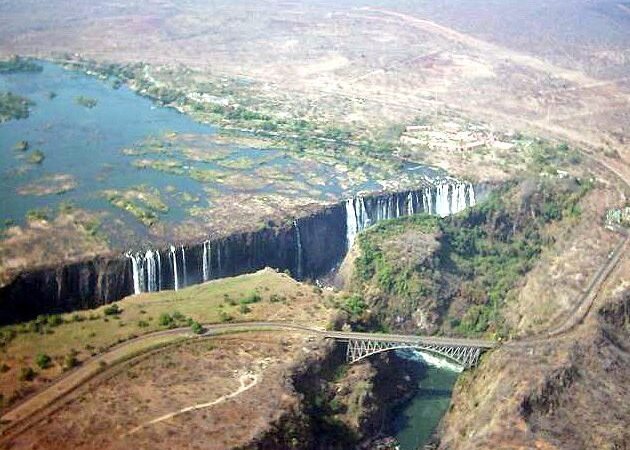
Many investors view Zimbabwe as a high-potential but high-risk market. The country combines substantial mineral wealth, agricultural capacity, skilled workers, and recognised tourism assets. However, these advantages are weakened by policy inconsistency, institutional fragility, inflation, and governance concerns. For investors, the central question is not whether Zimbabwe has commercial potential, but whether opportunities can be structured to withstand a difficult operating environment.
Our assessment is that Zimbabwe requires a selective investment approach. Businesses should prioritise sectors with strong export potential, domestic demand, or regional relevance. Entry strategies must also include due diligence, legal protection, currency planning, and local partnerships.
Macroeconomic Conditions and Investor Confidence
Zimbabwe’s economic challenges remain closely connected to public policy and political administration. High inflation, exchange-rate instability, foreign currency shortages, and unpredictable regulations complicate budgeting and long-term planning. These pressures affect operating costs, consumer purchasing power, and the ability of companies to repatriate earnings.
Although the authorities have introduced reforms intended to improve the investment climate, implementation has not always been consistent. Investors should therefore avoid relying solely on announced policy changes. We recommend testing assumptions against regulations, sector-specific practice, and the experience of businesses already operating in the country.
Agriculture and Food-System Investment
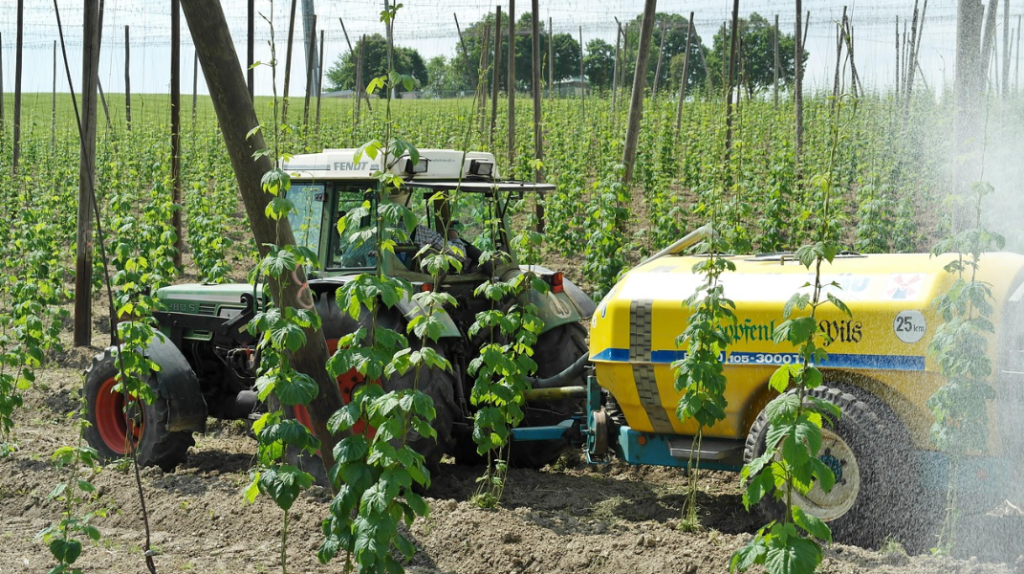
Agriculture remains one of Zimbabwe’s most important recovery opportunities. The country has fertile land, established farming knowledge, and access to regional food markets. With improved irrigation, financing, mechanisation, and storage infrastructure, agricultural production could expand significantly.
We see opportunities in grain cultivation, horticulture, livestock, seed production, farm equipment, cold-chain logistics, and food processing. Agro-processing is particularly attractive because it can reduce post-harvest losses and increase the value of locally produced commodities.
However, agricultural investment is exposed to drought, erratic rainfall, land-tenure uncertainty, and restricted foreign ownership of rural land. Projects focused on irrigation, water efficiency, renewable energy, and climate-resilient farming may be better positioned to manage these risks.
Mining and Mineral Value Chains
Zimbabwe’s mineral resources provide one of the strongest foundations for long-term investment. The country has commercially valuable deposits of gold, platinum, diamonds, lithium, chrome, and coal. Demand for precious metals and minerals used in battery and clean-energy technologies has increased international interest.
From an advisory perspective, the opportunity extends beyond extraction. Mineral processing, engineering services, equipment leasing, transport, energy provision, and environmental management can offer attractive entry points. These activities may involve lower geological risk while benefiting from mining expansion.
Investors must still assess licensing, royalties, export rules, taxation, community obligations, and foreign exchange controls. Strong compliance systems and transparent engagement with local authorities are essential.
Tourism and Hospitality Potential
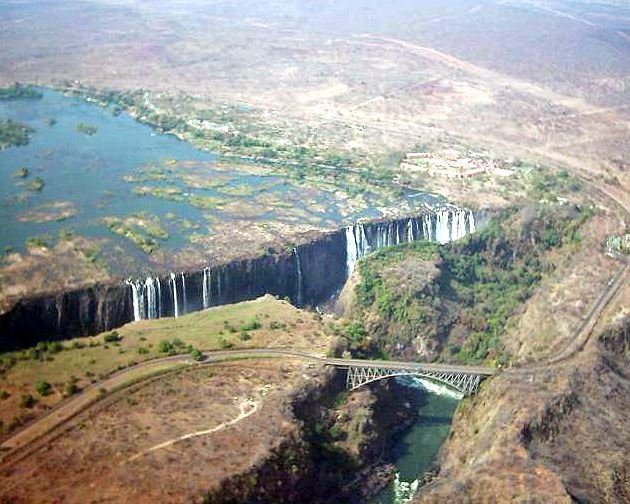
Zimbabwe’s tourism sector remains underdeveloped relative to the quality of its natural assets. Victoria Falls is the country’s best-known attraction, but national parks, wildlife, cultural heritage, and adventure tourism broaden the investment proposition.
Potential areas include hotels, eco-lodges, tour operations, aviation services, visitor transport, conference facilities, and conservation-linked businesses. Recovery will depend on reliable infrastructure, marketing, safety perceptions, and air connectivity.
We believe investors offering high service standards, responsible environmental practices, and regional travel packages may be well placed to benefit from future growth.
Business Ownership and Market Entry
Zimbabwe has eased some previous restrictions on foreign ownership. In many sectors, a company may be fully foreign-owned, although at least one director must generally be Zimbabwean. This is a notable improvement from earlier indigenisation requirements.
Real-estate rules remain more restrictive. Foreign investors may hold urban property interests, but rural agricultural land usually requires special permission or a substantial approved investment. Before acquiring assets, investors should conduct title searches, confirm land rights, and obtain legal advice.
Market entry may be achieved through a locally registered subsidiary, joint venture, distribution agreement, or strategic partnership. The appropriate structure will depend on the sector, capital exposure, and desired level of operational control.
Incentives and Operating Risks
Special Economic Zones may offer incentives such as temporary corporate tax exemptions, reduced tax rates, duty-free capital-equipment imports, and accelerated allowances. These benefits can strengthen project returns, but investors should confirm eligibility and enforcement before including them in financial models.
Major operating risks include power shortages, slow bureaucracy, exchange-rate volatility, infrastructure weakness, and skilled-worker migration. Businesses should maintain contingency reserves, diversify suppliers, secure backup energy, and reduce excessive dependence on local currency revenues.
Business Culture and Strategic Positioning
English is widely used in commercial settings, which supports negotiations and documentation. Zimbabwean organisations can be hierarchical, with major decisions concentrated among senior leaders. Respect for experience, title, and established authority is important when building relationships.
Our overall view is that Zimbabwe should be approached as a long-term strategic market rather than a low-risk destination. Investors with patient capital, robust controls, strong local insight, and flexible operating models may find meaningful opportunities in sectors where underlying demand remains strong. Success will depend on disciplined execution, realistic risk pricing, and continuous monitoring of political and economic conditions.

FAQs about Investing in Zimbabwe
Why should investors consider Zimbabwe?
Zimbabwe offers significant opportunities through its mineral wealth, agricultural potential, skilled workforce, and globally recognised tourism attractions. However, investors must carefully evaluate the country’s economic, political, and regulatory risks.
Which sectors offer the strongest investment opportunities?
Mining, agriculture, tourism, food processing, renewable energy, logistics, and infrastructure services present some of the most promising opportunities for investors seeking long-term market growth.
Read More: Africa Corporate Tax Rates 2026: Complete Country Comparison, Trends, And Investment Insights
Why is mining attractive in Zimbabwe?
Zimbabwe has valuable deposits of gold, platinum, lithium, diamonds, chrome, and coal. Opportunities also exist in mineral processing, equipment supply, transportation, engineering, and environmental services.
Can agriculture support Zimbabwe’s economic recovery?
Yes. Zimbabwe has fertile land, experienced farmers, and access to regional food markets. Investment in irrigation, mechanisation, storage, climate-smart farming, and agro-processing could significantly improve agricultural productivity.
What are the main risks facing foreign investors?
Key risks include inflation, exchange-rate volatility, policy uncertainty, power shortages, bureaucratic delays, infrastructure limitations, foreign currency constraints, and occasional political instability.
Can foreign investors fully own companies in Zimbabwe?
Foreign investors may generally own 100% of a company in many sectors. However, at least one director may need to be Zimbabwean, and certain industries can have additional ownership or licensing requirements.
Are investment incentives available?
Businesses operating in approved Special Economic Zones may qualify for tax concessions, duty-free capital equipment imports, reduced corporate tax rates, and accelerated investment allowances.
What opportunities exist in tourism?
Victoria Falls, wildlife reserves, national parks, cultural heritage sites, and adventure tourism create opportunities in hotels, eco-lodges, transport, tour operations, aviation, and conference facilities.
How can investors manage Zimbabwe’s operating risks?
Investors should conduct detailed due diligence, secure legal advice, diversify suppliers, maintain financial reserves, arrange backup power, protect foreign currency exposure, and build reliable local partnerships.
What type of investor is best suited to Zimbabwe?
Zimbabwe is better suited to patient investors with strong risk-management systems, flexible operating models, local market knowledge, and the capacity to withstand economic and regulatory uncertainty.