
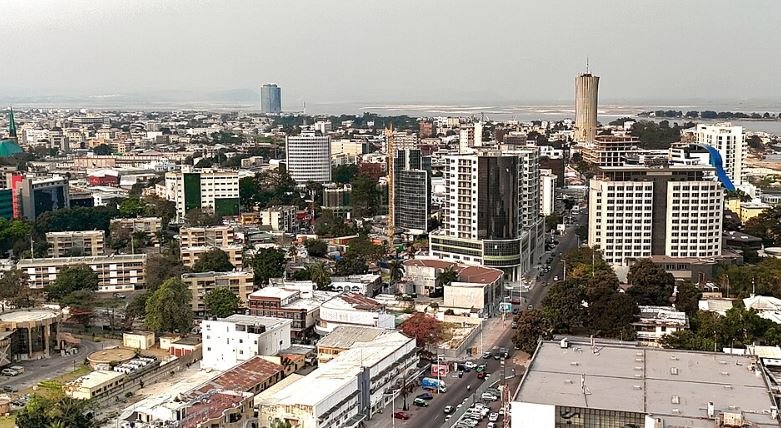
At Streamline Africa, we assess investment opportunities by looking beyond headline growth figures. Strong returns depend on market size, policy direction, infrastructure, private-sector depth, valuation discipline, and the ability of businesses to scale sustainably.
Africa should not be approached as a single investment destination. Each country presents its own balance of opportunity, risk, institutional capacity. The most attractive markets are therefore not always the fastest-growing economies, but those where reform momentum, business activity, investor access, and execution conditions are aligned. This approach allows investors to distinguish temporary momentum from durable opportunity while identifying sectors where capital, expertise, and operational support can generate measurable commercial value consistently over time.
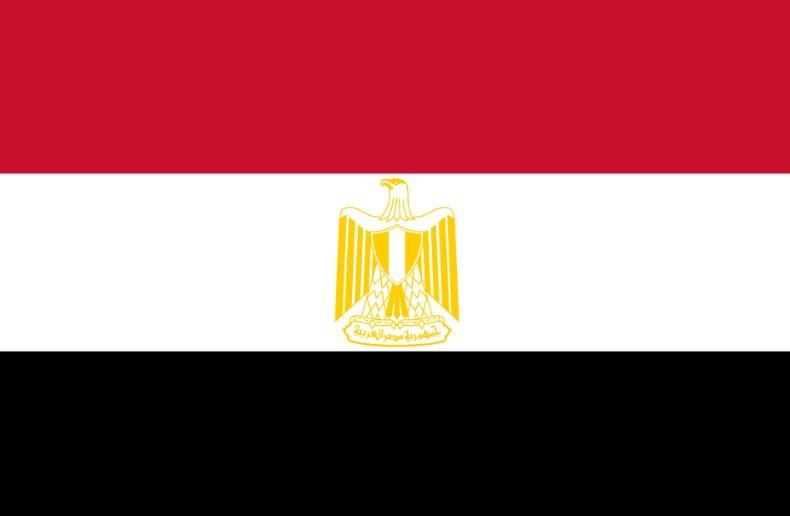
Egypt Offers Scale and Structural Ambition
Egypt remains one of Africa’s most strategically important markets. Its population of more than 120 million gives companies access to a vast domestic customer base, enabling many businesses to grow without relying immediately on cross-border expansion.
The country has invested heavily in transport, logistics, energy, industrial zones, and urban development. These projects are improving connectivity. From an advisory perspective, Egypt is attractive for investors targeting consumer goods, financial services, healthcare, manufacturing, logistics, and technology-enabled businesses.
However, currency pressure, debt exposure, and operating complexity remain important considerations. The market offers scale, but investors still require disciplined sector selection and careful execution.
Nigeria’s Reforms Could Restore Confidence
Nigeria continues to attract attention because of its population and entrepreneurial depth. Recent reforms, including fuel subsidy removal and changes to the foreign-exchange regime, have created considerable short-term pressure, but they also address structural distortions.
The key question is whether these measures will lead to greater policy consistency, improved foreign-exchange liquidity, and a more predictable business environment. Nigeria’s size remains difficult to ignore, particularly in financial services, consumer products, agribusiness, energy, logistics, and digital infrastructure.
At Streamline Africa, we view Nigeria as a high-potential market requiring patience and strong risk controls.
Côte d’Ivoire Provides West African Momentum
Côte d’Ivoire has become one of West Africa’s most attractive investment destinations. Its growth has been supported by infrastructure spending, agricultural exports, rising consumption, and expanding industrial activity.
Its position as the world’s leading cocoa producer also creates opportunities beyond raw commodity exports. Investors can explore processing, packaging, warehousing, agricultural technology, logistics, and value-added manufacturing.
Abidjan’s position as a regional commercial hub further strengthens the country’s appeal. For companies seeking access to Francophone West Africa, Côte d’Ivoire offers a combination of growth, connectivity, and private-sector development.
South Africa Rewards Institutional Experience
South Africa’s growth outlook may be restrained, but its investment environment remains among the continent’s most sophisticated. The country offers deep capital markets, established legal frameworks, and a mature private equity industry.
These strengths support opportunities in corporate carve-outs, restructuring, technology, renewable energy, healthcare, and financial services. Investors can also identify established businesses.
Weak growth, infrastructure constraints, and policy uncertainty remain challenges. South Africa continues to appeal to investors who value institutional depth, corporate experience, and operational capability.
Read More: South Africa’s Rail Liberalisation Creates a Rare Investment Window
East Africa Is Being Reshaped by Connectivity
Kenya and Tanzania continue to offer investment potential. Kenya remains a leading financial, technology, and business-services centre, with opportunities in fintech, logistics, healthcare, agriculture, and consumer industries.
Tanzania’s prospects are increasingly tied to infrastructure investment. Railway development connecting Dar es Salaam with inland markets and neighbouring countries could reduce freight costs and improve regional trade.
The wider East African opportunity lies in businesses capable of serving several markets rather than depending on one national economy.
Morocco Combines Stability With Higher Prices
Morocco offers stability, industrial capability, strong European trade links, and expertise in automotive production, renewable energy, tourism, logistics, and export manufacturing.
Preparations for the 2030 FIFA World Cup are expected to accelerate infrastructure and commercial investment. Yet investor demand is also pushing valuations higher.
Our view is that Morocco remains attractive, but price discipline is essential.
Opportunity Requires More Than Economic Growth
At Streamline Africa, we believe the strongest African investment markets are those where growth, scale, reform, infrastructure, and private-sector readiness converge.
Egypt, Nigeria, Côte d’Ivoire, South Africa, Kenya, Tanzania, and Morocco each offer compelling opportunities, but each requires a different strategy. Investors who combine local intelligence with disciplined valuation and realistic risk assessment will be best positioned to turn Africa’s long-term growth potential into sustainable returns.
Frequently Asked Questions
Which African market offers the greatest investment scale?
Egypt stands out because of its large population, expanding infrastructure, and broad consumer market, allowing businesses to achieve significant growth within a single country.
Why is Nigeria attracting renewed investor interest?
Recent economic reforms, including fuel subsidy removal and foreign exchange liberalization, have improved the country’s long-term investment outlook despite short-term challenges.
What makes Côte d’Ivoire an attractive destination?
Its consistent economic growth, strong agricultural sector, and expanding manufacturing and logistics industries make it one of West Africa’s most promising investment markets.
Is South Africa still worth investing in despite slow growth?
Yes. South Africa offers sophisticated financial markets, experienced corporate leadership, and a well-developed private equity ecosystem that continue to attract investors.
Why are Kenya and Tanzania important for East African investments?
Kenya is a regional hub for finance and technology, while Tanzania’s infrastructure projects and transport investments are expected to strengthen regional trade and economic integration.
What is the main investment challenge in Morocco?
Although Morocco remains politically stable and economically diversified, rising asset valuations mean investors must be more selective to secure attractive returns.
Does rapid economic growth always create good investment opportunities?
Not necessarily. Strong GDP growth should be supported by an active private sector, stable regulations, and accessible investment opportunities to deliver sustainable returns.
How should investors evaluate African markets?
Successful investors should consider market size, government reforms, infrastructure quality, business environment, private-sector maturity, and valuation rather than relying solely on growth statistics.
Why is local market knowledge important in Africa?
Understanding local regulations, industry dynamics, and political developments helps investors identify risks early and uncover opportunities that may not be visible through economic data alone.
What is Streamline Africa’s investment philosophy?
Streamline Africa believes successful investing combines rigorous market research, disciplined valuation, strategic sector selection, and long-term partnerships to generate sustainable returns across the continent.