
Latest posts
-
Understanding the Purpose of the Balanced Scorecard
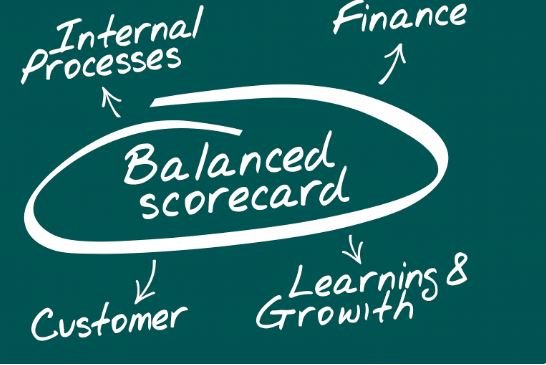
Many organizations want a clear way to understand how well they are performing, but financial results alone cannot reveal the full picture. Modern businesses operate in environments where customer expectations rise quickly, competition evolves, and innovation becomes essential. The Balanced Scorecard, commonly known as the BSC, was developed to respond to these realities by offering…
-
Understanding the PLUS Model for Ethical Choices in Ghanaian Workplaces

Ethical challenges arise in every organization, and in Ghana’s fast-growing business environment—where family values, community expectations, and professional standards often intersect—making the right call requires clarity. Many institutions rely on structured tools to support fair and responsible choices. One such tool is the PLUS model, a framework that guides individuals to examine decisions through four…
-
Why High-Performance CFOs Are Now the Engines of Digital and Strategic Growth

The role of the Chief Financial Officer is undergoing one of the biggest shifts in its history. Across industries, companies are rethinking how they operate, and finance leaders are right in the middle of that transformation. The first half of 2025 alone saw an unusually high turnover in CFO positions, with dozens of new leaders…
-
E-2 Investor Visa Guide: The Best Business Paths to Launch, Buy, or Expand in the U.S.

For many global entrepreneurs, the idea of doing business in the United States represents more than geographic expansion—it symbolizes access to a vast, innovative, and highly competitive marketplace. The E-2 Treaty Investor visa is one of the most practical ways for qualified individuals from treaty countries to establish and run a business in the U.S.…
-
Mastering the Business Model Canvas: A Complete Guide to Building Powerful, High-Impact Business Strategies

The business model canvas is a widely used strategic tool that helps companies understand how their operations, customers, and financial systems fit together. Instead of long written documents, this tool offers a simple visual layout that captures how a business delivers value, earns revenue, and manages its essential resources. Many organisations use it during planning…
-
Your Roadmap to Winning Business Loans: A Proven Guide to Secure the Funding You Need

Every thriving business eventually reaches a point where additional funding is essential. Whether it’s to launch a new venture, bridge a financial gap, or scale operations, loans can be a lifeline. However, navigating the business loan application process can be complex, particularly for first-time borrowers. This guide walks you through every step of the process,…
-
Solopreneurs Don’t Have to Do It Alone: Learning to Trust the Process of Delegation

A close friend of mine recently launched a creative studio and immediately found herself sitting in meetings with major brands she had admired for years. Within weeks, her inbox was full of project requests, collaboration offers and follow-up calls. Every sign pointed to success. Yet behind the scenes, she felt like she was barely keeping…
-
Why Ghanaian Businesses Miss Targets—and How Pipeline Integrity Fixes It

Sales leaders in Ghana often point to economic swings, fluctuating exchange rates or demand shifts as the reason revenue targets slip. But uncertain conditions alone aren’t what cause missed numbers. The real issue is usually deeper: an undisciplined pipeline that doesn’t reflect actual buyer behaviour on the ground. The teams that consistently meet their forecasts—whether…
-
Why Broken Incentives Are Silently Sabotaging Your Business Growth

The Silent Incentives That Quietly Undermine Business Growth Across countless boardrooms and leadership meetings, one pattern keeps resurfacing: companies pour enormous effort into building strategies, outlining ambitious targets and mapping out future milestones, yet treat incentives like an afterthought. It’s an odd contradiction, considering that incentives—when designed well—act as the engine that guides behavior, strengthens…
-
Above-the-Line Costs Explained: How Smart Businesses Boost Profits by Managing Core Expenses

In business finance, above-the-line costs refer to the expenses a company incurs directly to generate revenue. These costs appear above the “line” that separates operational earnings from non-operating items on a company’s income statement. The “line” may represent gross profit for manufacturers or operating income for service-based businesses. Above-the-line costs typically include expenses like raw…