
Latest posts
-
Fiscal Year: Meaning, Benefits, Tax Impact, and Why Businesses Use It

A fiscal year is the twelve-month period an organization uses to measure performance, prepare budgets, organize accounts, and report results. It does not have to begin on January 1 or end on December 31. Instead, it can be arranged around the way an organization actually operates. This is why companies, schools, charities, and public institutions…
-
How to Choose the Right Fiscal Year for Your Business

Selecting a fiscal year may seem like a minor administrative step when a company is focused on customers, sales, hiring, suppliers, and cash flow. Yet this decision shapes how the business measures performance, prepares taxes, compares results, and explains its position to owners, lenders, and investors. A fiscal year is not only a reporting period.…
-
Professional Development as a Strategic Lever for Small Business Growth

For small and mid-sized enterprises, workforce capability is no longer a secondary consideration. It is a direct driver of productivity, service quality, operational resilience, and long-term competitiveness. In increasingly dynamic markets, businesses that rely only on existing employee skills may struggle to respond to changing customer expectations, new technologies, and evolving industry standards. Professional development…
-
How the Right Accountant Can Transform Your Business Growth, Cash Flow, and Financial Confidence

Many people start businesses because they are skilled at something else. A baker understands flavour, a designer understands emotion, and a logistics founder understands speed. Few entrepreneurs begin with a love for tax codes, payroll obligations or compliance deadlines. Yet these details can decide whether a business grows or struggles. A company may have loyal…
-
Understanding the Law of Demand: A Practical Economic Principle for Decision-Makers
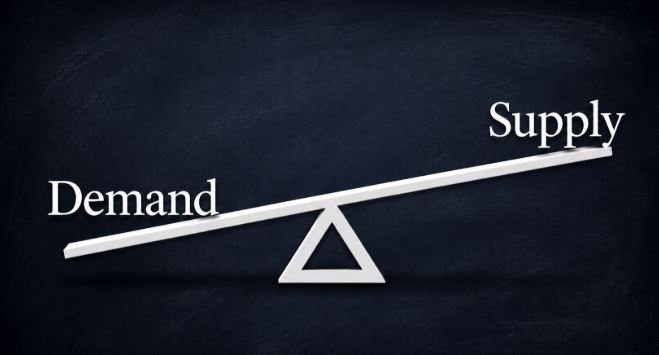
The law of demand is one of the most important principles in economics because it explains how buyers generally respond to changes in price. In simple terms, when the price of a good or service rises, consumers usually purchase less of it. When the price falls, they usually purchase more. This relationship is central to…
-
Microeconomics as a Practical Framework for Better Market Decisions
In today’s business environment, decision-makers are under constant pressure to allocate resources wisely, respond to changing customer behavior and remain competitive in markets that shift quickly. While macroeconomic issues such as inflation, exchange rates and national growth often receive the most attention, many of the decisions that determine business performance happen at the micro level.…
-
Why Inflation Belongs In Every Business Financial Plan

Plan Before Prices Force Your Hand When Leila Mensah opened a bakery in Tamale, her first budget focused on flour, packaging, wages and rent. She knew prices could change, but inflation felt like weather she hoped would pass. For months, she absorbed increases in butter, delivery fuel and paper boxes because she did not want…
-
How Businesses Can Manage Rising Costs Without Raising Prices Or Losing Customer Trust

When business expenses climb, many owners feel boxed into one move: raise prices. It can appear logical, especially when rent, wages, shipping, energy and materials are all moving upward. Yet customers are also under pressure. A company that reacts too quickly may protect today’s margin but weaken tomorrow’s loyalty. A better response is to treat…
-
Employee Burnout: Why It Hurts Productivity, Retention, And Workplace Culture

Employee burnout is more than a stressful week or a demanding project. It is what happens when pressure continues for so long that a person’s energy, motivation, health, and confidence begin to wear down. A burned-out employee may still report to work, attend meetings, reply to emails, and complete assignments, but the spirit behind the…
-
Why Ghana Is One of Africa’s Best Investment Destinations for Long-Term Business Growth

For investors looking at Africa with a long view, Ghana stands for reasons beyond natural resources or market size. It has built a reputation for political calm, institutional growth and openness to private enterprise. While every market carries risks, Ghana offers stability, talent, infrastructure and access for firms seeking a West African base. Ghana’s appeal…