
Latest posts
-
Latest Senegal Personal Income Tax Rates: Complete Guide to PAYE, Tax Brackets, Withholding Tax and Exemptions

Senegal’s progressive personal income tax system considers an individual’s earnings, residency status, and family circumstances. Residents generally face taxation on worldwide income, while employment income may attract Senegalese tax when duties are performed locally or remuneration originates from an employer established in the country. For professionals working in Dakar, Thiès, or Saint-Louis, understanding these obligations…
-
Rwanda’s Latest Personal Income Tax Rates

Just like several other nations, Rwanda operates a progressive personal income tax system designed to distribute tax obligations according to individual earnings. Employees, entrepreneurs, investors, and professionals earning income within this Eastern African country must understand how residency and income sources influence their tax responsibilities. Tax Obligations for Residents and Non-Residents Individuals classified as Rwandan…
-
Nigeria Personal Income Tax Rates: Latest PAYE Bands, Tax Exemptions and Tax Reform Guide

In Nigeria, tax residents are generally required to declare income generated both within Nigeria and overseas, while applicable relief provisions help prevent excessive taxation. Where foreign earnings have already been taxed abroad, qualifying residents may claim a credit against their Nigerian tax liability. This arrangement reduces the possibility of paying tax twice on the same…
-
Personal Income Tax Rates in Namibia

In Namibia individuals generally pay income tax on earnings generated within the country, regardless of their nationality or residential status. Income originating outside Namibia is ordinarily excluded unless legislation specifically treats it as Namibian-sourced. For example, a Kenyan engineering consultant providing services at a mining operation near Rosh Pinah may incur Namibian tax obligations on…
-
Mozambique Personal Income Tax: Regulatory Framework, Tax Rates and Compliance Considerations
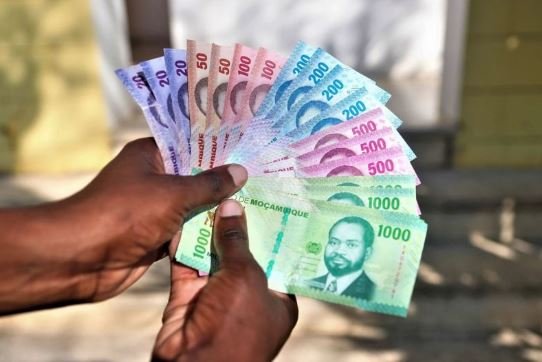
Mozambique maintains a residency-based personal income tax regime that establishes different obligations for resident and non-resident individuals. Tax residents are generally liable on their worldwide income, while non-residents are assessed exclusively on income originating from Mozambican sources. Taxable earnings encompass employment remuneration, professional services, commercial activities, rental income, investment proceeds, commissions, and capital gains. Individuals…
-
Morocco’s Personal Income Tax Guide: Latest Rates, Residency Rules and Compliance Considerations

Morocco operates a progressive individual income tax system, which is designed to align tax obligations with taxpayers’ earnings and residency status. Its important, that individuals receiving employment income, professional earnings or other taxable income must assess their obligations under the country’s Individual Income Tax (IIT) framework. For businesses operating in Morocco, understanding these requirements is…
-
Mauritius’ Latest Personal Income Tax Rates: Tax Brackets, Residency Rules and Fair Share Contribution Explained

When it comes to personal income tax in Mauritius, the country’s system primarily distinguishes between residents and non-residents while applying progressive rates to taxable earnings. For employees, entrepreneurs, investors, and foreign professionals, understanding these obligations is essential for financial planning and regulatory compliance. Tax Obligations for Residents and Non-Residents Individuals earning income from activities conducted…
-
Madagascar Personal Income Tax Rates: IRSA Tax Brackets, Salary Calculations and Business Tax Guide

Madagascar maintains separate tax arrangements for employment earnings and income generated through business activities. Understanding these distinctions is essential for individuals, entrepreneurs, and foreign investors seeking to manage their tax obligations effectively. Employment income falls under the Salary and Related Income Tax (IRSA), while income from commercial activities is generally assessed through Business Income Tax…
-
Libya’s Latest Personal Income Tax Rates: Salary Thresholds, Deductions and Examples

Libya’s personal income tax system focuses on earnings generated through employment within the country. For example, an employee working for a construction company in Tripoli may be liable for personal income tax on their Libyan employment income, regardless of whether they are Libyan or a foreign national. The rules distinguish employment earnings from other sources…
-
Liberia Personal Income Tax Guide: Latest Tax Rates, Income Brackets and Non-Resident Rules

Liberia’s personal income tax system requires individuals to pay tax on qualifying earnings received during a designated tax period. The rules apply to resident individuals, including sole proprietors and business partners. Tax liability is determined by calculating taxable income after subtracting permitted deductions and excluding income items specifically exempted under the country’s Revenue Code. For…