
The Average Payment Period (APP) is a financial measurement that shows the typical amount of time a business takes to settle payments owed to suppliers, vendors, or other creditors. It helps companies understand how effectively they manage their short-term obligations and how long they keep cash available before paying for goods and services already received.
When a business purchases inventory, materials, or services on credit, the supplier usually allows payment at a later date. Until the company pays the outstanding invoice, the unpaid amount is recorded as accounts payable on the balance sheet. The Average Payment Period measures the number of days these unpaid obligations remain outstanding before they are cleared.
This ratio is an important part of working capital management because it reveals how a company balances supplier relationships with cash flow needs. A company that pays too quickly may reduce the amount of cash available for daily operations, while a company that delays payments excessively could damage supplier trust.
Why the Average Payment Period Matters
The Average Payment Period gives business owners, managers, and investors insight into how efficiently a company handles its supplier payments. It helps evaluate whether a business is using its available credit effectively and whether its payment habits align with industry expectations.
A longer payment period can sometimes be beneficial because it allows a company to hold onto cash for a longer time. This extra liquidity can be used for expansion, inventory purchases, marketing, or other operational needs. However, a very long payment cycle may suggest financial difficulties if the company is struggling to pay its bills on time.
On the other hand, a shorter payment period can indicate strong financial health and reliable payment practices. However, paying suppliers earlier than necessary may limit cash availability and reduce the advantage of using supplier credit.
Therefore, the ideal Average Payment Period depends on the company’s industry, supplier agreements, financial position, and overall business strategy.
Understanding Accounts Payable in APP Calculation
Accounts payable is the foundation of the Average Payment Period calculation. It represents money a company owes to suppliers for goods or services received but not yet paid for.
For example, if a company receives raw materials worth $50,000 from a supplier with a 60-day payment agreement, the company records the amount as accounts payable until payment is made.
The accounts payable balance appears as a current liability on the balance sheet because businesses usually expect to settle these obligations within a short period, often within one year.
Since purchases happen throughout the year, using only the ending accounts payable figure may not always provide the most accurate picture. Instead, companies often calculate the average accounts payable balance by considering both the opening and closing balances.
The formula is:
Average Accounts Payable = (Beginning Accounts Payable + Ending Accounts Payable) ÷ 2
Using an average balance creates a better comparison because purchases occur over an entire accounting period rather than on a single day.
How to Calculate the Average Payment Period
Calculating APP involves comparing the average amount owed to suppliers with the company’s daily credit purchases.
The formula is:
Average Payment Period = Average Accounts Payable ÷ (Credit Purchases ÷ Number of Days in the Period)
The calculation usually follows three main steps.
First, determine the average accounts payable by adding the accounts payable balance at the start of the period to the balance at the end of the period, then dividing the total by two.
Second, calculate the company’s average daily credit purchases by dividing total credit purchases by the number of days in the accounting period. Most annual calculations use either 365 days or, in some financial models, 360 days.
Finally, divide the average accounts payable balance by the daily credit purchase amount. The result represents the estimated number of days the company takes to pay its suppliers.
Read Also: What is the Average Collection Period? A Complete Guide to Measuring Receivables Efficiency
Example of an Average Payment Period Calculation
Assume a company has an accounts payable balance of $30,000 at the beginning of the year and $40,000 at the end of the year. During the same year, the company made $150,000 worth of purchases using supplier credit.
The first step is finding the average accounts payable:
Average Accounts Payable = ($30,000 + $40,000) ÷ 2
Average Accounts Payable = $35,000
Next, calculate daily credit purchases:
Daily Credit Purchases = $150,000 ÷ 365
Daily Credit Purchases = approximately $411
Now divide the average accounts payable by daily purchases:
Average Payment Period = $35,000 ÷ $411
Average Payment Period = approximately 85 days
This means the company takes about 85 days, on average, to pay its suppliers.
What Is Considered a Good Average Payment Period?
There is no universal APP number that works for every company. A suitable payment period depends on factors such as the business sector, supplier contracts, company size, and bargaining power.
Large businesses with strong purchasing influence often negotiate longer payment terms because suppliers value their continued business. These companies may have the ability to request extended payment deadlines without harming relationships.
Businesses with high order volumes, regular purchases, and long-term supplier partnerships often receive more flexible payment conditions. Suppliers may offer favorable terms because maintaining the relationship is valuable.
Smaller companies may have shorter payment periods because suppliers may require quicker settlement or stricter credit arrangements. This does not necessarily indicate poor performance; it may simply reflect their negotiating position.
The key is maintaining a payment cycle that supports cash flow while keeping suppliers confident in the company’s reliability.
Relationship Between Payment Period and Cash Flow
The Average Payment Period directly affects a company’s cash management. When a company takes longer to pay suppliers, it keeps cash available for a longer time. This can improve short-term liquidity and provide flexibility in managing expenses.
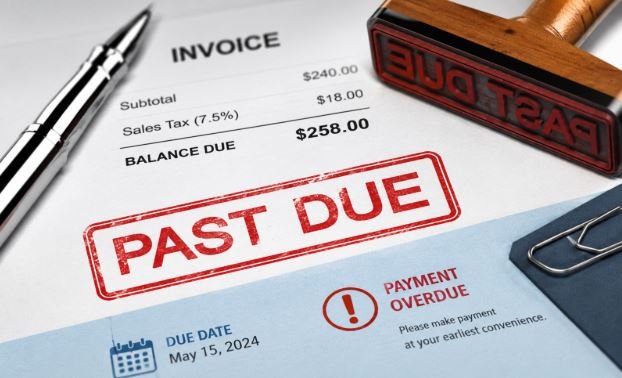
However, extending payment times beyond agreed terms can create problems. Suppliers may reduce credit limits, charge penalties, or refuse future credit arrangements. In some cases, poor payment habits can affect the company’s reputation.
A balanced approach is important. Businesses should aim to maximize the benefits of supplier credit while respecting payment agreements and maintaining strong supplier relationships.
Using APP for Business Analysis
Financial analysts often compare the Average Payment Period across different years or against competitors within the same industry. Changes in APP can reveal important trends.
If APP increases significantly, it may mean the company has improved its ability to negotiate better payment terms. Alternatively, it could indicate cash flow problems if payments are being delayed because of financial pressure.
If APP decreases, it may show improved supplier relationships and stronger financial discipline. However, it could also mean the company is using cash too quickly and reducing available working capital.
APP becomes more useful when reviewed alongside other financial measures, such as inventory turnover and accounts receivable collection periods.
Final Thoughts on Average Payment Period
The Average Payment Period is a valuable tool for understanding how a business manages supplier obligations and short-term cash resources. By measuring the average time taken to pay vendors, companies can identify opportunities to improve working capital efficiency.
A well-managed payment period helps businesses maintain healthy supplier relationships, protect cash flow, and operate more effectively. While a longer payment period can provide financial flexibility, it must be balanced with responsible financial management and trust between the company and its suppliers.
Important Questions And Answers
Why Is The Average Payment Period Important?
APP helps businesses understand their cash flow position and supplier payment habits. It shows whether a company is paying too quickly, maintaining good payment practices, or delaying payments for too long.
How Is The Average Payment Period Calculated?
The Average Payment Period is calculated by dividing average accounts payable by daily credit purchases. The formula helps determine the typical time required to settle supplier invoices.
Why Is Average Accounts Payable Used Instead Of Ending Accounts Payable?
Using average accounts payable gives a more accurate view because purchases and payments happen throughout the year. It balances the beginning and ending figures instead of relying on one point in time.
Is A Longer Average Payment Period Always Better?
Not necessarily. A longer APP can improve cash availability, but taking too long to pay suppliers may damage business relationships. The ideal period depends on industry standards and supplier agreements.
What Factors Can Influence A Company’s Payment Period?
Factors such as company size, purchasing power, supplier relationships, credit terms, and negotiation ability can affect how long a business takes to pay its vendors.
How Does APP Affect Cash Flow?
A longer payment period allows a company to keep cash longer for operations and growth. However, excessive delays may create financial pressure and reduce supplier confidence.
Can Average Payment Period Be Used To Compare Companies?
Yes. Businesses and analysts often compare APP between companies in the same industry to evaluate working capital efficiency and payment management strategies.
What Does A Changing APP Indicate?
An increasing APP may show stronger negotiation power or possible cash flow challenges. A decreasing APP may indicate faster payments, improved finances, or reduced use of supplier credit.