
Latest posts
-
Tax Planning vs. Tax Fraud: Understanding the Legal Line
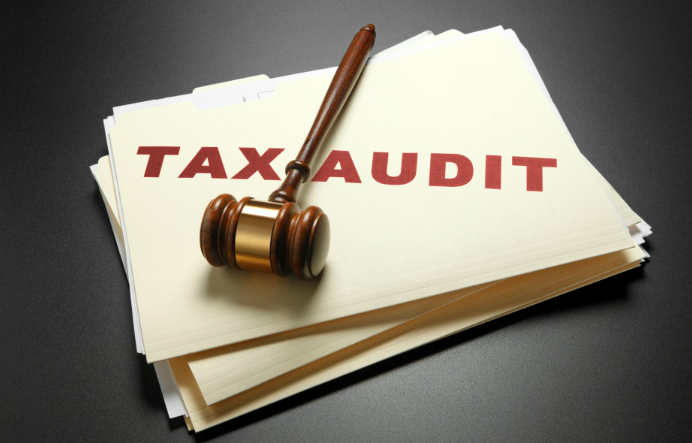
Every year, individuals and businesses face the same unavoidable reality: taxes must be paid. Yet how much tax is owed—and how that amount is calculated—depends largely on choices made throughout the year. Some of those choices are encouraged by law. Others can cross a dangerous legal boundary. Understanding the difference between lawful tax planning and…
-
What is Chartalism?

Chartalism is a school of thought in macroeconomics that interprets money primarily as an instrument of public authority rather than a spontaneous outcome of private exchange. Under this view, money exists because a governing power designates a unit of account, issues tokens denominated in that unit, and then requires the population to use those tokens…
-
Ghana’s Real Estate Boom: What Global Property Leaders Can Learn From An Emerging Market

From my perspective, Ghana demonstrates how real estate can become a powerful catalyst for national development when policy ambition, private capital and demographic momentum converge. The country’s property market is not yet as mature as those of long-established global hubs, but its trajectory reveals important lessons about growth, discipline and system design—lessons that resonate far…
-
How Outdated Accounting Systems Quietly Undermine Business Growth And Profitability

As organizations evolve, their financial infrastructure must evolve with them. Yet many businesses continue to rely on accounting approaches designed for a very different era—paper-heavy workflows, disconnected spreadsheets and aging desktop software. Over the years, while advising mid-sized firms across the Midwest and Southeast United States, I have seen how these legacy methods slowly but…
-
How Smart Businesses Build Powerful Partnerships With Professional Accounting Firms

Professional accounting firms play a far broader role than filing returns or closing the books at year-end. When used correctly, they can act as long-term partners who strengthen decision-making, protect cash flow, and help leadership teams plan with confidence. Many businesses begin their journey relying solely on an internal finance function, only to discover that…
-
10 Practical Ways Managers Can Champion Employee Career Growth

Career growth doesn’t happen by accident. In healthy organizations, it’s deliberately nurtured through everyday leadership decisions, honest conversations, and systems that encourage people to stretch beyond their current roles. While employees are responsible for owning their ambitions, managers play a defining role in whether those ambitions feel possible or quietly fade away. Across offices in…
-
Ghana Bans Bearer Shares: What Companies Must Know About Ownership Transparency

Ghana’s corporate regulatory framework clearly rejects anonymous ownership structures, with the national company registry formally prohibiting the issuance, holding, and transfer of bearer shares. The regulator has cautioned companies that any reliance on such instruments is unlawful and may attract sanctions under existing company law. The prohibition applies broadly to all companies incorporated, registered, or…
-
Bearer Shares Explained: Ownership, Privacy, Risks, And Why They’re Disappearing

Bearer shares occupy a curious and controversial place in the history of corporate ownership. Once widely used across parts of Europe, Latin America, and offshore financial centers, they promised something many investors valued deeply: anonymity. Unlike most modern securities, bearer shares do not tie ownership to a named individual or institution in a public register.…
-
The Boomer Effect Explained: How Baby Boomers Continue To Reshape The Global Economy
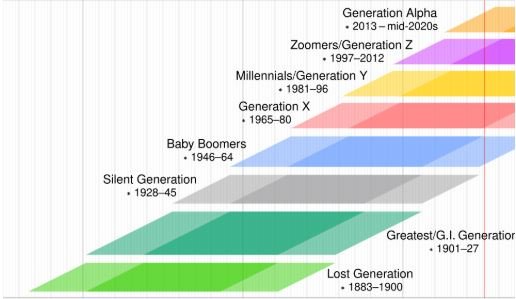
The term “boomer effect” has become a fixture in economic discussions because it captures how one unusually large generation continues to influence financial systems long after its peak working years. The cohort commonly referred to as baby boomers, born in the years following World War II through the mid-1960s, is now moving collectively into later…
-
What the Unemployment Rate Really Measures—and Why It Matters

Understanding how many people are without work is one of the most basic ways economists evaluate the strength of an economy. Yet the unemployment rate is often misunderstood, oversimplified, or taken out of context. Behind the headline figure is a carefully defined measurement system designed to capture labor market conditions with consistency over time. This…