
Latest posts
-
Tanzania Corporate Tax Guide: Rates, Business Incentives And Minimum Tax Explained
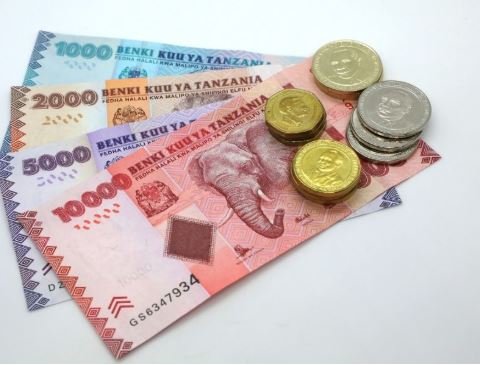
In Tanzania resident companies are taxed on earnings generated both locally and overseas. Nonresident businesses are taxed on income sourced within Tanzania. The standard corporate income tax rate is 30%, including for Tanzanian permanent establishments of foreign companies. Technical and management service providers serving mining, oil and gas businesses face a separate charge of 10%…
-
Tanzania Personal Income Tax Guide: Tax Rates, Exemptions, Residency Rules and Capital Gains
Tanzania’s personal income tax framework determines individual tax obligations according to residency status and income sources. Individuals classified as tax residents are generally subject to taxation on their worldwide earnings, while short-term residents and non-residents are taxed exclusively on income originating within Tanzania. Employment income is considered Tanzanian-sourced when services are performed locally or when…
-
Tanzania’s Business Environment: Investment Opportunities, Market Risks and Business Guide

When we talk about Tanzania, we are looking at one of East Africa’s important commercial markets. The region is supported by natural resources, agriculture, a growing population and expanding industrial activity. The country’s economic story has changed considerably since the country moved away from a heavily state-controlled system. Years of relatively steady expansion helped Tanzania…
-
Tanzania Salary and Minimum Wage Guide: Pay Rates, Overtime and Employer Compliance
Pay in Tanzania varies widely. The amount a person earns depends on the industry, type of job, location, experience and whether the work is within the formal or informal economy. Available wage estimates put the average gross salary at around TZS 650,000 per month, or about TZS 7.8 million a year. The median monthly income,…
-
Understanding Withholding Tax in Tanzania

Withholding tax is an important part of Tanzania’s corporate tax system. Instead of waiting for the person receiving income to account for all tax later, the law requires the payer to deduct tax from certain payments and remit it to the Tanzania Revenue Authority. For businesses, this means a routine payment can create an immediate…
-
Tanzania: Business Environment, Investment Risks, and Emerging Opportunities
Tanzania has become one of East Africa’s most closely watched investment destinations, combining political stability with abundant natural resources and a steadily expanding domestic market. Drawing on years of investment advisory experience and economic analysis, our consulting team has observed the country’s gradual transformation from an agriculture-dominated economy into a more diversified marketplace supported by…