
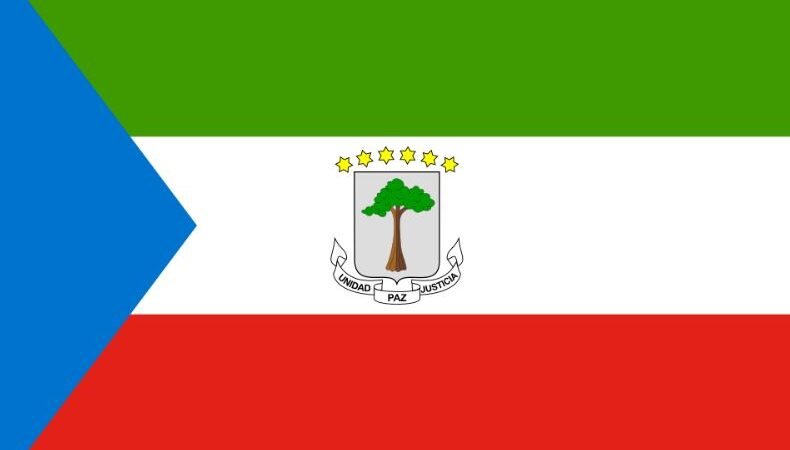
Equatorial Guinea presents a complex investment proposition defined by natural-resource wealth, concentrated political authority, and persistent institutional constraints. Located on the Atlantic coast of Central Africa and comprising mainland and island territories, the country possesses geographic advantages and a resource base capable of supporting economic development. However, its commercial environment remains shaped by state control, limited transparency, weak legal safeguards, and an economy that depends predominantly on hydrocarbons.
The political and economic landscape is closely associated with the long-standing administration of President Teodoro Obiang Nguema Mbasogo. Decision-making authority, access to public resources, and participation in strategic sectors remain concentrated within a narrow political and commercial network. This structure has restricted institutional accountability and contributed to an environment in which regulatory outcomes may be difficult to predict. Investors must therefore evaluate market entry through a comprehensive assessment of political, compliance, reputational, and execution risks.
Macroeconomic Conditions and Hydrocarbon Exposure
Equatorial Guinea’s economic expansion was historically driven by offshore oil and gas production. Hydrocarbon revenues financed infrastructure projects, strengthened public finances, and elevated national income indicators. Nevertheless, the benefits of this growth were distributed unevenly, while limited progress was made in developing a competitive and diversified private sector.
The decline of mature oil fields has weakened the country’s economic outlook. Falling production and lower export earnings have reduced fiscal space, exposed structural weaknesses, and placed pressure on the government’s capacity to sustain public expenditure. The erosion of hydrocarbon revenues now represents a significant threat to macroeconomic stability and social development.
This environment reinforces the importance of diversification. Agriculture, tourism, fisheries, logistics, energy services, and light manufacturing could provide alternative sources of growth. Unlocking these sectors will require improved governance, consistent regulation, better infrastructure, and stronger protection for private investment.
Sector Opportunities for Investors
Oil and gas will remain the principal commercial sector over the medium term. Opportunities may exist in mature-field optimisation, gas monetisation, technical services, equipment supply, maintenance, and associated infrastructure. Companies with specialist capabilities and experience in highly regulated frontier markets are likely to be best positioned.
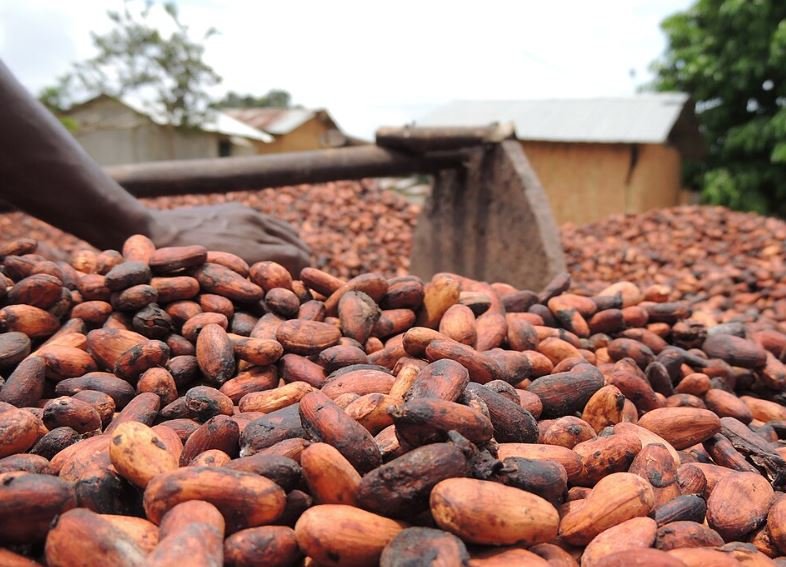
Agriculture offers a credible diversification pathway. Cocoa and coffee, historically important export commodities, could regain commercial relevance through investment in plantation rehabilitation, processing, storage, transport, quality control, and international distribution. The sector could also support rural employment and reduce reliance on imported food. Investors should, however, conduct detailed due diligence on land access, partnerships, production economics, and logistics.
Tourism remains underdeveloped despite the country’s tropical climate, Atlantic islands, beaches, forests, and biodiversity. Eco-tourism, marine tourism, and premium leisure developments may offer long-term potential. Commercial viability will depend on improved air connectivity, hospitality infrastructure, destination marketing, and more predictable administrative procedures.
Political, Regulatory, and Governance Risks
Political continuity is expected to remain a defining feature of the investment climate. The current system shows limited evidence of near-term liberalisation, while uncertainty surrounding future succession may create additional volatility. Investors should account for abrupt policy decisions, heightened security controls, and administrative intervention.
Corruption and regulatory opacity remain material concerns. Licensing, customs clearance, procurement, taxation, and dispute resolution can be slow and inconsistent. The judiciary is widely regarded as lacking sufficient independence, reducing confidence in contract enforcement and legal remedies. Strong compliance controls, contractual protections, independent legal advice, and enhanced partner screening are therefore essential.
Infrastructure quality is uneven. Facilities supporting the petroleum industry are comparatively developed, while transport, electricity, healthcare, and logistics networks outside strategic centres remain limited. These deficiencies can raise operating costs, constrain supply chains, and delay implementation.
Market Entry and Corporate Structuring
The limited liability company is generally the preferred structure for foreign investors. Local participation requirements are an important consideration, including provisions for Equatoguinean ownership and representation on company boards. The selection of local shareholders and directors should therefore be treated as a core governance and risk-management decision.
Foreign nationals are not permitted to own land directly and must generally rely on government leases. Property transactions require rigorous legal review, verification of rights, and assessment of tenure security before capital is committed.

Practical Operating Considerations
Spanish is the principal language of administration and commerce. Foreign companies should ensure that negotiations, contracts, regulatory submissions, and stakeholder engagement are supported by qualified Spanish-speaking professionals.
Security checks are common, and foreign personnel should carry valid identification and residence documentation. Companies should establish protocols covering employee movement, government interaction, crisis response, and document retention.
Healthcare standards remain limited. Expatriate employees should have comprehensive medical insurance, including emergency evacuation. Employers should assess available facilities and establish contingency arrangements before deploying personnel.
Investment Outlook
Equatorial Guinea should be regarded as a high-risk, opportunity-selective market. Its hydrocarbon base, geographic position, and underdeveloped agricultural and tourism sectors provide identifiable commercial prospects. However, success will depend on sector expertise, patient capital, disciplined compliance, robust due diligence, and the capacity to manage political and operational uncertainty. Sustainable improvement will ultimately require stronger institutions, economic diversification, and more transparent engagement with the private sector.
Frequently Asked Questions
Why Is Equatorial Guinea Considered a High-Risk Investment Market?
The country offers valuable natural resources, but weak institutions, political concentration, corruption concerns, and unpredictable administrative processes create significant risks for investors.
What Drives Equatorial Guinea’s Economy?
Oil and gas remain the main sources of export earnings and government revenue. This dependence makes the economy vulnerable to declining production and fluctuations in global energy markets.
Why Is Economic Diversification Important?
Hydrocarbon revenues are declining, making it necessary to develop alternative sectors such as agriculture, tourism, fisheries, logistics, and light manufacturing.
Which Sector Offers the Strongest Immediate Opportunities?
Oil and gas continue to provide the most established opportunities, particularly in technical services, equipment supply, maintenance, gas processing, and mature-field optimisation.
Can Agriculture Become a Major Growth Sector?
Yes. Cocoa and coffee production could be revitalised through investment in plantations, processing facilities, storage, transport, and international marketing.
What Potential Does the Tourism Industry Offer?
Equatorial Guinea’s islands, beaches, tropical forests, marine environment, and biodiversity create opportunities for eco-tourism, luxury travel, and nature-based hospitality projects.
What Are the Main Political Risks?
Political power remains highly concentrated, while uncertainty surrounding future leadership succession could create instability, policy disruption, or greater state intervention.
How Challenging Is the Regulatory Environment?
Licensing, customs procedures, taxation, procurement, and business approvals can be slow and unclear. Investors may also face limited transparency and inconsistent enforcement.
Can Foreign Investors Own Land?
Foreign nationals generally cannot own land directly. They may instead obtain leases from the government, making legal verification and tenure due diligence essential.
What Business Structure Is Commonly Used by Foreign Companies?
A limited liability company is generally preferred. Investors must also consider local ownership and board representation requirements when establishing operations.
Why Is Local Partner Selection Important?
Local shareholders and directors may influence regulatory access, governance, and operational stability. Investors should therefore conduct detailed integrity, legal, and financial checks before entering partnerships.
What Will Determine Long-Term Investment Success?
Success will depend on patient capital, strong compliance systems, sector expertise, reliable local relationships, careful risk assessment, and the ability to operate in a complex political environment.