
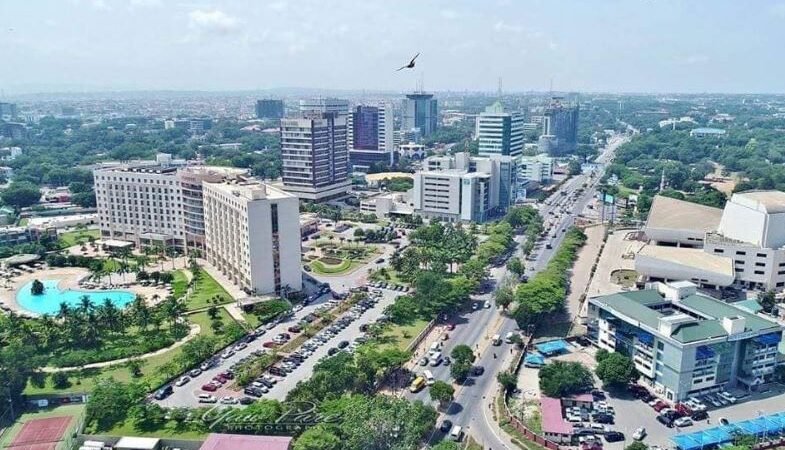
When global entrepreneur Kane, a market entry consultant operating out of Accra, advises international clients, he often highlights Ghana as one of the most promising destinations in West Africa. Drawing from years of hands-on experience guiding startups and multinational firms, he explains that Ghana offers a unique blend of stability, opportunity, and human capital. Below is a reimagined exploration of ten compelling reasons why Ghana continues to attract investors and entrepreneurs from around the world.
A Culture of Democratic Participation
At the heart of Ghana’s business appeal is its strong commitment to democratic governance. Over the years, democratic values have become deeply rooted in public institutions, creating an environment where transparency and accountability are not just ideals but expectations.
Entrepreneurs—whether local or foreign—can actively engage with regulatory frameworks, voice concerns, and propose improvements through formal channels without fear of intimidation. Institutions such as the Ghana Investment Promotion Centre play a crucial role in shaping policies that safeguard investor interests while encouraging economic participation.
This openness fosters trust, which is a critical ingredient for long-term business planning and sustainable growth.
A Dynamic and Influential Media Landscape
Ghana’s media environment has undergone a remarkable transformation since the early 1990s. Today, it stands as one of the most vibrant and independent in Africa, offering businesses a powerful platform to connect with audiences.
From widely followed radio stations to fast-growing digital news portals, the media plays a central role in shaping public discourse and consumer behavior. Companies can leverage this ecosystem for brand visibility, product promotion, and customer engagement.
Moreover, Ghana’s growing reputation as a regional technology hub—especially in cities like Kumasi—has amplified the reach of digital marketing, enabling businesses to tap into both local and international markets with ease.
Promising Economic Potential Despite Challenges
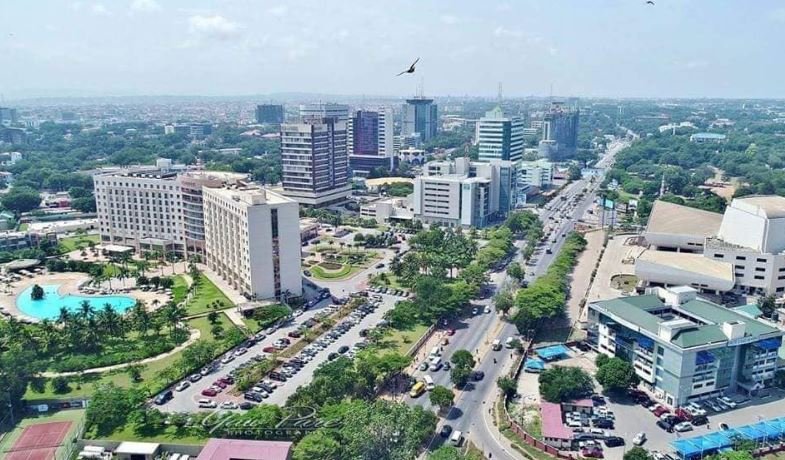
Like many emerging markets, Ghana’s economy has experienced periods of fluctuation. Issues such as inflation, currency volatility, and energy supply constraints have tested resilience in the past. However, these challenges often create opportunities for innovative businesses.
Sectors like oil and gas, agriculture, fintech, and infrastructure continue to show strong growth potential. Strategic investors who understand market cycles can position themselves to benefit from recovery phases and long-term expansion.
For example, during periods of economic adjustment, companies that provide cost-saving technologies or alternative energy solutions often see increased demand, turning challenges into profitable ventures.
A Reputation for Peace and Stability
In a region where political uncertainty can disrupt commerce, Ghana stands out as a model of stability. The country has maintained a consistent record of peaceful elections and orderly transitions of power, which is a significant advantage for investors.
Compared to other major economies in Africa, Ghana has largely avoided prolonged conflicts and widespread unrest. This stability reduces operational risks and allows businesses to focus on growth rather than crisis management.
For entrepreneurs considering regional expansion, Ghana often serves as a reliable entry point into West Africa.
A Growing Pool of Skilled Talent
Education remains a top priority in Ghana, resulting in a steadily expanding workforce equipped with relevant skills. Universities and technical institutions across cities like Cape Coast continue to produce graduates in fields ranging from engineering to business management.
This abundance of talent enables companies to recruit locally without compromising on quality. Additionally, many young professionals are eager to gain experience, making them adaptable and open to innovation.
Businesses benefit not only from affordability but also from the creativity and ambition of Ghana’s emerging workforce.
Healthy Competition Driving Innovation
Ghana’s business environment is increasingly competitive, which is a positive sign for economic vitality. As more startups and established firms enter the market, they push each other to innovate, improve efficiency, and deliver better value to customers.
Government agencies and private sector initiatives have made it easier for entrepreneurs to launch ventures, contributing to a diverse and dynamic marketplace. This competition encourages continuous improvement, ensuring that businesses remain agile and customer-focused.
For investors, this means access to a market that rewards innovation and adaptability.
Streamlined Administrative Processes
Starting and running a business in Ghana has become more straightforward over time. Efforts to digitize government services and reduce bureaucratic delays have significantly improved the ease of doing business.
While challenges such as occasional inefficiencies still exist, the overall trend is toward greater transparency and faster processing times. Entrepreneurs can now complete many registration and compliance procedures online, saving both time and resources.
This shift not only benefits new entrants but also enhances operational efficiency for established companies.
A Supportive Local Market
One of Ghana’s often-overlooked strengths is the positive attitude of its people toward business development. With unemployment still a concern, many communities welcome new enterprises as sources of jobs and economic activity.
This supportive environment can make a significant difference for startups. Local customers are often willing to try new products and services, providing valuable feedback and helping businesses refine their offerings.
In regions such as Tamale, community engagement plays a vital role in business success, highlighting the importance of building strong local relationships.
Diverse Leisure and Travel Opportunities
Work-life balance is an important consideration for modern entrepreneurs, and Ghana offers plenty of opportunities for relaxation and exploration. From coastal resorts to cultural landmarks, the country provides a rich variety of recreational experiences.
Destinations like Cape Coast Castle and the scenic landscapes of Volta Region attract both locals and expatriates seeking leisure and inspiration.
Additionally, Ghana’s connectivity within Africa has improved, making regional travel more convenient for business and networking purposes.
A Tradition of Warm Hospitality
Perhaps one of Ghana’s most defining characteristics is the genuine warmth of its people. Visitors often remark on the friendliness and openness they encounter, which can significantly ease the process of settling into a new market.
For business owners, this cultural trait translates into smoother interactions with clients, partners, and employees. Building trust becomes more natural, paving the way for long-lasting professional relationships.
Hospitality is not just a social value in Ghana—it is a practical advantage that enhances the overall business experience.
Final Thoughts
Ghana’s appeal as a business destination lies in its balance of opportunity and stability. While no market is without challenges, the country’s democratic foundations, skilled workforce, and welcoming culture create a fertile ground for enterprise.
Entrepreneurs who approach the Ghanaian market with patience, cultural awareness, and strategic planning are likely to find not just profits, but meaningful growth and impact.
Frequently Asked Questions about Investing in Ghana
Why is Ghana considered a safe place to invest?
Ghana’s long-standing democratic system and peaceful political climate give investors confidence that their businesses can operate without major disruptions.
How does Ghana’s democracy benefit entrepreneurs?
It allows business owners to freely engage with policies, suggest improvements, and operate without fear, creating a transparent and fair environment.

What role does the media play in business growth?
Ghana’s active media landscape helps businesses reach wider audiences through advertising, public discussions, and digital platforms.
Is Ghana’s economy stable enough for new businesses?
While there are occasional economic challenges, the country shows strong long-term growth potential, especially in sectors like energy, agriculture, and technology.
Why is political stability important for businesses in Ghana?
It reduces risks such as conflict or unrest, allowing companies to focus on expansion and long-term planning.
Does Ghana have a skilled workforce?
Yes, the country produces a large number of educated graduates each year, giving businesses access to capable and adaptable talent.
How competitive is the business environment in Ghana?
The increasing number of startups and established companies creates healthy competition that drives innovation and better services.
Read More: 9 Practical Steps to Launch and Grow a Profitable Construction Company in Ghana
Are business registration processes complicated?
Recent improvements and digital systems have made it easier and faster to start and manage a business in Ghana.
How do local communities respond to new businesses?
Many communities are welcoming because businesses create jobs and boost local economic activity.
What makes Ghana unique compared to other business destinations?
Its combination of hospitality, stability, talent, and opportunity makes it a well-rounded and attractive place to invest.