
Executive Overview
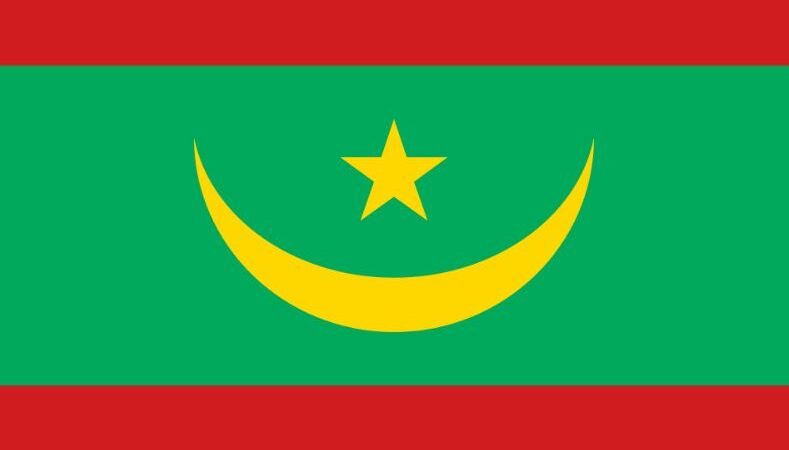
Mauritania represents a frontier investment market with significant natural resource potential, improving macroeconomic prospects, and a strategically valuable location connecting North Africa, the Sahel, and the Atlantic Ocean. The country’s extensive mineral reserves, productive fishing grounds, livestock economy, and emerging offshore gas industry provide a credible foundation for long-term commercial expansion.
Relative political stability has also distinguished Mauritania from several neighbouring Sahelian states. Although the country has a history of military intervention in politics and exposure to regional militancy, recent administrations have maintained institutional continuity and strengthened security management. Under President Mohamed Ould Ghazouani, the government has pursued economic reform, investment promotion, and measures intended to address social and security pressures.
Despite these positive developments, Mauritania remains a complex operating environment. Infrastructure gaps, limited access to finance, regulatory opacity, informal economic activity, social inequality, and climate-related pressures continue to constrain private-sector development. Investors should therefore approach the market through a structured entry strategy supported by comprehensive due diligence, credible local partnerships, and robust risk controls.
Economic Structure and Market Fundamentals
Mauritania’s economy remains heavily dependent on extractive industries, fisheries, livestock production, and subsistence agriculture. Iron ore is a principal export commodity and an important source of government revenue and foreign exchange. Gold, copper, and other mineral deposits also contribute to the country’s economic profile, although substantial areas remain underexplored.
The fisheries sector is another major component of the economy. Mauritania’s Atlantic coastline provides access to highly productive marine resources, supporting exports, employment, and public revenue. However, much of the sector’s commercial value continues to be captured through the export of unprocessed products. This creates opportunities for investment in local processing, packaging, cold-chain infrastructure, quality certification, and sustainable fisheries management.
Livestock production remains critical to rural livelihoods. A significant share of the population depends on cattle, sheep, goats, and camels for food security, income generation, and trade. However, the sector is vulnerable to drought, limited veterinary coverage, poor transport systems, and weak processing capacity.
The development of offshore natural gas is expected to become an increasingly important growth driver. The Greater Tortue Ahmeyim project, developed jointly with Senegal, has the potential to generate export earnings, improve energy availability, and stimulate investment in supporting infrastructure and services.
Strategic Investment Opportunities
Mauritania offers several commercially relevant opportunities for investors with appropriate sector expertise and a long-term risk appetite. The mining sector continues to provide demand for exploration services, engineering support, machinery, maintenance, transport, safety systems, and environmental management. Opportunities may also arise in mineral processing and other activities designed to increase domestic value addition.
The emerging gas industry is expected to create demand across a broad range of support services. Potential areas include marine logistics, construction, workforce accommodation, technical training, equipment supply, inspection services, security support, and energy-related infrastructure. Over time, gas production could also support domestic power generation and selected downstream industries.
In fisheries, investors may identify viable opportunities in cold storage, fish processing, aquaculture, packaging, export logistics, and traceability systems. Projects that support sustainable production and local value creation are likely to be more closely aligned with national development priorities.
Agriculture and animal husbandry also present investment potential, particularly in irrigation, animal feed, veterinary services, dairy processing, meat production, storage, and climate-resilient farming technologies. These sectors remain underdeveloped but could benefit from rising urban demand and improved regional market access.
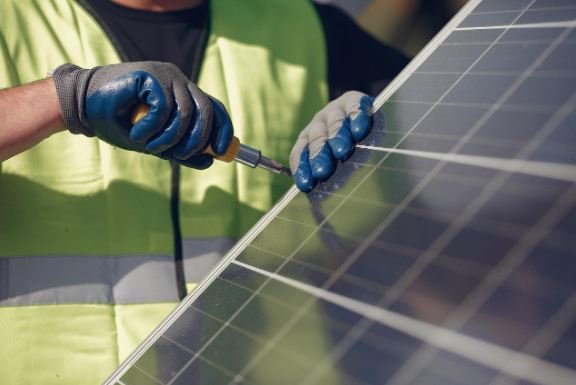
Mauritania’s strong solar and wind resources also support opportunities in renewable energy. Investment in off-grid systems, industrial power solutions, rural electrification, and energy infrastructure could help address persistent electricity constraints while supporting productive sectors.
Foreign Investment Framework
Mauritania generally permits foreign investors to establish and own local companies. There are no broad legal restrictions preventing foreign participation in domestic enterprises, and foreign ownership is accepted across several priority sectors.
The Mauritanian Investment Promotion Agency provides a Single Window service intended to simplify business registration and investment procedures. This mechanism is designed to centralise administrative support and reduce the number of institutions investors must engage during the establishment process.
The country’s investment framework may provide qualifying projects with incentives such as tax reductions, deferred tax obligations, customs exemptions on imported equipment, access to land, and the repatriation of capital and profits. These incentives can improve project viability, particularly in sectors that support industrial development, exports, employment, and infrastructure expansion.
However, investors should not rely exclusively on general policy statements. All incentives, permits, land rights, and tax arrangements should be formally documented and independently reviewed. Land ownership and usage rights can be particularly complex in areas where registration systems are incomplete or customary arrangements remain influential.
Operating Environment and Commercial Constraints
Mauritania’s infrastructure deficit is one of the most significant barriers to investment. Road networks, electricity supply, water access, telecommunications, and logistics systems remain uneven, especially outside Nouakchott and major extractive-industry locations. Businesses operating in remote areas may need to provide their own transport, power, storage, and employee facilities.
The country’s dispersed population and limited formal consumer base also affect market scalability. Distribution costs can be high, while household purchasing power remains constrained by poverty and informal employment. Investors targeting consumer markets should therefore conduct detailed demand assessments rather than relying on national population figures alone.
Access to finance remains limited for many local firms. Small and medium-sized enterprises frequently face high borrowing costs, weak collateral positions, and limited financial products. These conditions can restrict the capacity of domestic suppliers and increase working-capital pressure within local value chains.
Skills shortages are another operational concern. Investors may experience difficulty recruiting personnel with specialised technical, financial, engineering, or managerial capabilities. Workforce planning should therefore include structured training, succession development, and realistic localisation timelines.
Political, Social, and Governance Risks
Mauritania’s political environment is comparatively stable within the broader Sahel, but investors should continue to monitor governance, institutional capacity, and public-sector transparency. Administrative procedures may be slow, and regulatory interpretation can vary across agencies.
Social inequality remains a material concern. Poverty, unemployment, and limited economic mobility contribute to public dissatisfaction, particularly among younger citizens. High youth unemployment and the dominance of informal labour reduce productivity and may create long-term social pressures.
Human rights concerns, including reports of hereditary exploitation and discriminatory practices, also create reputational and compliance risks. International companies should apply strict labour standards, conduct supplier due diligence, and maintain effective grievance and monitoring systems.
Climate and Security Considerations
Climate change has intensified drought, water scarcity, and rural economic vulnerability. Reduced rainfall and declining pastoral conditions have encouraged migration into urban areas, increasing pressure on housing, employment, and public services. Businesses in agriculture, livestock, food production, and water-intensive sectors should incorporate climate resilience into their operating models.
Security risks are higher in remote areas and near the Malian border. Militancy, kidnapping, smuggling, and cross-border criminal activity remain relevant concerns. Government-designated restricted areas should be avoided, and companies should maintain location-specific security protocols.
Mauritania is also a conservative Islamic society. Investors and expatriate employees should observe local laws, religious practices, and cultural expectations. Restrictions relating to alcohol and non-Muslim religious activity should be understood before deployment.
Investment Outlook
Mauritania offers substantial potential in mining, gas, fisheries, renewable energy, agriculture, livestock, logistics, and infrastructure. However, the market is best suited to investors capable of managing operational complexity and pursuing long-term value creation.
A successful entry strategy should combine regulatory due diligence, stakeholder engagement, local partnership assessment, compliance oversight, and detailed security planning. Investors that align commercial objectives with employment creation, skills development, sustainability, and domestic value addition are likely to be better positioned to establish durable operations in the Mauritanian market.
Frequently Asked Questions about Investing in Mauritania
Why Is Mauritania Attracting Investor Interest?
Mauritania combines political stability, strategic Atlantic access, and substantial natural resources. Its mining, fisheries, livestock, renewable energy, and emerging gas sectors offer opportunities for investors with a long-term market strategy.
Which Sectors Drive Mauritania’s Economy?
The economy is largely supported by iron ore mining, fisheries, livestock production, agriculture, and other extractive activities. Offshore gas is also becoming an increasingly important source of future growth and export revenue.
What Are the Main Investment Opportunities?
Promising opportunities exist in mining services, gas infrastructure, fish processing, cold storage, renewable energy, logistics, irrigation, animal health, food production, and workforce training.
How Important Is the Greater Tortue Ahmeyim Project?
The Greater Tortue Ahmeyim offshore gas project could significantly increase export earnings, improve energy availability, and generate demand for engineering, maritime logistics, construction, equipment supply, and technical services.
Can Foreign Investors Fully Own Businesses in Mauritania?
Foreign investors are generally permitted to establish and own local companies. However, legal, tax, licensing, and land arrangements should be independently verified before major capital commitments are made.
What Incentives Are Available to Investors?
Eligible projects may benefit from reduced or deferred taxes, customs exemptions, land access, duty-free equipment imports, and the repatriation of capital and profits, depending on the sector and investment structure.
What Are the Main Business Risks?
Key risks include infrastructure shortages, regulatory uncertainty, limited access to finance, skills gaps, informal business practices, social inequality, climate pressures, and security concerns in remote border areas.
How Does Climate Change Affect the Market?
Drought, water scarcity, and declining pastoral conditions are placing pressure on agriculture and livestock production. These challenges are also accelerating rural-to-urban migration and increasing demand for water, food, housing, and resilient infrastructure.
What Is the Best Market-Entry Approach?
Investors should conduct detailed due diligence, engage reputable local partners, verify land and licensing rights, assess security conditions, and develop strong compliance and stakeholder-management systems.