
In South Africa, tax obligations depend primarily on residency classification, income sources and applicable deductions. The South African Revenue Service (SARS) administers the system, periodically adjusting tax thresholds and rates through national fiscal policies.
Tax Residency and Income Obligations
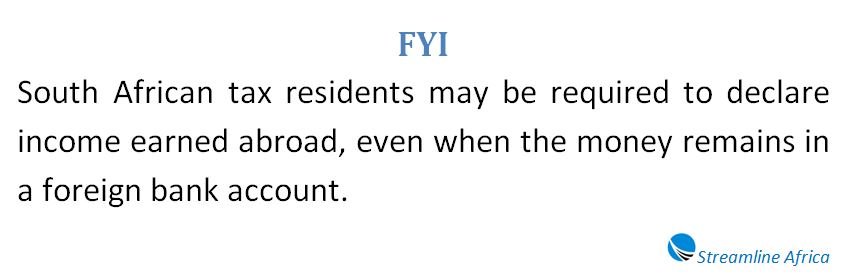
Individuals classified as South African tax residents are generally liable for income tax on earnings generated worldwide. This includes employment compensation, business income, investment proceeds and other taxable receipts, regardless of where they originate.
Where foreign income has already been taxed abroad, qualifying taxpayers may claim foreign tax credits to minimise double taxation, subject to applicable legislative requirements.
Non-residents are ordinarily taxed only on income arising from South African sources. Both categories are assessed using the same individual income tax rates, although their reporting obligations may differ.
For instance, a Cape Town entrepreneur receiving consulting fees from clients in Kenya may be required to declare those earnings locally, depending on residency and applicable tax provisions.
How Progressive Income Tax Rates Work
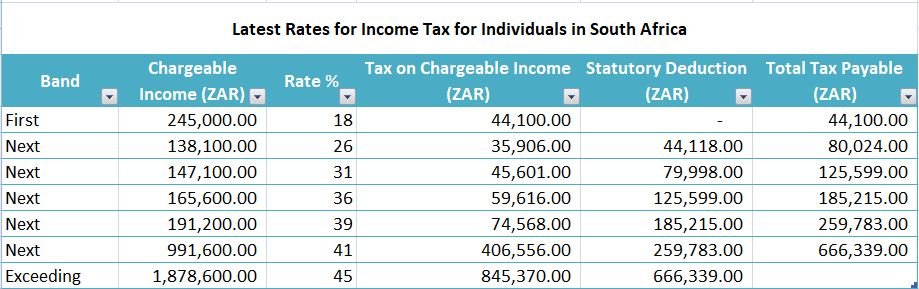
South Africa uses graduated tax brackets, meaning higher portions of taxable income attract progressively higher rates.
Rather than applying the highest applicable percentage to an individual’s entire income, each portion is taxed according to its corresponding bracket.
The country’s personal income tax structure features marginal rates ranging from 18% to 45%, although thresholds and calculations may change following government budget announcements.
Local Income Taxes and Compliance
South Africa does not levy separate municipal or provincial personal income taxes. Individual income taxation is administered nationally, ensuring consistent statutory rules across provinces.
Taxpayers should regularly review SARS guidance, maintain accurate financial records and assess available reliefs to support compliance and effective financial planning.
FAQs
How Does South Africa’s Progressive Income Tax System Work?
The system divides taxable income into different brackets, with higher portions of earnings attracting higher tax rates.
What Are the Personal Income Tax Rates in South Africa?
South Africa applies progressive marginal tax rates ranging from 18% to 45%, with income thresholds subject to periodic government adjustments.
Are Foreign Earnings Taxable in South Africa?
Yes. South African tax residents generally must declare foreign earnings, although exemptions, tax treaties and other relief provisions may apply.
Can Individuals Claim Relief for Taxes Paid Abroad?
Yes. Eligible taxpayers may receive foreign tax credits for qualifying taxes paid in other countries, helping reduce double taxation.
Do Residents and Non-Residents Pay Different Income Tax Rates?
No. Both generally follow the same progressive tax brackets, although the income subject to taxation differs according to residency status.
Does South Africa Charge Provincial or Municipal Income Taxes?
No. Personal income tax is administered nationally, with no separate provincial or municipal personal income taxes.
Who Administers Personal Income Tax in South Africa?
The South African Revenue Service (SARS) oversees income tax collection, taxpayer registration, assessments and compliance enforcement.
How Can Individuals Reduce Their Income Tax Liabilities Legally?
Taxpayers can explore qualifying deductions, available tax credits, exemptions and approved retirement contributions while maintaining accurate financial records.