
Latest posts
-
Cash Conversion Cycle: Assessing Working Capital Efficiency and Liquidity

The cash conversion cycle is a core working capital metric used to evaluate how efficiently an organisation converts investments in inventory and receivables into available cash. It provides an estimate of the number of days between the company’s initial cash commitment to operating activities and the eventual recovery of that cash through customer collections. For…
-
Accounts Payable Turnover: Master Cash Flow, Supplier Payments, and Financial Efficiency

In every business, there is a continuous flow of transactions between the company and its suppliers. Goods are ordered, services are rendered, and payments are eventually made. But how quickly a company settles these obligations can reveal a lot about its financial discipline and operational efficiency. This is where the concept of accounts payable turnover…
-
What is the Receivables Turnover Ratio? And how Important is it to Businesses?
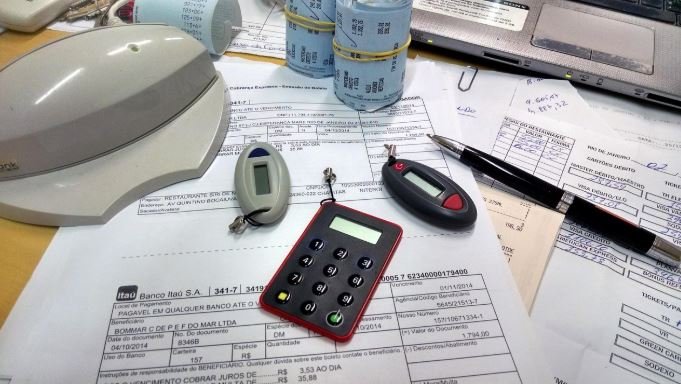
In many businesses, selling on credit is a normal part of operations. Companies often allow customers time to pay after receiving goods or services. While this approach can boost sales and attract more clients, it also creates a delay between earning revenue and actually receiving cash. One of the most useful ways to measure how…
-
How Hiring an Accountant Can Save Your Business Thousands And Drive Long-Term Growth

For many entrepreneurs, especially those running small businesses, managing finances independently feels like a practical way to cut expenses. Learning how to track income, manage cash flow, and meet tax responsibilities can certainly be empowering. However, trying to do everything without professional support often leads to hidden costs that go unnoticed. Time spent balancing books…
-
Accounts Receivable Management Guide: How Payment Delays Impact Cash Flow, Profitability, And Business Stability

In many commercial transactions, goods and services are delivered long before cash actually changes hands. Businesses often allow customers time to pay, creating what is known as accounts receivable. These receivables represent money a company expects to collect in the near future and play a central role in managing working capital. Although accounts receivable are…
-
Mastering Accounts Receivable: How Businesses Turn Credit Sales into Reliable Cash Flow

Accounts receivable represent the money a business expects to receive from customers who purchased goods or services on credit. While it appears as a current asset on the balance sheet, it does not signify immediate cash in hand. Instead, it reflects the company’s confidence that these customers will fulfill their payment obligations within a specified…