
Latest posts
-
What Debt-to-Equity Ratio Means: Master Financial Leverage, Risk Analysis, and Smarter Investment Decisions

The debt-to-equity ratio, often shortened to D/E ratio, is a widely used financial indicator that helps explain how a business funds its operations. At its core, it compares what a company owes to what it owns outright through shareholders’ investments. By examining this relationship, analysts, investors, and business owners can better understand how much risk…
-
Key Financial Ratios that Indicate that a Company is in Distress

Imagine you are evaluating a mid-sized manufacturing firm in Kumasi, Ghana. On the surface, the company appears stable—it has recognizable products, a loyal customer base, and steady revenue. But a deeper look reveals subtle cracks: shrinking cash reserves, rising debt, and sudden leadership exits. These are not random occurrences. They are signals. Understanding how to…
-
Leverage Ratio: How Debt Impacts Business Growth, Risk, and Financial Stability
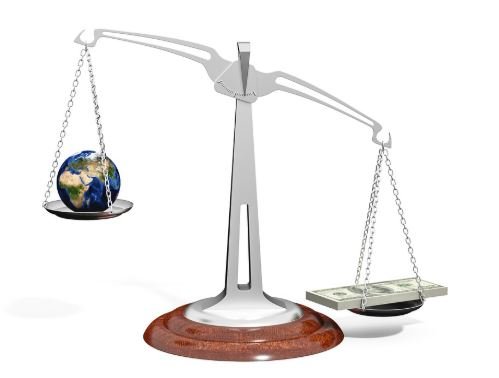
Imagine a fast-growing logistics firm in Nairobi called Horizon Freight Ltd. The company has expanded rapidly across East Africa by financing trucks, warehouses, and technology systems through a mix of investor funds and bank loans. While this strategy has accelerated growth, it has also introduced a critical question: how much debt is too much? This…
-
Financial Vital Signs Every Business Leader Must Track For Sustainable Growth

Running a company without regularly reviewing its financial metrics is comparable to navigating a ship without instruments. You may feel progress through movement and momentum, but without clear readings, you cannot tell whether conditions are stable or a storm is forming ahead. In my capacity as managing director of a regional advisory firm based in…