
A growing number of investors have learned an uncomfortable truth about corporate earnings: a company can look profitable on paper while quietly struggling to generate real cash. Revenue may appear impressive, margins may expand, and executives may celebrate record earnings, yet the actual money entering the business can tell a very different story. This disconnect is exactly why the cash flow statement exists, and why the indirect method has become one of the most valuable tools in financial analysis.
Imagine a logistics company in São Paulo reporting strong annual profits after signing multiple delivery contracts across South America. On the surface, the business appears to be thriving. However, a closer review of its cash flow statement reveals that many customers have delayed payments, inventory expenses have increased sharply, and the company is financing daily operations through short-term borrowing. Suddenly, the profit figures look far less reassuring.
The indirect method helps investors uncover these realities. Rather than simply presenting raw cash receipts and payments, it explains how accounting profit transforms into actual operating cash flow. For analysts, shareholders, and even business owners, this method offers a clearer understanding of how efficiently a company truly operates.
The Purpose of the Cash Flow Statement
Financial statements each serve a different role in explaining a company’s condition. The income statement measures profitability over a period of time, while the balance sheet shows what the company owns and owes at a specific date. The cash flow statement connects the two by revealing how money moved throughout the business during the reporting period.
The statement is generally divided into three major categories. Operating activities focus on cash generated from the company’s primary business functions. Investing activities record purchases or sales of long-term assets such as machinery, property, or acquisitions. Financing activities capture transactions involving loans, dividends, stock issuance, or debt repayment.
Together, these sections explain why a company’s cash balance increased or decreased over time. Investors often rely heavily on this statement because cash ultimately determines whether a business can survive downturns, repay obligations, or fund future growth.
Why Cash Flow Often Matters More Than Reported Earnings
Profits are influenced by accounting rules, estimates, and timing decisions. Cash, on the other hand, is far more difficult to manipulate over long periods.
A manufacturing company in Istanbul, for example, may recognize revenue immediately after shipping products even though customers will not pay invoices for another three months. The sale boosts reported earnings instantly, but no cash has arrived yet. If too many customers delay payment, the business may face financial strain despite posting impressive profits.
This is why experienced investors compare earnings with operating cash flow. When cash generation consistently trails behind reported profit, it can signal inefficiencies, weak collections, rising costs, or aggressive accounting practices.

Understanding the Indirect Method
Companies generally use one of two approaches to prepare the operating section of the cash flow statement: the direct method or the indirect method.
The indirect method is by far the more widely used approach. Instead of listing every cash payment and receipt individually, it begins with net income and adjusts that figure to determine how much cash the company actually generated from operations.
The method exists because accounting profits include many transactions that never involve immediate cash movement. Revenue may be recorded before payment arrives, while expenses such as depreciation reduce profit without requiring any cash outflow.
The indirect method essentially removes these accounting distortions to reveal operational cash reality.
Why Global Companies Prefer the Indirect Method
Large corporations across industries frequently rely on the indirect method because it is efficient and practical. The information needed is already available from the income statement and balance sheet, reducing preparation complexity.
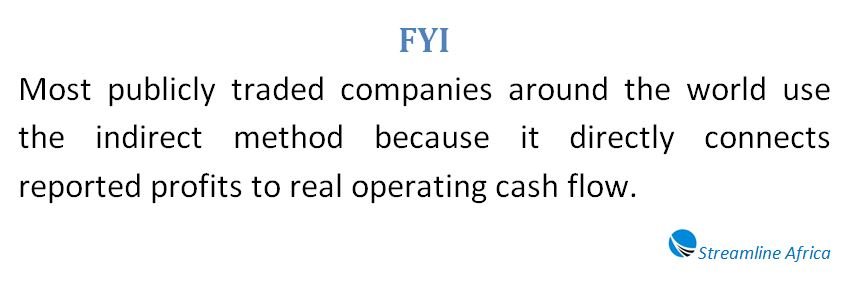
There is another important advantage as well. The indirect method clearly shows the relationship between net income and operating cash flow. Investors can easily identify where profits differ from cash generation and investigate why.
Consider a renewable energy company headquartered in Copenhagen. Its annual report may show rapidly rising earnings, but the indirect method might reveal that much of the profit increase came from unpaid customer contracts and growing receivables. Without this reconciliation, investors could miss important warning signs.
Accounting frameworks such as Financial Accounting Standards Board guidelines and International Accounting Standards Board standards both permit the use of the indirect method, further contributing to its widespread adoption.
How the Indirect Method Is Constructed
Beginning With Net Income
The calculation starts with net income from the income statement. This figure represents the company’s reported profit after expenses, taxes, and interest.
However, net income alone does not measure actual cash generation because it includes non-cash items and accrual-based accounting adjustments.
Adding Back Non-Cash Expenses
The next step is to reverse expenses that reduced earnings without consuming cash.
Depreciation is the most common example. A construction company in Nairobi may purchase heavy equipment that will last for ten years. Instead of recording the full expense immediately, accounting rules spread the cost gradually over the equipment’s useful life. Each year, depreciation lowers reported profit even though no cash leaves the company during that period.
Because depreciation is non-cash, it gets added back under the indirect method.
Amortization works similarly for intangible assets such as patents or trademarks. Stock-based compensation also falls into this category because issuing shares to employees does not require an immediate cash payment.
Adjusting for Working Capital Changes
Working capital accounts often create the biggest differences between profit and cash flow.
If accounts receivable rise, it means customers owe more money to the company. Revenue may already appear on the income statement, but the cash has not yet been collected. This increase reduces operating cash flow.
Inventory growth can also consume cash. A retail chain in Bangkok expanding aggressively before a holiday season may spend heavily on products sitting in warehouses. Although these goods may generate future sales, the immediate cash impact is negative.
Accounts payable works differently. When a business delays payments to suppliers, it temporarily preserves cash. An increase in payables therefore boosts operating cash flow.
These adjustments help investors evaluate how efficiently management handles day-to-day operations.
Read More: Unlevered Free Cash Flow: Formula, Calculation, Valuation Impact, and Why It Matters to Investors
Removing Non-Operating Gains and Losses
Some items included in net income do not relate to normal business operations. A company may sell real estate, dispose of equipment, or record gains on investments.
The indirect method removes these gains or losses from operating cash flow because the related cash belongs in the investing section instead.
Calculating Operating Cash Flow
After all adjustments are completed, the final figure represents net cash provided by operating activities. This number reflects the actual cash generated through core operations during the reporting period.
For many investors, this is one of the most important figures in the entire financial statement package.
Comparing the Indirect and Direct Methods
The direct method reports specific cash inflows and outflows directly. It lists items such as cash received from customers, wages paid to employees, taxes paid, and supplier payments.
While this approach provides a straightforward picture of cash movement, it requires more detailed tracking systems and additional reporting work.
The indirect method may appear less intuitive initially, but many investors prefer it because it exposes the relationship between earnings and cash flow more clearly.
Suppose a hospitality company in Dubai reports sharply higher profits while operating cash flow barely changes. The indirect method might reveal rising receivables, growing inventory costs, or heavy use of accounting adjustments. These insights are invaluable when assessing financial quality.
Why Investors Study the Indirect Method Carefully
Identifying Weak Earnings Quality
One of the biggest advantages of the indirect method is its ability to reveal earnings quality problems.
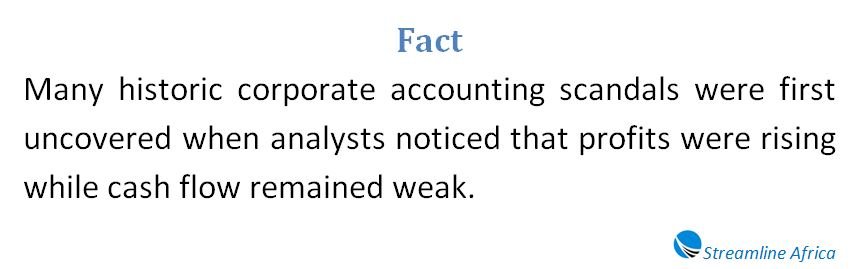
When profits rise consistently while cash flow stagnates, investors may question whether reported earnings accurately reflect business performance. Some major corporate collapses in history were preceded by widening gaps between accounting income and operating cash generation.
Persistent discrepancies deserve close attention.
Measuring Operational Efficiency
Working capital adjustments also reveal how effectively management runs the business.
A consumer electronics distributor in Toronto that consistently reduces inventory delays and accelerates customer collections will often generate stronger cash flow without increasing sales. This efficiency creates flexibility for expansion, innovation, or debt reduction.
Evaluating Free Cash Flow Potential
Operating cash flow forms the basis for free cash flow, a key metric used in company valuation.
Free cash flow measures how much money remains after necessary investments in equipment, technology, and infrastructure. Investors value businesses capable of generating strong free cash flow because they can reinvest, repay debt, pay dividends, or repurchase shares without relying heavily on external financing.
Many long-term investors consider sustainable free cash flow more important than short-term earnings growth.
Final Thoughts
The indirect method of preparing the cash flow statement serves one essential purpose: translating accounting profit into real operational cash flow. By adjusting net income for non-cash expenses, working capital movements, and non-operating items, it provides a clearer picture of a company’s financial reality.
For investors, this approach offers more than just accounting insight. It reveals whether profits are supported by genuine cash generation, whether operations are improving efficiently, and whether management is building a financially durable business.
Successful investing rarely depends on headline earnings alone. The businesses that endure economic pressure, expand sustainably, and reward shareholders over time are usually the ones that consistently convert profits into cash. Investors who understand the indirect method gain a significant advantage in identifying those companies before the broader market fully recognizes their strength.
Key Takeaways
Understanding the Real Meaning of Cash Flow
The indirect method helps investors see how much actual cash a business generates, not just the profits shown on paper.
Profit Does Not Always Equal Cash
A company can report impressive earnings while struggling with weak cash flow, delayed customer payments, or rising operational costs.
The Cash Flow Statement Completes the Financial Picture
Investors use the cash flow statement alongside the income statement and balance sheet to understand a company’s full financial condition.
The Indirect Method Starts With Net Income
This method begins with reported profit and adjusts it to reveal the real cash produced from business operations.
Non-Cash Expenses Must Be Added Back
Expenses like depreciation and amortization reduce accounting profit but do not involve actual cash leaving the business.
Working Capital Changes Reveal Operational Efficiency
Movements in receivables, inventory, and payables show how effectively a company manages its daily operations.
Rising Receivables Can Be a Warning Sign
When customers owe more money over time, operating cash flow may weaken even if sales continue growing.
Inventory Growth Can Drain Cash Quickly
Excess inventory ties up company funds and may indicate slowing demand or poor planning.
The Indirect Method Helps Spot Earnings Manipulation
Large gaps between profits and operating cash flow can expose aggressive accounting practices or unsustainable earnings.
Most Public Companies Prefer the Indirect Method
Businesses commonly use this approach because it is easier to prepare and clearly reconciles profits with cash flow.
Operating Cash Flow Supports Free Cash Flow Analysis
Investors rely on operating cash flow to calculate free cash flow, one of the most important measures of financial strength.
Strong Cash Flow Often Signals Long-Term Stability
Companies that consistently turn profits into cash are generally better positioned for growth, expansion, and economic resilience.
Investors Use Cash Flow to Assess Financial Health
The indirect method gives investors a clearer understanding of business quality, efficiency, and long-term sustainability.