
Latest posts
-
Uganda’s Investment and Commercial Landscape

Uganda remains an important East African market with significant long-term potential across agriculture, tourism, energy, mining, infrastructure, and consumer services. Its geographic position provides access to several regional economies, while its growing population offers an expanding domestic market for goods and services. The country also benefits from fertile agricultural land, substantial water resources, mineral deposits,…
-
Tanzania: Business Environment, Investment Risks, and Emerging Opportunities

Tanzania has become one of East Africa’s most closely watched investment destinations, combining political stability with abundant natural resources and a steadily expanding domestic market. Drawing on years of investment advisory experience and economic analysis, our consulting team has observed the country’s gradual transformation from an agriculture-dominated economy into a more diversified marketplace supported by…
-
South Sudan Investment Guide: Business Opportunities, Market Risks and Economic Outlook

Executive Overview South Sudan remains one of Africa’s most challenging frontier markets. While the country possesses substantial natural resource wealth, including significant petroleum reserves, fertile agricultural land, and untapped mineral deposits, persistent political instability, institutional fragility, and inadequate infrastructure continue to constrain broad-based economic development. Investors considering market entry should adopt a long-term perspective supported…
-
Business Opportunities in Somalia

Somalia is seen as a frontier market with long-term potential alongside risks requiring disciplined assessment. The country is recovering from decades of conflict, institutional weakness, and security disruptions. Even so, progress has been made in rebuilding government structures, restoring public administration, and reconnecting the economy to regional and international markets. Somalia’s reform path remains fragile.…
-
What Cost of Capital Means for a Business
As accounting advisory professionals, we view cost of capital as one of the most important measures in corporate finance and investment planning. It represents the minimum return a business must earn on the funds used to support its operations, expansion projects, acquisitions, or long-term investments. Every source of finance carries a cost. Lenders expect interest…
-
Liquidity Coverage Ratio: Why Banks Need a Liquidity Safety Buffer

Banks accept deposits, issue loans, invest funds, and move money. This system works when customers, businesses, and investors remain confident. Trouble begins when many depositors demand cash at once or when short-term funding suddenly disappears. The liquidity coverage ratio was created to help banks survive such pressure. The rule requires certain financial institutions to hold…
-
Sub Accounts as a Strategic Financial Management Tool

As accounting professionals, we frequently see individuals and organizations struggle with financial clarity because too many transactions, objectives, and responsibilities are grouped into one account. Although a single balance may appear convenient, it can make reporting, budgeting, and decision-making unnecessarily difficult. Sub accounts provide a structured solution. They are secondary accounts created beneath a primary…
-
Scrap Value as a Strategic Asset Management Consideration
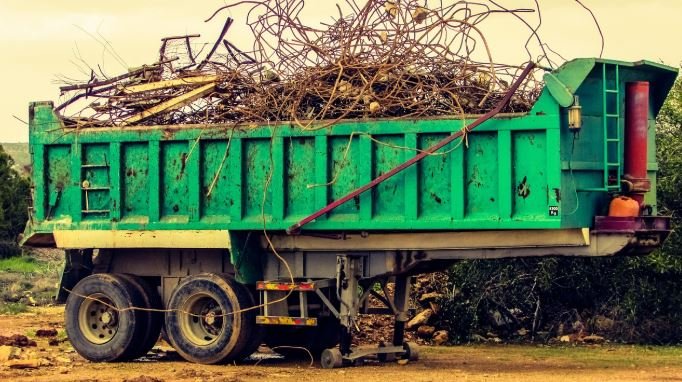
Scrap value is an important component of fixed-asset accounting, capital planning, and end-of-life asset management. It represents the estimated amount a business expects to recover from an asset once the asset can no longer perform its intended operational function. Recovery may occur through resale, dismantling, recycling, or the sale of individual components. Although scrap value…
-
What “Kicking the Tires” Means in Investing

“Kicking the tires” describes the first stage of researching an investment. It means taking a quick look at an opportunity before deciding whether it deserves deeper attention. The phrase comes from car shopping, where a buyer walks around a vehicle, checks its appearance, and casually tests the tires without arranging a mechanical inspection. In finance,…
-
Double-Declining Balance Depreciation: How It Works, Formula, Benefits, and Practical Examples
Businesses invest in assets such as machinery, vehicles, computers, and production equipment to support their daily operations. These assets often provide value for several years rather than being consumed immediately. Because of this, accounting standards require companies to spread the cost of these long-term assets over their useful lives instead of recognizing the entire purchase…