
Latest posts
-
Inflation Accounting: How Businesses Preserve Financial Accuracy When Prices Rise

Why Traditional Accounting Becomes Unreliable During Inflation Financial statements are designed to help investors, managers, lenders, regulators and other stakeholders understand how a business is performing. However, when inflation rises sharply, conventional accounting records may no longer provide an accurate picture of a company’s financial health. Historical figures can remain unchanged even though the purchasing…
-
How Small Businesses Can Use AI to Expand Operations and Create More Jobs

Artificial intelligence is frequently discussed as a threat to employment, particularly within industries where repetitive duties can be automated. However, this assumption overlooks how technology often affects growing businesses. When smaller companies improve productivity, attract more customers, strengthen service delivery, and enter new markets, they may need more employees rather than fewer. For a small…
-
How Leaders Can Build a More Effective Workplace Mental Health Strategy

Employee mental health has become an increasingly important consideration for organizations seeking to maintain performance, retain talent and build resilient teams. Although workplace discussions about well-being are more common than they were in the past, many employees still hesitate to disclose when they are experiencing stress, emotional exhaustion or difficulty coping with workplace demands. This…
-
Elastic vs. Inelastic Demand: A Strategic Investor’s Guide to Building Resilient Portfolios During Economic Uncertainty

Why Demand Matters More When Economic Growth Slows Economic uncertainty often causes investors to rethink how their portfolios are positioned. While headlines frequently focus on inflation, interest rates or stock market volatility, another equally important concept deserves attention: consumer demand. Specifically, understanding the difference between elastic and inelastic demand can help investors identify businesses that…
-
Investing in Mozambique: Business Opportunities, Key Sectors and Market Entry Guide
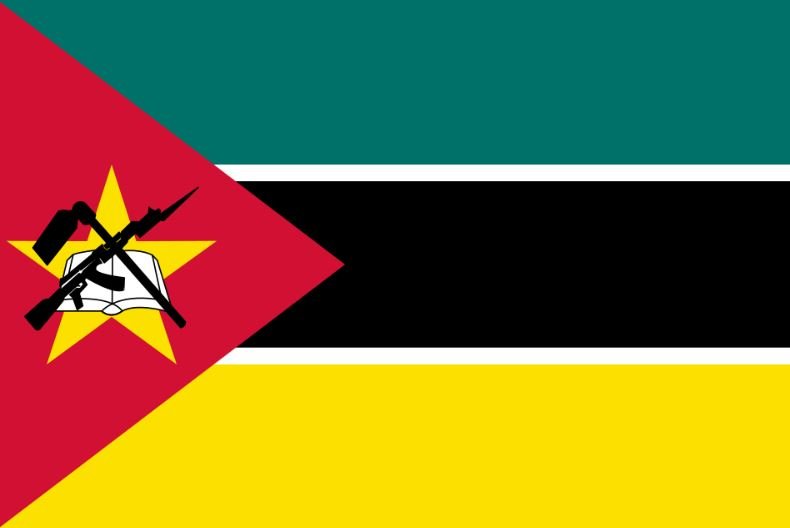
Investing in Mozambique provides access to emerging opportunities across natural gas, agriculture, mining, renewable energy, infrastructure, logistics, tourism, manufacturing, and consumer services. The country combines a long Indian Ocean coastline with strategically important ports serving both its domestic economy and several landlocked Southern African markets. From our perspective as business investment advisers, Mozambique should be…
-
Mauritius: A Strategic Island Economy with Global Business Reach
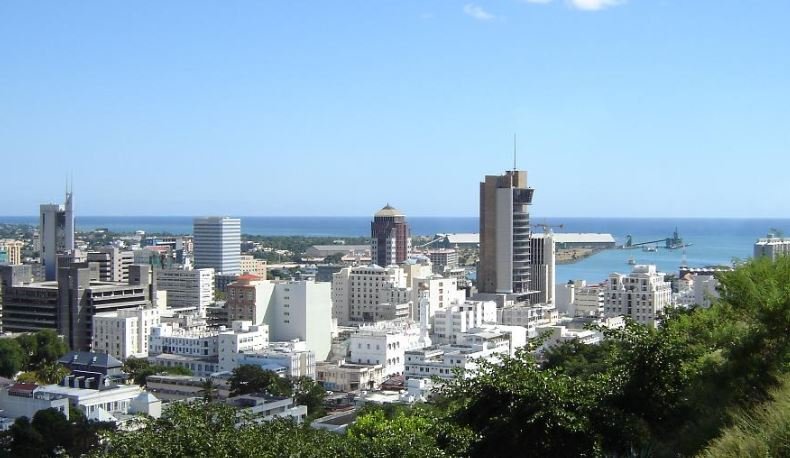
Mauritius has developed into one of Africa’s most credible business, financial, and investment jurisdictions. Located in the Indian Ocean, the country has transformed from a sugar-dependent economy into a diversified commercial platform supported by financial services, tourism, manufacturing, technology, and international trade. From an investment advisory perspective, Mauritius offers a comparatively stable operating environment, a…
-
Investing in Malawi: Business Opportunities, Market Entry Strategies and High-Growth Sectors
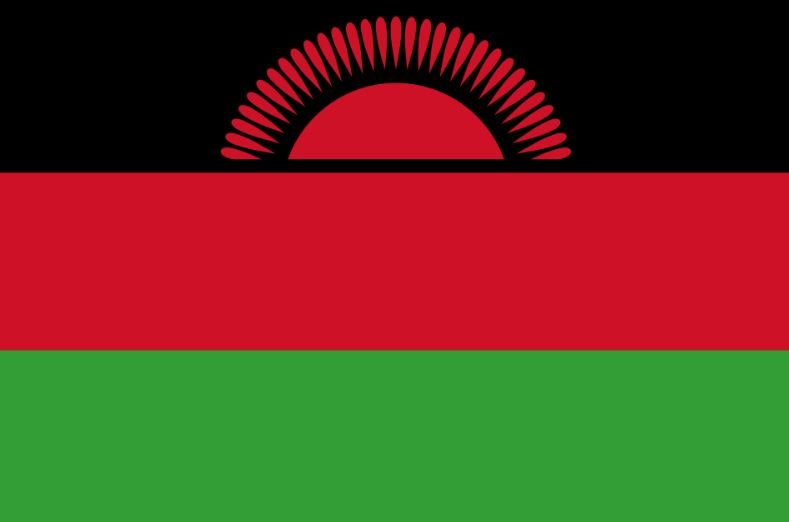
Malawi presents a developing investment landscape shaped by agricultural dependence, infrastructure constraints, demographic growth, and increasing demand for essential services. While the market remains exposed to currency pressures, climate risk, limited industrialisation, and high transport costs, it also offers targeted opportunities for investors with patient capital, strong local partnerships, and disciplined execution strategies. From an…
-
Madagascar Investment Opportunities: A Strategic Guide to High-Growth Sectors, Market Risks and Long-Term Returns
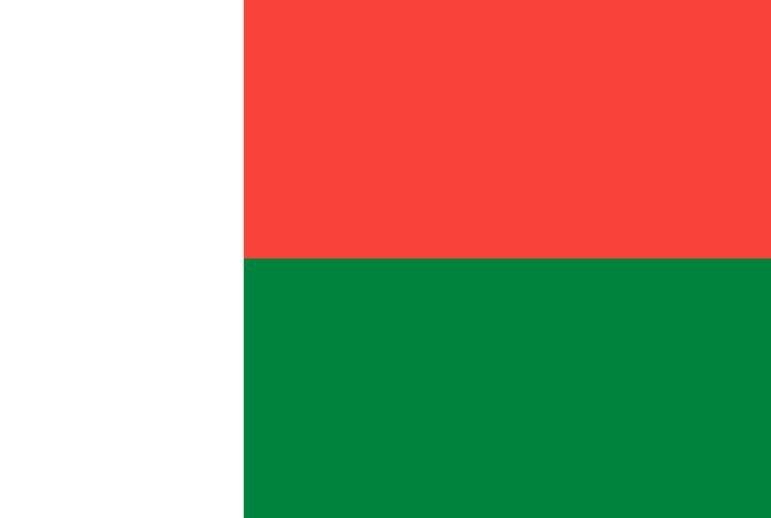
Madagascar represents a high-potential but operationally demanding market. The country combines exceptional natural resources, a large agricultural base, a young population, and a strategic Indian Ocean location. These strengths create opportunities across agribusiness, mining, textiles, tourism, logistics, renewable energy, and supporting services. However, investors must approach Madagascar with a long-term outlook. Infrastructure gaps, political uncertainty,…
-
Why Invest in Rwanda? Complete Guide to the Economy, Business Environment & Growth Opportunities

Rwanda has emerged as one of East Africa’s most closely observed development markets, distinguished by institutional discipline, long-term policy planning, and a consistent focus on economic transformation. Despite its relatively small geographic size and landlocked position, the country has strengthened its regional relevance by investing in public administration, infrastructure, tourism, technology, and service-based industries. Frequently…
-
Doing Business in Djibouti: Investment Opportunities, Market Risks, and Strategic Advantages
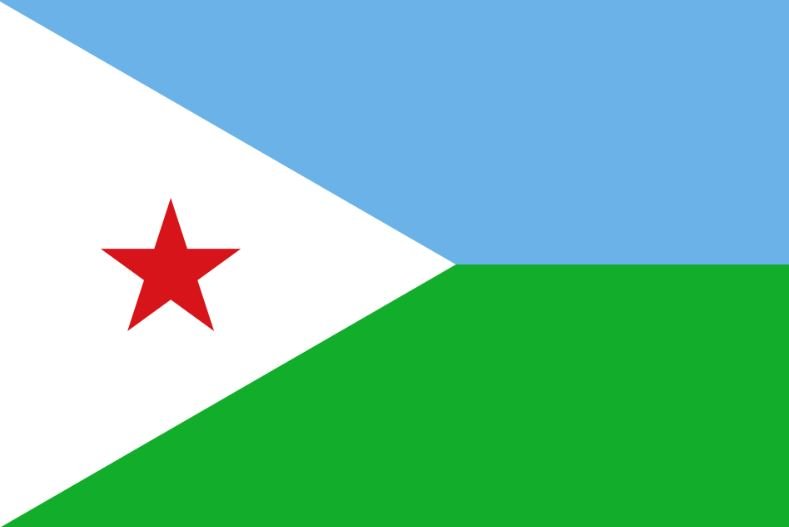
Djibouti is a small but commercially significant economy located at the intersection of major maritime routes connecting Africa, the Middle East, Asia, and Europe. Its position along the Bab el-Mandeb Strait, at the southern entrance to the Red Sea, gives the country strategic importance in global shipping, energy transportation, and regional security. With a population…