
Latest posts
-
Average Payment Period: Formula, Calculation, Importance, And How Businesses Manage Supplier Payments
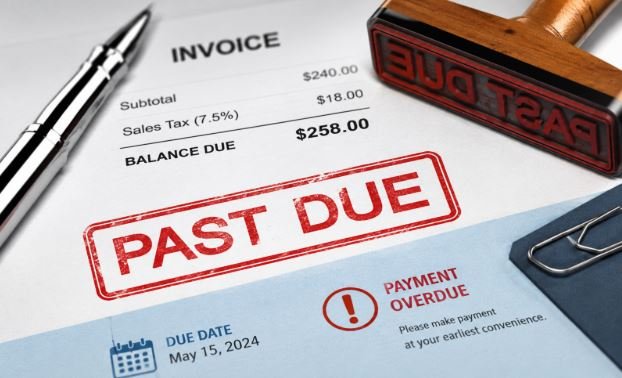
The Average Payment Period (APP) is a financial measurement that shows the typical amount of time a business takes to settle payments owed to suppliers, vendors, or other creditors. It helps companies understand how effectively they manage their short-term obligations and how long they keep cash available before paying for goods and services already received.…
-
Building a Business Culture That Thrives Through Change

Business leaders today operate in an environment where disruption is no longer an occasional challenge—it is part of everyday reality. New technologies emerge overnight, customer preferences evolve rapidly, and economic conditions can shift with little warning. Organizations that succeed are not necessarily the largest or the most established. Instead, they are often the ones that…
-
How Tax Preparers Detect Tax Fraud: 6 Major Red Flags That Can Trigger Audits and Cost You Thousands

Filing a tax return requires accuracy, honesty, and proper documentation. While most taxpayers aim to comply with tax laws, some attempt to reduce their tax liability by providing misleading information or omitting important details. Experienced tax preparers encounter a wide variety of situations and often develop the ability to recognize inconsistencies that may indicate potential…
-
What is Adjusted Net Income? A Practical Guide to Measuring True Profitability

Adjusted net income is a profitability measure designed to present a clearer picture of a company’s ongoing earnings by removing items that may distort its financial results. Unlike standard net income, which follows formal accounting rules, adjusted net income attempts to reflect the earnings generated from normal business activities by excluding unusual, one-time, or non-cash…
-
Cash Runway: How Investors and Businesses Measure Financial Survival and Growth Potential

Cash is often described as the lifeblood of a business. Regardless of how innovative a company’s products are or how strong its growth prospects appear, the organization cannot continue operating if it runs out of money. This reality makes cash runway one of the most important financial metrics for business leaders, investors, lenders, and startup…
-
Understanding Maintenance Capital Expenditure: The Hidden Cost Behind Business Sustainability

Why Maintenance Capital Expenditure Matters More Than Most Investors Realize Many investors focus heavily on earnings, revenue growth, and profit margins when evaluating a company. While these figures are important, they often overlook a critical factor that can significantly affect a company’s true financial strength: Maintenance Capital Expenditure, commonly known as Maintenance CapEx. Imagine owning…
-
Return On Marketing Investment (ROMI): The Ultimate Investor’s Guide To Measuring Marketing Efficiency And Business Growth

Businesses around the world invest enormous amounts of money in marketing every year. Whether through digital advertising, social media promotions, television campaigns, sponsorships, email marketing, or influencer partnerships, organizations continually seek ways to attract customers and strengthen their brands. Global marketing expenditures now reach into the trillions of dollars annually, making advertising one of the…
-
Learn how to Analyze Financial Statements: A Practical Beginner’s Roadmap for Smarter Investing

Investing successfully requires more than following market news, analyst opinions, or social media trends. Every publicly traded company leaves behind a detailed financial trail that reveals how it operates, earns money, manages resources, and handles obligations. Financial statements serve as the foundation of this information, providing investors with a structured view of a company’s financial…
-
NOBO vs OBO: How Shareholder Privacy and Corporate Communication Impact Investors

Investing in publicly traded companies often involves more than simply purchasing shares. Behind every stock transaction lies a network of brokers, custodians, regulators, and corporations that manage shareholder information and communication. One important concept within this framework is the Non-Objecting Beneficial Owner, commonly known as a NOBO. The NOBO designation determines whether a company can…
-
Overcapitalization in Business: Causes, Financial Risks, Warning Signs, and Smart Solutions for Businesses

Every business needs capital to operate, expand, and remain competitive. Capital gives a company the ability to buy assets, hire employees, fund innovation, and survive economic downturns. But while too little capital can cripple a business, too much capital can also create problems. This condition is known as overcapitalization. Overcapitalization occurs when a company holds…