
Latest posts
-
Mauritania Minimum Wage: Salary Rates, Labour Rules, Payroll Costs and Employer Compliance Guide
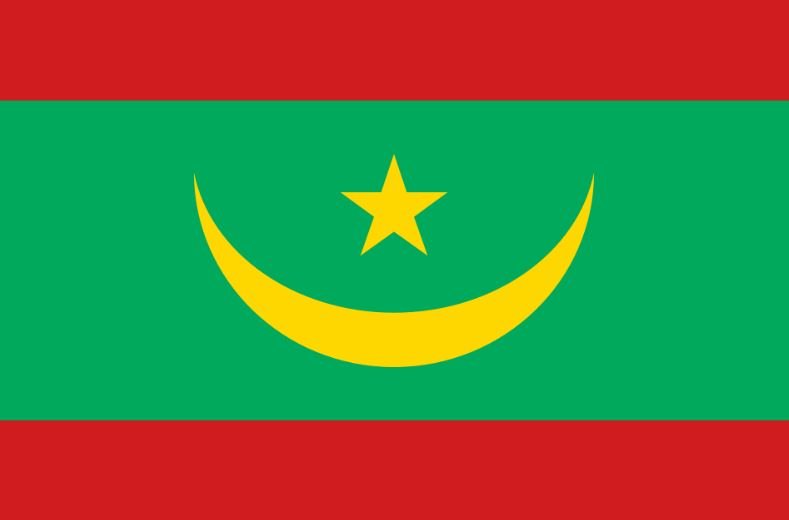
Understanding Mauritania’s Wage Environment Mauritania’s labour market combines a relatively small formal employment sector with a much larger informal economy. For employers, this makes wage planning more complex than simply checking a statutory figure and placing it into a payroll system. Compensation decisions are influenced by legal requirements, industry conditions, skills availability, regional differences, inflation,…
-
Business Setup in Libya: Complete Guide to Company Types, Foreign Ownership and Investment Requirements

Libya offers a potentially attractive but highly structured environment for companies seeking to establish operations in North Africa. Its energy resources, infrastructure needs, geographic access to Mediterranean markets, and demand for investment across sectors such as industry, healthcare, agriculture, tourism, and services create opportunities for both regional and international businesses. However, these opportunities must be…
-
Libya Minimum Wage: What Employers and Investors Need to Know

For companies operating in Libya, minimum wage compliance should be treated as more than a payroll requirement. It is part of a broader workforce strategy that affects labour costs, employee relations, recruitment competitiveness, and regulatory exposure. As of 2026, Libya’s statutory minimum wage remains LYD 1,000 per month. The rate took effect on 22 May…
-
Algeria Company Registration Guide: SARL, SPA and Representative Office Explained for Foreign Investors

Selecting an appropriate legal structure is a critical early decision for companies considering investment in Algeria. The choice affects ownership, governance, taxation, regulatory compliance, capital requirements and the activities an investor can undertake locally. The principal structures available to investors include the société à responsabilité limitée (SARL), the société par actions (SPA) and, for companies…
-
Morocco Average Salary and Minimum Wage: Complete Guide to Pay, Labour Costs and Employment
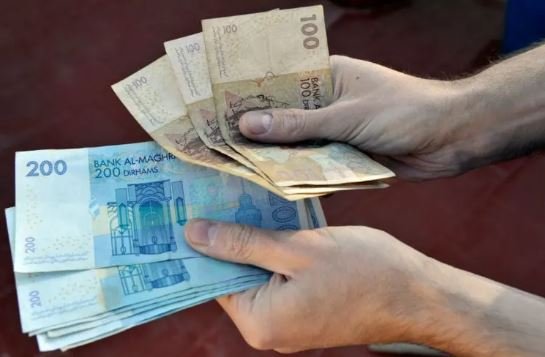
Morocco has developed one of North Africa’s more diversified labour markets, supported by manufacturing, tourism, agriculture, logistics, financial services and a rapidly expanding export economy. For employers, investors and professionals assessing the country, however, headline salary figures provide only part of the picture. Earnings differ considerably according to industry, location, employment status, experience and whether…
-
Algeria Tax Guide: Corporate, Personal, VAT and Investment Tax Rules Explained

Algeria operates a broad tax framework covering corporate profits, individual earnings, consumption, property, investment income and commercial transactions. For investors, employers and businesses entering the market, tax compliance is closely linked to accounting, payroll, contracts and financial planning. The financial year generally runs from 1 January to 31 December, and the country uses the Algerian…
-
Algeria Average Salary and Minimum Wage Guide: Pay, Labour Costs and Workforce Outlook

Algeria presents a distinctive labour market shaped by substantial public-sector employment, a hydrocarbon-led economy and an expanding range of formal private-sector activities. For companies assessing the market, headline salary figures provide a useful starting point, but they should be considered alongside median earnings, statutory requirements, workforce availability and purchasing power. Average gross earnings are estimated…
-
Tunisia Business Environment: Investment Opportunities, Market Risks and Top Growth Sectors
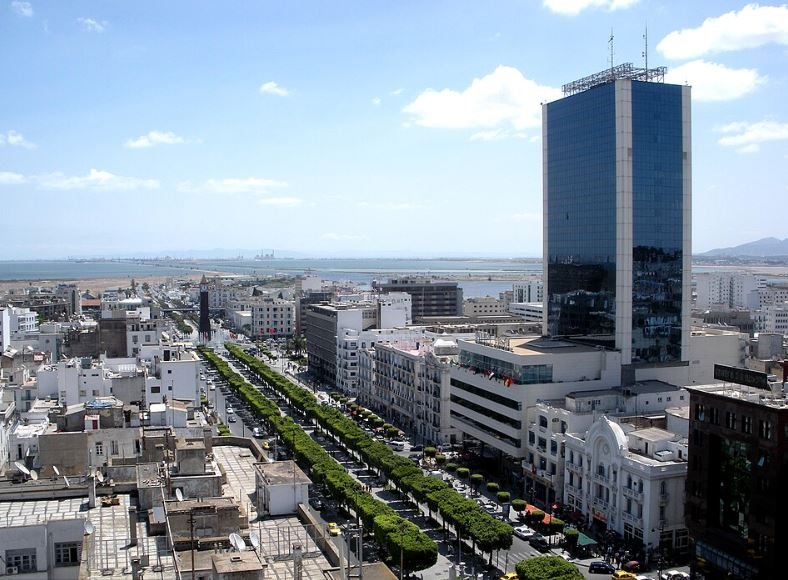
Tunisia remains one of North Africa’s more diversified economies, combining a mature industrial base, strong agricultural exports, established tourism infrastructure, and close commercial links with Europe. Its Mediterranean location gives businesses relatively direct access to major European markets, while its manufacturing experience and educated workforce strengthen its position as a potential production and sourcing hub.…
-
Tunisia Average Salary and Wages: Pay, Minimum Wage and Cost of Living
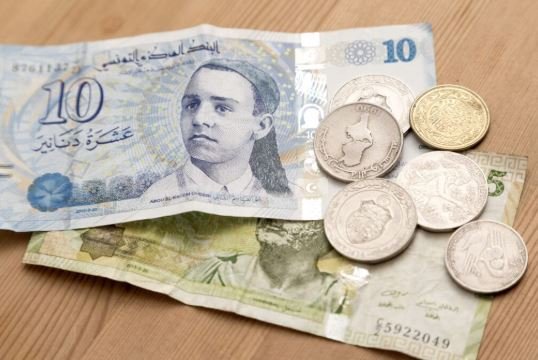
Tunisia occupies an important position in North Africa’s labour market. The country combines a sizeable public sector, export-oriented manufacturing, tourism, agriculture and a growing services economy. Yet the amount earned by an individual worker can look very different from the national average. Tunisia’s average gross salary is estimated at around TND1,200 per month, equivalent to…
-
The DRC’s Critical Minerals Strategy Is Creating a New Investment Equation

The Democratic Republic of Congo is entering an important stage in the evolution of its mining sector. The country is seeking to retain a larger share of the economic value generated from its extensive copper and cobalt reserves by discouraging the export of unprocessed minerals and promoting domestic beneficiation, refining and industrial activity. For investors,…