
Latest posts
-
Algeria Average Salary and Minimum Wage Guide: Pay, Labour Costs and Workforce Outlook

Algeria presents a distinctive labour market shaped by substantial public-sector employment, a hydrocarbon-led economy and an expanding range of formal private-sector activities. For companies assessing the market, headline salary figures provide a useful starting point, but they should be considered alongside median earnings, statutory requirements, workforce availability and purchasing power. Average gross earnings are estimated…
-
Tunisia Average Salary and Wages: Pay, Minimum Wage and Cost of Living
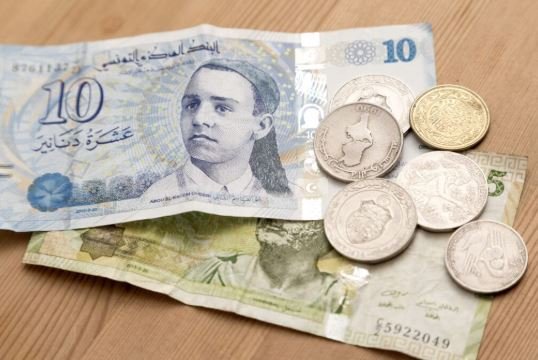
Tunisia occupies an important position in North Africa’s labour market. The country combines a sizeable public sector, export-oriented manufacturing, tourism, agriculture and a growing services economy. Yet the amount earned by an individual worker can look very different from the national average. Tunisia’s average gross salary is estimated at around TND1,200 per month, equivalent to…
-
Mali Average Salary and Minimum Wage 2026: Monthly Pay, Income Levels and Labour Market Guide

Mali’s labour market tells two very different stories. In formal workplaces, particularly in major commercial centres, employees may earn salaries supported by government pay scales, mining companies, banks, development organisations and private businesses. Across much of the country, however, livelihoods are still built around farming, livestock, petty trade and other informal activities where earnings are…
-
Nigeria’s Average Salary and Wages: Pay, Minimum Wage and Labour Market Outlook
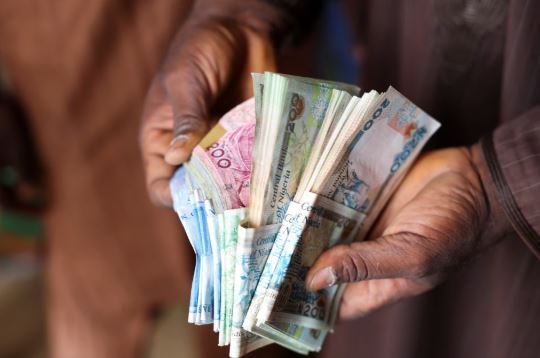
Nigeria has one of Africa’s largest and most diverse labour markets, but understanding what workers actually earn requires looking beyond a single national salary figure. Pay differs significantly between formal and informal employment, occupations, industries, states and levels of professional experience. Inflation and movements in the naira also mean that a salary that appears to…
-
Angola Average Salary and Minimum Wage: Complete Guide to Pay, Employment Costs and Labour Market Trends
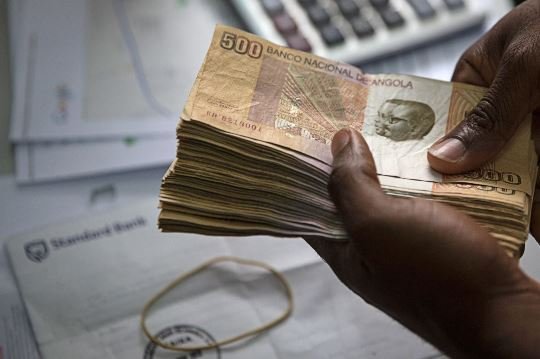
Angola’s labor market is characterised by significant variation across sectors, locations, and employment categories. As of 2026, the estimated average gross salary is approximately Kz150,000 per month, equivalent to about Kz1.8 million annually. However, this national average should be interpreted with caution because it is influenced by comparatively high earnings in sectors such as oil…
-
Ethiopia Average Salary and Minimum Wage 2026: Complete Employer Guide to Pay, Payroll and Labour Laws

Understanding Ethiopia’s Wage Environment Ethiopia’s labour market combines a rapidly changing formal economy with a very large agricultural and informal workforce. This makes national salary figures useful only when they are interpreted carefully. In 2026, estimated average gross earnings for formal-sector workers are around ETB 6,500 per month. After income tax and employee pension deductions,…
-
Minimum Wage in Senegal: A Practical Guide for Employers and Investors

Understanding Senegal’s Minimum Wage Framework Senegal’s wage system provides a statutory income floor for workers in the formal economy while giving employers a baseline for payroll planning. Different minimum wage benchmarks apply according to the nature of the work, making correct sector classification essential before setting pay, calculating overtime, or preparing contracts. For non-agricultural activities,…
-
Minimum Wage in Egypt: Employer Compliance and Workforce Cost Considerations
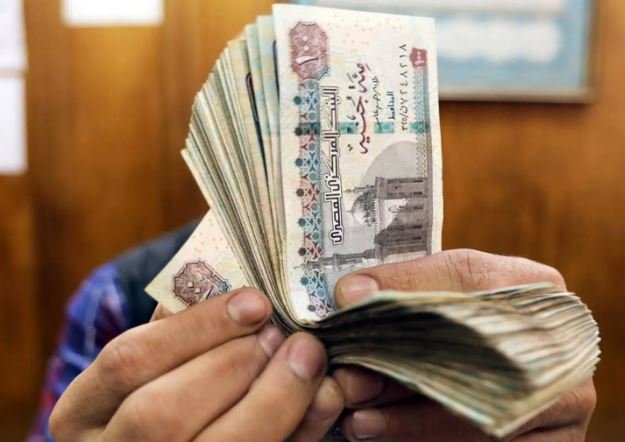
Overview of Egypt’s Minimum Wage Environment Egypt’s employment landscape has undergone significant regulatory and wage-related changes in recent years. For organisations operating in the country, or considering establishing a workforce there, understanding the statutory minimum wage is an important starting point. However, effective employment cost planning requires a broader assessment of social insurance, mandatory salary…
-
South Africa Minimum Wage 2026: Current Rates, Sector Wages, Key Changes And Employer Compliance Guide

South Africa’s National Minimum Wage (NMW) establishes the legal minimum that covered workers should receive for each ordinary hour worked. Introduced under the National Minimum Wage Act, the framework became effective on 1 January 2019 at R20.00 per hour for the general workforce. The rate is reviewed regularly, meaning employers should pay attention not only…
-
Kenya Minimum Wage 2026: Current Rates, Housing Allowance, Employer Compliance And Employee Rights

Kenya’s minimum wage framework remains an important consideration for organisations managing employees, establishing operations or assessing workforce costs in the country. Unlike jurisdictions that apply a single national minimum wage, Kenya operates a differentiated structure under which statutory wage requirements vary according to an employee’s occupation, sector and geographical location. For 2026, the wage rates…