
Latest posts
-
Withholding Tax in South Africa

South Africa’s withholding tax system mainly affects payments that cross the country’s borders. Businesses dealing with overseas shareholders, lenders, intellectual property owners and other non-resident recipients therefore need to understand when tax must be deducted before a payment is released. For payments made to South African residents, withholding tax has a relatively limited reach. Dividends…
-
Tanzania Salary and Minimum Wage Guide: Pay Rates, Overtime and Employer Compliance

Pay in Tanzania varies widely. The amount a person earns depends on the industry, type of job, location, experience and whether the work is within the formal or informal economy. Available wage estimates put the average gross salary at around TZS 650,000 per month, or about TZS 7.8 million a year. The median monthly income,…
-
Namibia Salary and Minimum Wage Guide: Average Pay, Working Hours and Employee Benefits

Did you know that there is no single salary figure that represents every worker in Namibia? Yes, earnings vary widely depending on the type of job, industry, experience, qualifications and location. Someone working for a mining company may have a very different income from an employee in retail, agriculture or domestic work. This is why…
-
Withholding Tax Guide in Nigeria: WHT Rates, Exemptions, Penalties and Compliance Rules

Withholding tax (WHT) is a common part of doing business in Nigeria. It applies when a business or individual makes certain types of payments and is required to deduct tax before paying the recipient. In simple terms, the person making the payment holds back a percentage and sends it to the relevant tax authority. The…
-
Mozambique Salary and Minimum Wage Guide: Average Pay, Labour Costs and Employment Rules
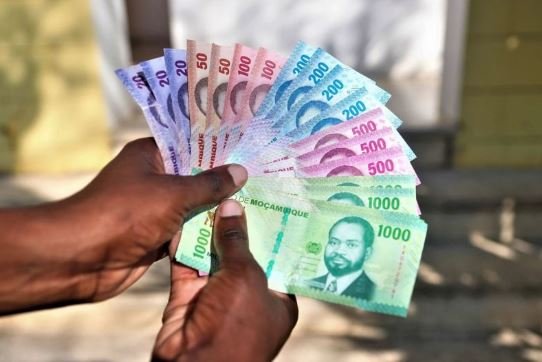
Pay levels in Mozambique vary widely. What a worker earns often depends on the industry, type of job, skills and location. This makes it difficult to describe the country’s labour market with a single salary figure. The estimated average gross salary for formal-sector employees is around MZN 18,000 per month, or MZN 216,000 a year.…
-
Rwanda Salary Guide 2026: Wages, Employee Pay, Working Hours and Compensation Strategies for Employers

Building an effective compensation structure in Rwanda requires more than identifying an average salary or referring to the country’s statutory minimum wage. Employers need to understand how pay differs across industries, occupations and skill levels, while ensuring that remuneration remains commercially sustainable and competitive enough to attract and retain capable employees. Rwanda’s labour market includes…
-
Comoros Salary Guide: Minimum Wage, Average Pay and Employer Compensation Strategy

Organizations employing people in Comoros require a compensation framework that balances statutory obligations, internal equity, workforce expectations, and the realities of the local labour market. Salary decisions should therefore extend beyond simply meeting the national minimum wage. The statutory minimum wage is CF55,000 per month, while estimated average gross monthly earnings within the formal sector…
-
SAS No. 149 Group Audit Requirements: A Complete Guide to Risk-Based Group Audits

Group audits are entering a new phase as organizations become more geographically dispersed, technologically integrated, and operationally complex. Businesses may maintain subsidiaries, branches, shared service centres, joint operations, and strategic investments across several jurisdictions, creating audit environments that cannot always be addressed effectively through traditional component-based approaches. Statement on Auditing Standards (SAS) No. 149, Special…
-
International Expansion Accounting and Audit Guide: Financial Reporting, Compliance and Risk Management for Global Businesses

International expansion can create significant commercial opportunities, but it also introduces accounting, reporting, control and compliance obligations that require disciplined preparation. Businesses entering new jurisdictions must adapt not only their operating model, but also the financial governance framework that supports decision-making, statutory compliance and audit assurance. For finance leaders, the priority should be to establish…
-
Segregation Of Duties for Growing African Businesses: A Practical Internal Control Framework For Stronger Financial Governance

Growth introduces complexity. As organisations expand into new markets, increase transaction volumes, decentralise operations or adopt digital financial systems, weaknesses in internal controls can become increasingly costly. Segregation of duties (SoD) should therefore form a core component of an organisation’s financial governance framework. Its purpose is to prevent any individual from exercising excessive control over…