
Latest posts
-
Progressive Tax: Meaning, Examples, Advantages, Disadvantages and How Tax Brackets Work

Progressive taxation is one of the most widely discussed approaches to raising government revenue because it connects a person’s tax obligation to their level of income. In practical terms, the system requires individuals with higher taxable earnings to contribute a greater proportion of those earnings than people with lower incomes. For students studying economics, accounting,…
-
Proportional Tax: How Flat Tax Systems Work, Their Benefits, Drawbacks and Economic Impact
A proportional tax system applies a single tax rate to all taxpayers within the scope of the tax, regardless of differences in income. It is commonly referred to as a flat tax because the percentage charged does not increase as earnings rise. While taxpayers with higher incomes contribute more in absolute monetary terms, the proportion…
-
Regressive Taxes: How They Work, Who They Affect, and Why They Matter
Introduction to Regressive Taxation Tax systems are designed to raise revenue for governments while distributing the cost of public services across individuals and businesses. However, not every tax affects taxpayers in the same way. One important concept students should understand is regressive taxation. A regressive tax is structured in a way that places a greater…
-
Ghana Corporate Withholding Tax Guide: Rates, Rules, and Double Tax Treaties for Businesses
Understanding withholding tax in Ghana Withholding tax is one of the core mechanisms used by Ghana’s tax system to collect income tax at the point a payment is made. Rather than requiring the recipient to pay tax later, the payer deducts a specified percentage from the payment and remits it directly to the Ghana Revenue…
-
Ghana Corporate Tax Incentives and Tax Credits: A Guide for Businesses and Investors
Ghana maintains a range of tax credits, concessions, and investment incentives aimed at supporting capital formation, strengthening priority industries, encouraging exports, and improving the country’s overall investment proposition. These measures can materially influence the cost structure and long-term returns of businesses operating in sectors such as agriculture, manufacturing, construction, mining, tourism, financial services, housing, and…
-
Consumption Tax: Meaning, Types, Economic Effects, and How It Differs From Income Tax
Understanding the Concept of Consumption Tax A consumption tax is a form of taxation applied when individuals or businesses spend money on goods and services. Unlike income tax, which is generally charged when money is earned, consumption tax is linked to expenditure. The tax base is therefore the amount spent on consumption rather than the…
-
Sin Tax: How Governments Use Higher Prices to Influence Harmful Consumption

A sin tax is a form of excise tax applied to selected goods or activities that governments consider harmful to individuals, costly to society, or associated with wider public-interest concerns. Common examples include tobacco, alcohol, gambling, vaping products, recreational cannabis where permitted by law, and in some jurisdictions, sugar-sweetened beverages. Although the term “sin tax”…
-
Excise Tax Explained: Meaning, Types, Examples, How It Works and Who Pays
Excise tax is a targeted form of taxation applied to particular goods, services, or activities. Unlike broad-based taxes that affect a wide range of transactions, excise taxes are designed to focus on selected products or sectors. Common examples include fuel, alcoholic beverages, tobacco products, airline travel, and certain specialized services. From a public finance perspective,…
-
Sales Tax: How It Works, How to Calculate It, Tax Rates, Nexus and VAT Differences
Sales tax is a consumption-based levy charged when consumers purchase taxable goods or services. Rather than being deducted directly from income, it is normally added to the selling price at the time a transaction is completed. The business receiving payment collects the tax from the customer and later sends the amount to the appropriate government…
-
Deferred Tax Assets: How to Calculate, Record and Use Future Tax Benefits
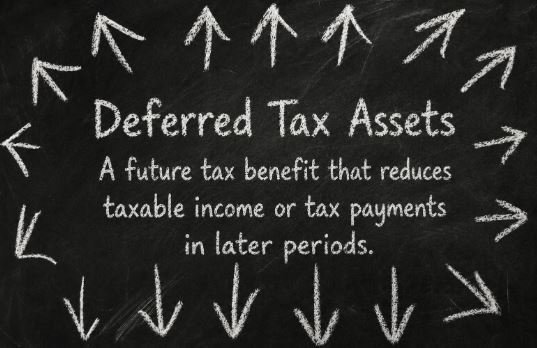
A deferred tax asset represents a future tax advantage that arises when accounting rules and tax rules recognize income, expenses, losses, or deductions at different times. Although the underlying transaction may already have affected a company’s accounts, the related tax benefit may not be available until a later reporting period. For businesses, this distinction matters…