
Latest posts
-
Tanzania’s Business Environment: Investment Opportunities, Market Risks and Business Guide

When we talk about Tanzania, we are looking at one of East Africa’s important commercial markets. The region is supported by natural resources, agriculture, a growing population and expanding industrial activity. The country’s economic story has changed considerably since the country moved away from a heavily state-controlled system. Years of relatively steady expansion helped Tanzania…
-
Tanzania Salary and Minimum Wage Guide: Pay Rates, Overtime and Employer Compliance
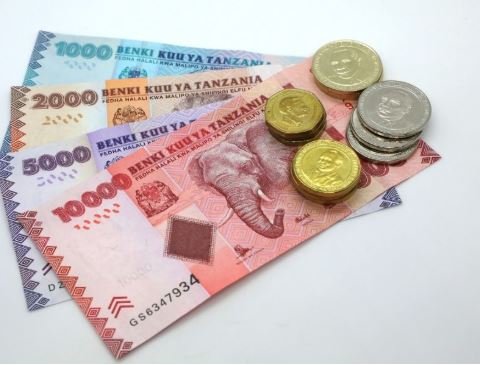
Pay in Tanzania varies widely. The amount a person earns depends on the industry, type of job, location, experience and whether the work is within the formal or informal economy. Available wage estimates put the average gross salary at around TZS 650,000 per month, or about TZS 7.8 million a year. The median monthly income,…
-
Understanding Withholding Tax in Tanzania

Withholding tax is an important part of Tanzania’s corporate tax system. Instead of waiting for the person receiving income to account for all tax later, the law requires the payer to deduct tax from certain payments and remit it to the Tanzania Revenue Authority. For businesses, this means a routine payment can create an immediate…
-
Mozambique Salary and Minimum Wage Guide: Average Pay, Labour Costs and Employment Rules
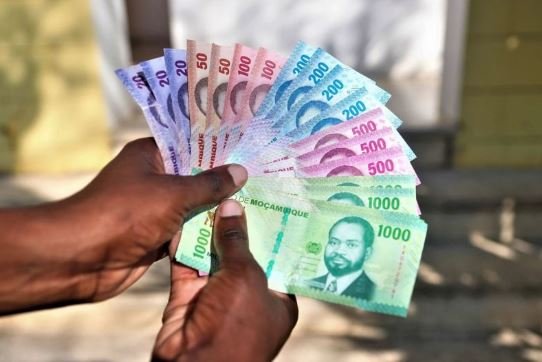
Pay levels in Mozambique vary widely. What a worker earns often depends on the industry, type of job, skills and location. This makes it difficult to describe the country’s labour market with a single salary figure. The estimated average gross salary for formal-sector employees is around MZN 18,000 per month, or MZN 216,000 a year.…
-
Mozambique Withholding Tax Guide: Corporate Rates, Tax Treaties and Compliance Rules

Mozambique applies withholding tax to various payments made to foreign businesses that earn income within the country. As a general rule, a non-resident company conducting economic activity in Mozambique without local taxpayer registration faces a final withholding tax of 20% on income regarded as Mozambican-sourced under the Corporate Income Tax framework. Certain activities benefit from…
-
Rwanda Salary Guide 2026: Wages, Employee Pay, Working Hours and Compensation Strategies for Employers

Building an effective compensation structure in Rwanda requires more than identifying an average salary or referring to the country’s statutory minimum wage. Employers need to understand how pay differs across industries, occupations and skill levels, while ensuring that remuneration remains commercially sustainable and competitive enough to attract and retain capable employees. Rwanda’s labour market includes…
-
Comoros Salary Guide: Minimum Wage, Average Pay and Employer Compensation Strategy

Organizations employing people in Comoros require a compensation framework that balances statutory obligations, internal equity, workforce expectations, and the realities of the local labour market. Salary decisions should therefore extend beyond simply meeting the national minimum wage. The statutory minimum wage is CF55,000 per month, while estimated average gross monthly earnings within the formal sector…
-
Rwanda Withholding Tax Guide: Rates, Rules, Exemptions and Tax Treaty Relief for Businesses

Withholding tax is a central feature of Rwanda’s corporate tax framework and an important compliance consideration for businesses making payments to suppliers, investors, consultants, lenders, and other counterparties. For companies operating in Kigali, Huye, Musanze, Rubavu, or across Rwanda’s growing commercial corridors, withholding tax should not be treated simply as an accounting deduction made at…
-
Kenya Minimum Wage 2026: Current Rates, Housing Allowance, Employer Compliance And Employee Rights

Kenya’s minimum wage framework remains an important consideration for organisations managing employees, establishing operations or assessing workforce costs in the country. Unlike jurisdictions that apply a single national minimum wage, Kenya operates a differentiated structure under which statutory wage requirements vary according to an employee’s occupation, sector and geographical location. For 2026, the wage rates…
-
Kenya Corporate Income Tax Guide: CIT Rates, Tax Incentives, SEP Tax and Pillar Two Rules

Kenya’s corporate income tax framework requires businesses to look beyond the headline tax rate and consider how residence, source of income, business structure, sector incentives, cross-border activities, and emerging international tax rules affect their overall tax position. Resident companies are generally subject to Kenyan corporate income tax on income that accrues in or is derived…