
Latest posts
-
How to Register a Company in South Africa: Complete Guide to CIPC Registration, Tax, Shares and Compliance

It is important that entrepreneurs realize that company registration is not simply an administrative requirement. It is one of the first strategic decisions a business owner makes because it influences ownership, taxation, liability, governance, financing, and future expansion. In South Africa, registering a company creates a formal legal identity for the business and provides a…
-
South Africa Company Name Reservation Guide: CIPC Rules, Fees, Registration and Compliance

The selection and registration of a company name is an important component of establishing or restructuring a business in South Africa. Although it may appear to be a relatively straightforward administrative process, company naming is governed by a defined statutory framework under the Companies Act 71 of 2008 and administered by the Companies and Intellectual…
-
Starting a Business in South Africa as a Foreigner: A Strategic Market Entry Guide
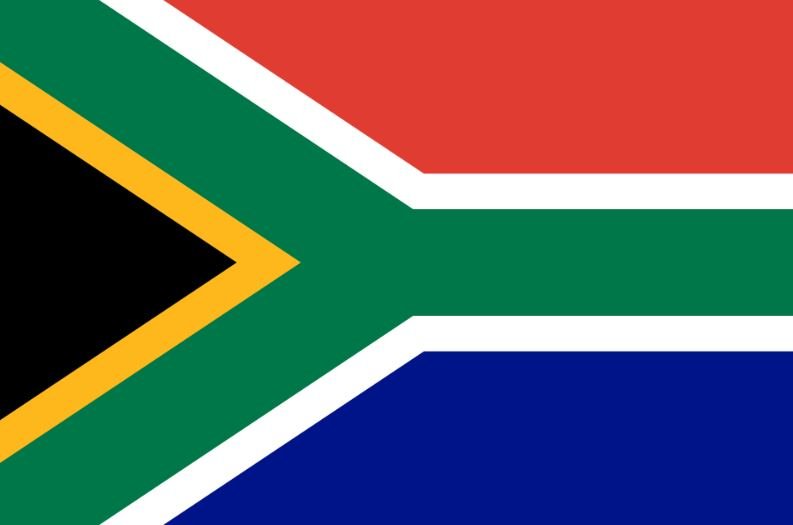
South Africa remains one of the most commercially significant markets in Africa for international companies seeking scale, regional access and sophisticated financial infrastructure. Its large consumer economy, developed banking sector, established legal institutions and position within Southern Africa make it an attractive base for foreign investors evaluating long-term expansion on the continent. However, establishing a…
-
South Africa VAT Guide: Registration Thresholds, Vendor Obligations, Refunds and Compliance Rules

South Africa’s Value-Added Tax framework is a central component of the country’s fiscal system and an important compliance consideration for businesses operating across multiple sectors. Administered by the South African Revenue Service under the Value-Added Tax Act, the regime applies a standard rate of 15% to most taxable supplies, while selected transactions qualify for zero-rating…
-
South Africa’s Business Environment, Investment Risks, and Market Opportunities

South Africa is regarded as one of the continent’s most developed and diversified economies, offering investors access to sophisticated financial markets, established industrial capacity, advanced professional services, and extensive regional trade networks. Its commercial significance extends beyond its domestic market, as the country continues to serve as an important operational and distribution hub for companies…
-
Namibia’s Business Environment, Investment Risks, and Market Opportunities

Namibia presents a comparatively stable and well-regulated investment environment within Southern Africa. The country benefits from democratic continuity, an established legal system, and a government that continues to promote foreign investment as part of its broader economic development agenda. Although the domestic market is relatively small, Namibia’s strategic Atlantic coastline, transport infrastructure, natural resources, and…
-
Lesotho Investment Opportunities: Business Environment, Market Analysis, Risks, and Growth Sectors for Investors

Let us delve into Lesotho’s investment environment, including its economic structure, commercial opportunities, regulatory conditions, and principal operating risks. Although the country has a small domestic market and faces political, climate, and institutional constraints, it offers targeted opportunities in water infrastructure, livestock, textiles, tourism, renewable energy, and export-oriented services. Investors should approach Lesotho as a…
-
Somalia’s Investment Potential Is Greater Than Its Risk Profile Suggests

At Streamline Africa, we believe Somalia should not be assessed solely through the familiar narratives of conflict, political fragility, and institutional weakness. These risks are real and must be taken seriously, but they do not provide a complete picture of the country’s commercial environment. Somalia has a highly entrepreneurial population, strong demand for essential products…
-
Africa’s Best Investment Opportunities: Streamline Africa’s Expert Guide to High-Growth Markets
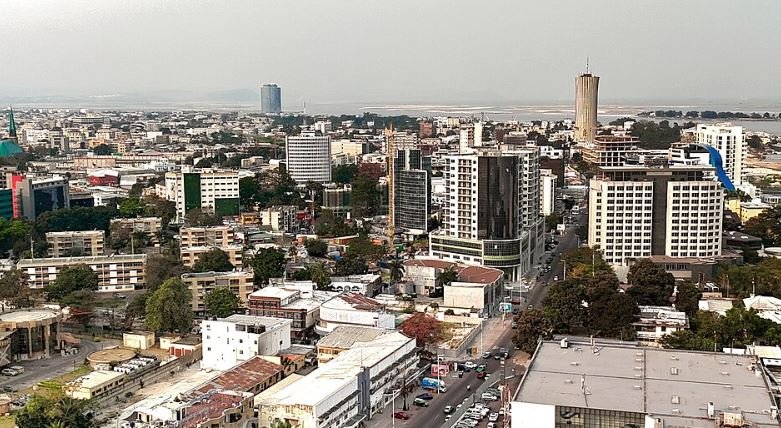
At Streamline Africa, we assess investment opportunities by looking beyond headline growth figures. Strong returns depend on market size, policy direction, infrastructure, private-sector depth, valuation discipline, and the ability of businesses to scale sustainably. Africa should not be approached as a single investment destination. Each country presents its own balance of opportunity, risk, institutional capacity.…
-
Why Eswatini’s Economy is Ideal for Foreign Investment

Eswatini is one of Africa’s smallest economies, but its commercial importance extends beyond the size of its population. The landlocked kingdom is positioned between South Africa and Mozambique, giving businesses access to regional transport corridors, established supply chains and larger consumer markets. Johannesburg is only a few hours away by road, while the ports of…